Beyond the casino floor, Las Vegas has quietly built a collection of genuinely excellent museums covering organized crime history, the golden age of neon signage, Cold War nuclear testing, and fine art - a side of the city most first-time visitors don't expect.
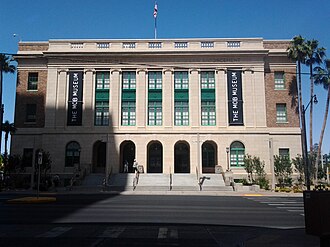
The Mob Museum
Housed in a former federal courthouse downtown, this museum traces the history of organized crime in America and its deep ties to the growth of Las Vegas. Interactive exhibits include a recreated speakeasy, forensic crime-lab demonstrations, and the actual wall from the 1929 St. Valentine's Day Massacre. A basement distillery and speakeasy-style bar add an unusually immersive, adults-oriented finish to the visit.

Neon Museum
An outdoor 'boneyard' preserving over 200 rescued vintage casino and motel signs, including pieces from the Stardust, Golden Nugget, and Sahara. Guided tours (day or the especially atmospheric night tours, when select signs are relit) explain the design history and cultural significance behind Vegas's neon golden age, before LED displays took over the Strip.
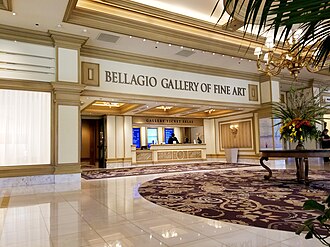
Bellagio Gallery of Fine Art
A compact but serious rotating gallery inside the Bellagio showcasing works on loan from private collections and major museums worldwide, spanning Impressionist, Modern, and Contemporary art. Exhibitions change periodically, and the intimate scale means a visit rarely takes more than an hour - an easy, air-conditioned break between casino floors.
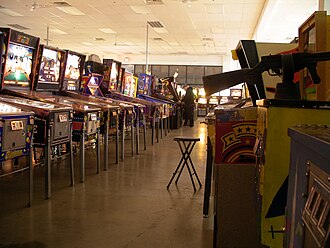
Pinball Hall of Fame
A nonprofit arcade housing one of the largest collections of playable vintage pinball and arcade machines in the country, all set to accept quarters at their original prices. Proceeds go to charity, and the sheer range - from 1950s electromechanical machines to modern licensed tables - makes it a nostalgic, low-cost break from the Strip's casino floors.
National Atomic Testing Museum
An affiliate of the Smithsonian covering the history of nuclear weapons testing at the nearby Nevada Test Site, once a major driver of the region's economy and Cold War identity. Exhibits include declassified footage, a recreated blast simulation room, and artifacts explaining how nearby atomic tests briefly became a tourist spectacle of their own in the 1950s.
Tips for Museums & Galleries
- Book Neon Museum night tours well ahead - they sell out and offer a completely different experience from daytime visits
- Combine the Mob Museum with lunch downtown - it's a short walk from Fremont Street
- Most museums are indoors and air-conditioned - a good midday escape from summer heat
- Advance online tickets save time and often money versus walk-up admission