Beyond Hanoi's city limits lie UNESCO sites, traditional villages, and natural wonders. These excursions provide context for Vietnamese history, rural life, and stunning landscapes within a few hours' drive.

Ha Long Bay
This UNESCO World Heritage Site features 1,600 limestone karst islands rising from emerald waters, creating one of the world's most spectacular seascapes. Most visitors take overnight cruises with kayaking, cave exploration, swimming, and seafood meals. Day trips possible but rushed. Highlights include Sung Sot Cave, Ti Top Island, and floating villages. While touristy and somewhat commercialized, Ha Long Bay's natural beauty remains breathtaking. Choose cruise companies carefully quality varies significantly. Expressway transfers from central Hanoi typically take approximately 2.5 hours, with extra time for traffic and pickups. Alternatively, fly to nearby Cat Bi Airport. Peak season (October-April) offers best weather but higher prices and crowds.
Ninh Binh (Tam Coc - Bich Dong)
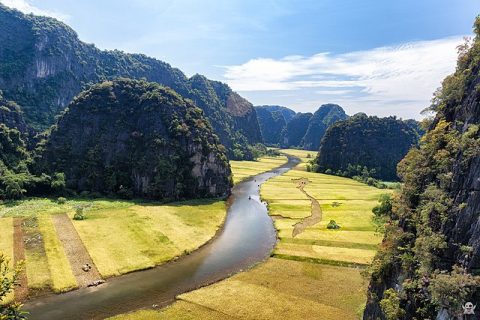
Called 'Ha Long Bay on land,' Ninh Binh province offers limestone karsts, rice paddies, and river caves 100km south of Hanoi. Tam Coc boat tours glide through three caves on the Ngo Dong River, surrounded by dramatic cliffs and seasonal rice fields. Mua Cave viewpoint requires 500-step climb but rewards with panoramic vistas. Bich Dong Pagoda perches on mountainside with ancient temples. Additional sites include Trang An grottoes (UNESCO site), Bai Dinh Pagoda (Vietnam's largest), and Hoa Lu ancient capital ruins. Less crowded than Ha Long Bay with easier accessibility. Full-day tours from Hanoi include transportation, boat rides, and lunch.

Bat Trang Ceramic Village
This 700-year-old pottery village 15km southeast of Hanoi maintains traditional ceramic production. Narrow streets lined with workshops, showrooms, and kilns produce everything from delicate porcelain to decorative tiles. Visitors watch artisans throwing pots, painting designs, and firing pieces. Many shops offer hands-on workshops where tourists create and paint their own ceramics. Prices significantly lower than Hanoi city shops excellent for souvenirs. The village combines shopping with cultural experience. Half-day trips easily arranged via taxi or tour. Weekdays show more active production than weekends. Bat Trang represents traditional Vietnamese craftsmanship surviving modernization.
Duong Lam Ancient Village
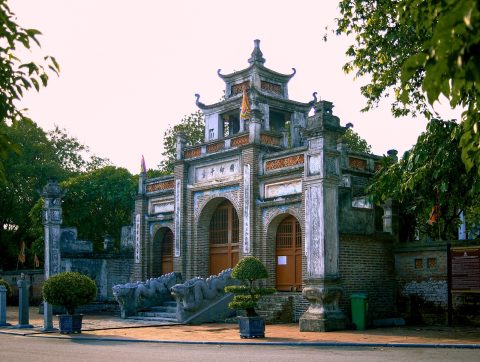
Vietnam's first National Historic Cultural Relic preserves traditional rural architecture 50km west of Hanoi. Ancient laterite brick houses with curved tile roofs line narrow lanes. Several structures date back 300-400 years, showcasing northern Vietnamese village design. The village produced two Vietnamese kings and maintains temples honoring them. Residents continue traditional lifestyles rice farming, tofu making, and craftwork. Cycling tours explore countryside between historic homes, banyan trees, and communal houses. The authentic atmosphere contrasts sharply with urbanized Hanoi. Day trips include village exploration, traditional lunch, and cultural demonstrations. Less touristy than other attractions, offering genuine rural Vietnamese experience.
Tips for Day Trips & Excursions
- Ha Long Bay: Book cruises through reputable agencies; read recent reviews carefully
- Ninh Binh Season: Visit May-June or September-October for green or golden rice paddies
- Early Starts: Most day trips require 7-8 AM departures for full experiences
- Tour vs Independent: Tours offer convenience; independent travel allows flexibility and cost savings
- Weather Preparation: Bring sun protection, comfortable shoes, and rain gear depending on season