Hanoi's temples, pagodas, and churches reflect the city's spiritual diversity. These sacred spaces offer peaceful retreats from urban chaos and showcase exquisite architecture blending Vietnamese, Chinese, and French influences.
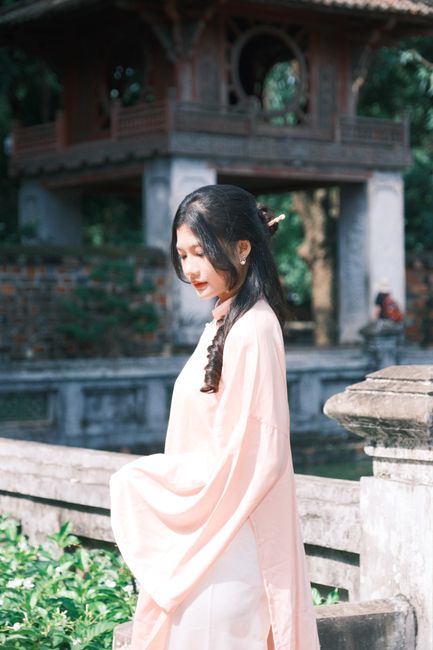
Temple of Literature (Văn Miếu)
The temple was founded in 1070; Quốc Tử Giám, Vietnam’s first national university, followed in 1076, honors Confucius and celebrates scholarly achievement. This beautifully preserved complex features five courtyards, ornate gates, pavilions, and the famous stone steles mounted on tortoise backs listing names of doctorate graduates from 1442-1779. The architecture exemplifies traditional Vietnamese design with curved roofs, red-lacquered pillars, and tranquil gardens. Often called Hanoi's most peaceful attraction, it offers respite from city chaos. Regular traditional music performances enhance the scholarly atmosphere.
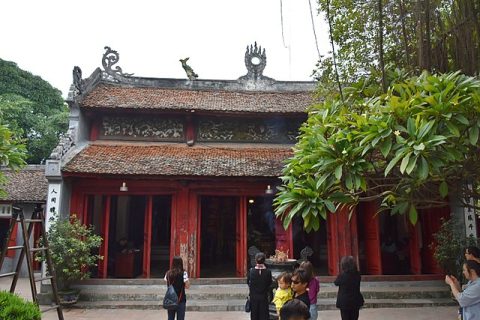
Ngọc Sơn Temple
Perched on Jade Island in Hoan Kiem Lake, this scarlet-painted temple is accessed via the iconic red Huc Bridge (The Morning Sunlight Bridge). Construction of Ngọc Sơn Temple began in autumn 1841, it honors scholar Van Xuong, military leader Tran Hung Dao, and Lã Tổ, or Lã Động Tân, is a Taoist immortal associated with medicine. The temple complex includes ornate pavilions, altar rooms, and a preserved giant turtle specimen. Early morning visits capture locals practicing tai chi nearby. The combination of lakeside location, colorful architecture, and cultural significance makes this one of Hanoi's most photographed sites.
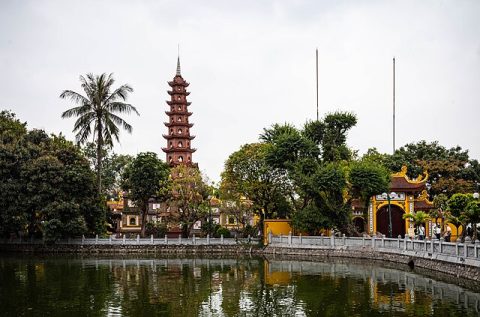
Trấn Quốc Pagoda
Hanoi's oldest Buddhist temple, dating to the 6th century, sits picturesquely on a small island in West Lake. The 11-tier stupa, built in 1998, dominates the skyline and contains Buddha relics. Ancient trees, including a sacred Bodhi tree gifted from India, shade the courtyards. The pagoda remains an active place of worship where monks chant sutras daily. Sunset visits offer spectacular views across West Lake with the red-and-gold temple reflecting in the water a photographer's dream. The peaceful atmosphere provides spiritual solace amid Hanoi's urban energy.
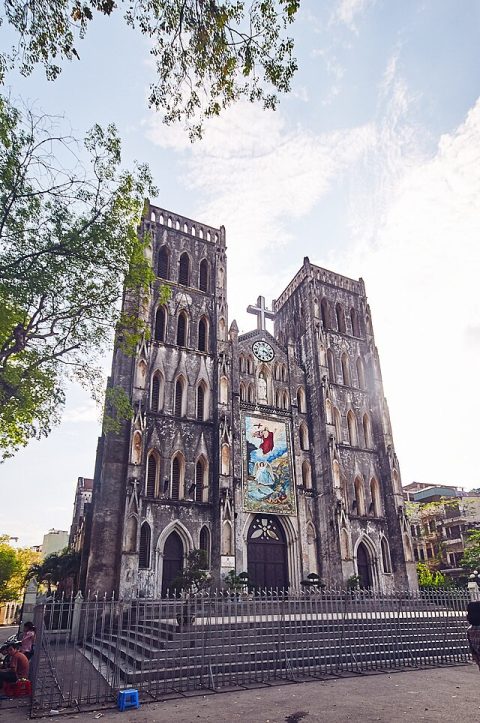
St. Joseph's Cathedral
Hanoi's neo-Gothic Catholic cathedral, built in 1886, resembles a miniature Notre-Dame de Paris with its twin bell towers and stained glass windows. The weathered grey facade adds historical character. The interior features soaring vaulted ceilings, ornate altars, and religious artwork blending European and Vietnamese styles. Daily masses are conducted in Vietnamese and Latin. The square in front has become a popular gathering spot for young Hanoi residents. Evening visits showcase beautiful illumination, while Sunday masses offer insight into Vietnam's Catholic community, established during French colonial rule.
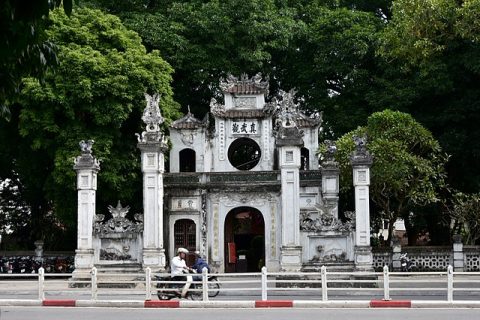
Quan Thanh Temple
Located at West Lake's southeastern shore, this 11th-century Taoist temple honors Tran Vo, guardian of the north. The main attraction is a magnificent four-ton bronze statue of the deity, cast in 1677. The temple complex features traditional Vietnamese architecture with dragon-adorned roofs, stone courtyards, and ancient bonsai trees. Intricate woodcarvings and lacquered panels decorate interior halls. Less crowded than other religious sites, Quan Thanh offers an authentic glimpse into Taoist worship practices still observed by local devotees who come to pray and burn incense.
Tips for Religious Sites
- Dress Modestly: Cover shoulders and knees; remove shoes when entering temple buildings
- Respect Worshippers: Keep voices low and avoid interrupting prayers or ceremonies
- Incense Etiquette: Purchasing and offering incense is optional but appreciated
- Photography: Ask permission before photographing monks or worshippers; avoid flash on altars
- Best Times: Early morning (6-8 AM) offers peaceful atmosphere and local spiritual practices