While Hanoi's public art scene is less developed than Western cities, distinctive sculptures, monuments, and installations punctuate the urban landscape, often carrying political or historical significance.
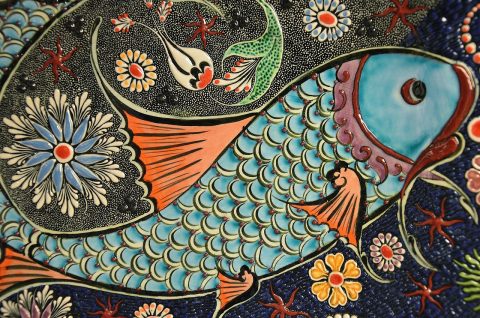
Ceramic Mosaic Mural
Recognized by Guinness World Records as the world's largest ceramic mosaic, this 4km mural along the Red River dyke celebrates Hanoi's 1000th anniversary. Created by Vietnamese and international artists, the vibrant artwork depicts historical events, cultural symbols, daily life scenes, and abstract designs. Thousands of ceramic pieces form dragons, lotus flowers, traditional costumes, and modern imagery. The mural stretches from the Long Bien Bridge area through several neighborhoods. Best viewed while cycling or taking a leisurely walk the sheer scale prevents single-viewpoint appreciation. Sections vary in artistic quality but collectively showcase community art ambition.
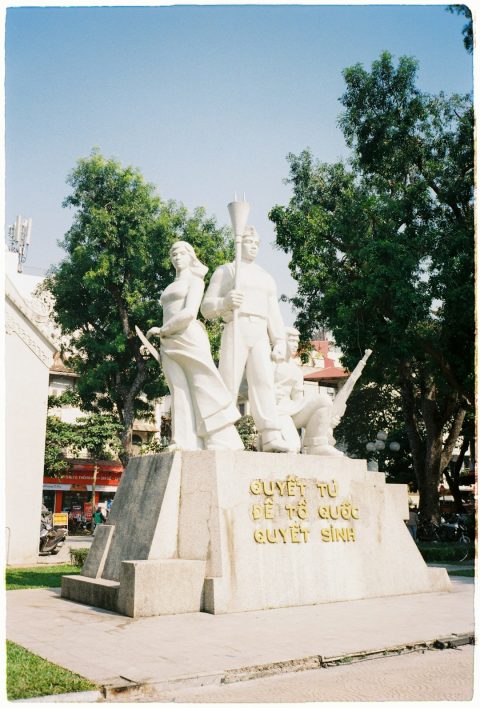
Revolutionary Statues & Monuments
Throughout Hanoi, socialist-realist sculptures commemorate revolutionary heroes, workers, soldiers, and political figures. These bronze and stone monuments reflect communist ideology and Vietnam's liberation narrative. Notable examples include the Ly Thai To statue near Hoan Kiem Lake, various Lenin statues, and worker/soldier monuments in public squares. While primarily serving political purposes, they offer insights into Vietnamese governmental values and historical interpretation. The artistic style echoes Soviet influences. Photography allowed, though these monuments generate less tourist interest than cultural or historical sites.
Tips for Fountains & Public Art
- Mural Access: Some sections easier to reach than others; research before visiting
- Photography: Best light for ceramic mural photos in late afternoon
- Bike Rental: Cycling provides ideal pace for viewing long mural sections