Navigating Hanoi requires understanding various transportation options. From motorbike taxis to new metro lines, the city offers diverse ways to explore, each providing different perspectives on urban life.
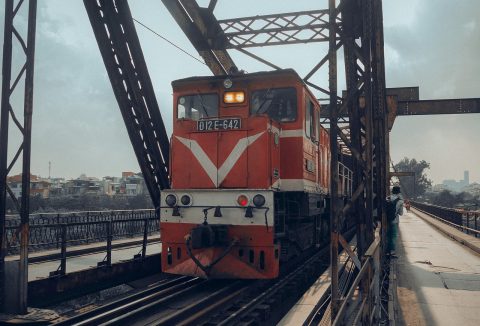
Grab / Ride-Hailing Apps
Grab (Southeast Asia's Uber) dominates Hanoi's ride-hailing market, offering transparent pricing and cashless payments. Options include GrabBike (motorbike), GrabCar (sedan), and GrabCar 7-seater. Download the app, add payment method, and request rides easily. Motorbike rides cost 15,000-40,000 VND for short trips; cars start around 40,000 VND. Drivers speak limited English but GPS handles navigation. The app shows estimated fares before booking, eliminating negotiation stress. Essential for visitors uncomfortable bargaining with traditional taxi drivers. Helmets provided for motorbike rides Vietnam's most efficient traffic navigation method.
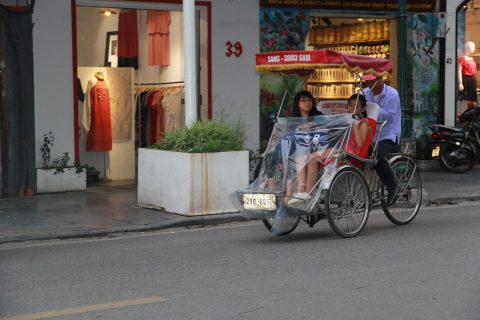
Cyclo Tours
Traditional three-wheeled bicycle taxis offer nostalgic, slow-paced exploration of the Old Quarter and French Quarter. Passengers sit in front while drivers pedal from behind, providing unobstructed views for photography. Cyclos navigate narrow streets cars cannot access, revealing hidden corners. Tours typically last 1-2 hours and require price negotiation beforehand (expect 100,000-200,000 VND per hour). While touristy, cyclos capture old Hanoi atmosphere and support elderly drivers preserving this traditional occupation. Best for short, scenic routes rather than efficient transport embrace the leisurely pace as part of the experience.
Hanoi Metro (Line 2A)
Vietnam's first urban metro line, opened in 2021, connects Cat Linh to Yen Nghia (12 stations, 13km). The elevated Chinese-built system offers air-conditioned comfort and city views during the 24-minute journey. Stations feature modern design with ticket machines, security screening, and English signage. Line 2A single journeys cost 9,000–19,000 VND in cash, or 8,595–18,625 VND electronically, under fares introduced August 2025. While not covering major tourist areas yet, the metro provides insight into Hanoi's infrastructure development and local commuting patterns. Additional lines under construction will eventually create comprehensive network. The experience contrasts sharply with street-level traffic chaos.
Tips for Transportation
- Traffic Safety: Always wear helmets on motorbikes; hold bags securely
- Cash Backup: Carry small bills for situations where apps don't work
- Cyclo Negotiation: Agree on price and route before departing; write it down if needed
- Rush Hours: Avoid travel 7-9 AM and 5-7 PM when traffic peaks
- Airport Transfer: Grab or pre-booked transfers more reliable than airport taxis