While Tirana is relatively young (founded 1614), the surrounding area contains Illyrian, Roman, and Ottoman archaeological sites. These remnants connect modern Albania to its ancient Mediterranean heritage.
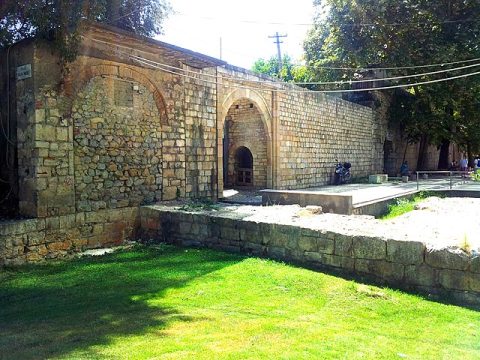
Tirana Castle (Kalaja e Tiranës)
The remnants of a Byzantine fortification dating to before 1300 AD, now integrated into Tirana's old town. The castle walls and towers have been partially restored and house restaurants, hotels, and boutiques. Archaeological excavations continue to uncover layers of history. The site represents Tirana's pre-Ottoman origins. Walking the perimeter offers glimpses of ancient stonework amid modern development. It's atmospheric at night when the restaurants create a lively ambiance.
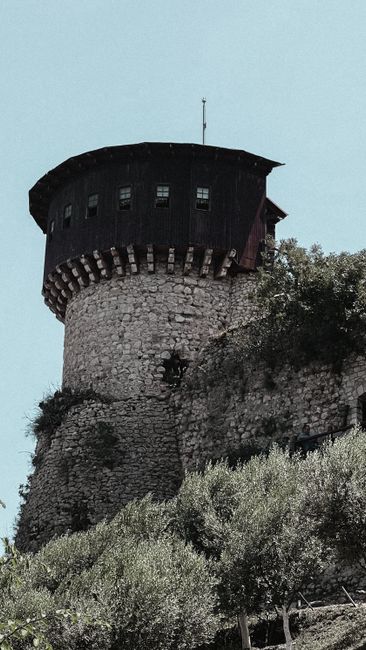
Petrela Castle
Located 15km from Tirana, this 5th-century castle was rebuilt during the Byzantine and Ottoman periods. Perched on a rocky hilltop, it offers spectacular views over the Erzen valley. The castle played a role in Skanderbeg's resistance against the Ottomans. Partially restored, visitors can climb the towers and explore the grounds. A restaurant inside the castle serves traditional Albanian cuisine. The drive through scenic countryside makes for an excellent half-day excursion.
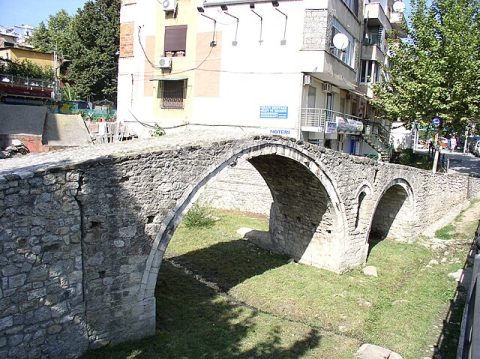
Tanners' Bridge (Ura e Tabakëve)
An 18th-century Ottoman stone bridge that once spanned the Lanë River, now mostly buried underground. The bridge connected tannery workshops, giving it its name. Excavated portions reveal elegant arch construction typical of Ottoman engineering. It's a tangible link to Tirana's artisan past. The bridge is located near the castle walls, partially visible from street level. Plans exist to further expose and restore the structure.
Tips for Ancient & Historical Sites
- Combine visits: The castle area and Tanners' Bridge are within walking distance
- Petrela Castle requires a car or taxi negotiate return transportation in advance
- Best for photos: Late afternoon light enhances the ancient stonework
- Limited signage at some sites; consider hiring a guide for historical context