After decades of state-imposed atheism, Tirana's religious sites symbolize Albania's remarkable interfaith harmony. Muslim, Orthodox, Catholic, and Bektashi communities coexist peacefully, with mosques and churches often standing side by side.
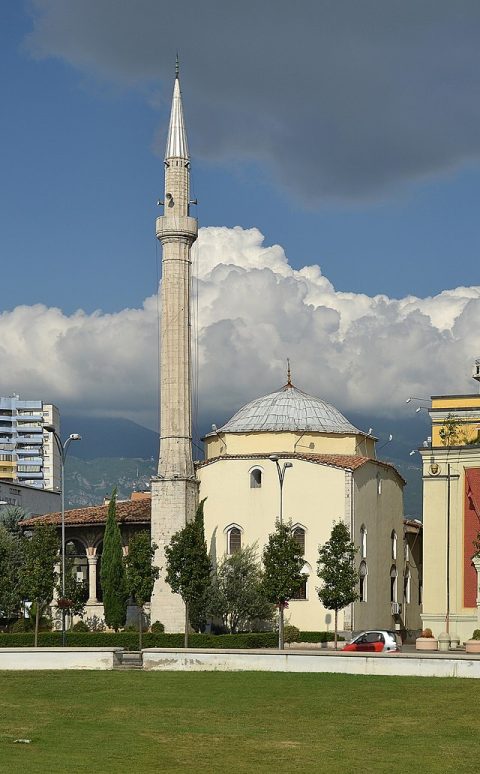
Et'hem Bey Mosque
Built between 1789-1823, this exquisite mosque survived communism by being declared a cultural monument. Its interior features rare figurative frescoes depicting trees, waterfalls, and bridges unusual in Islamic architecture. The mosque reopened in 1991 with 10,000 attendees, marking the end of religious prohibition. Located on Skanderbeg Square, its elegant minaret and decorated portico make it Tirana's most beautiful Ottoman structure. Visitors are welcome outside prayer times.
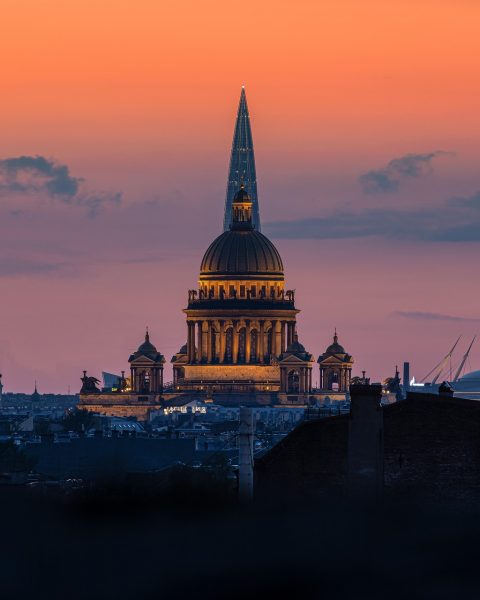
Resurrection of Christ Orthodox Cathedral
Consecrated in 2012, this monumental cathedral is one of Eastern Europe's largest Orthodox churches. The impressive golden dome rises 46 meters, visible across Tirana. Interior features stunning Byzantine-style frescoes and iconography. The cathedral symbolizes the revival of Orthodox Christianity after communist suppression. Its location on Mother Teresa Square creates a modern spiritual center. The bell tower contains 16 bells cast in Austria.
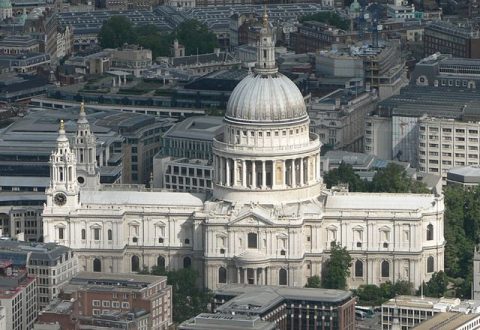
St. Paul's Cathedral
The Catholic cathedral of Tirana, completed in 2002, honors Saint Paul and was consecrated by Pope John Paul II. The modern design features a distinctive bell tower and minimalist interior emphasizing light and space. The cathedral serves Albania's Catholic minority, concentrated in the north. Mother Teresa, Albania's most famous Catholic, is commemorated inside. The peaceful grounds offer respite from the busy city center.
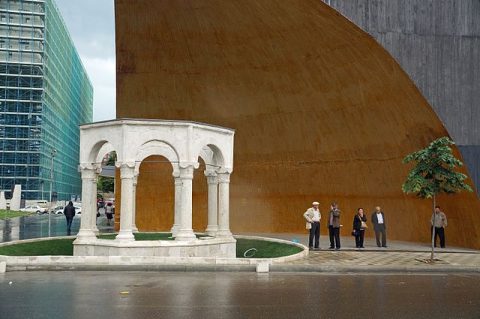
Kapllan Pasha Tomb
This 18th-century türbe (mausoleum) is a rare surviving example of Ottoman funerary architecture in Tirana. Built in 1819 for Kapllan Pasha, it features an octagonal design with a domed roof and intricate stonework. The tomb stands as a reminder of Tirana's Ottoman heritage, predating most surviving structures. Though small, it's architecturally significant. Located near the Tanners' Bridge, it's part of the old Ottoman quarter.
Tips for Religious Sites
- Dress modestly when visiting religious sites covered shoulders and knees
- Remove shoes before entering mosques; scarves available for women
- Avoid visiting during prayer times (especially Friday afternoons for mosques)
- Most sites welcome visitors and photography, but ask permission first
- Tirana's interfaith harmony is unique you'll find mosques and churches within meters of each other