Tirana's landmarks tell the story of a nation's resilience and transformation. From communist-era monuments to Ottoman architecture, these sites capture Albania's complex history and vibrant present.
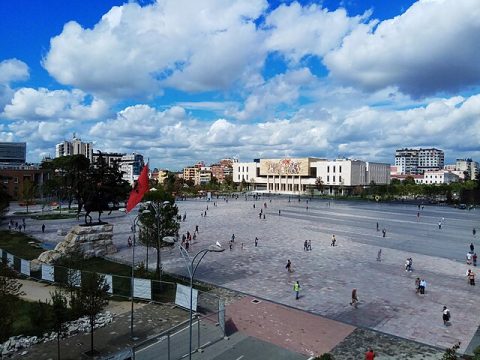
Skanderbeg Square
The heart of Tirana, this vast pedestrian square honors Albania's national hero, Gjergj Kastrioti Skanderbeg. Redesigned in 2017, the plaza features colorful paving, fountains, and is surrounded by key landmarks including the National History Museum, Et'hem Bey Mosque, and the Opera House. The equestrian statue of Skanderbeg commands the center, symbolizing Albanian independence and pride.

Pyramid of Tirana
Originally built as a museum to honor dictator Enver Hoxha, this brutalist pyramid has become an iconic symbol of Albania's communist past. Though controversial, it's been transformed into a cultural venue and tech hub. Visitors often climb its sloped sides for panoramic city views. The structure represents Tirana's approach to its complex history acknowledging rather than erasing.
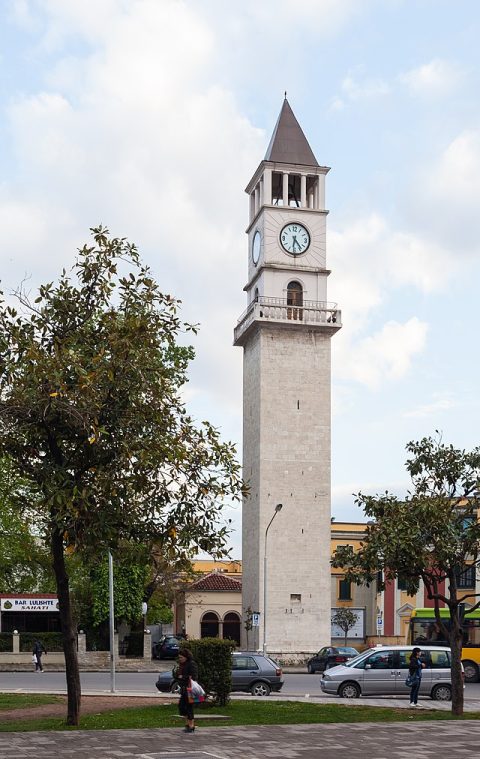
Clock Tower of Tirana
Built in 1822 during Ottoman rule, this 35-meter tower is one of Tirana's oldest structures. The Venetian-style clock was added later, and visitors can climb the 90 steps for excellent views over Skanderbeg Square. The tower has survived earthquakes and wars, standing as a testament to the city's endurance. It's particularly photogenic at sunset when the golden light illuminates its stone facade.

Mother Teresa Square
Named after Albania's Nobel Prize-winning humanitarian, this modern square features the Resurrection of Christ Orthodox Cathedral, completed in 2012. The area represents religious freedom after decades of state atheism. The contemporary design contrasts beautifully with surrounding Ottoman and Italian-era buildings. The cathedral's golden dome is visible throughout the city, symbolizing Albania's spiritual renewal.
Tips for Landmarks & Monuments
- Best time to visit: Early morning or evening for fewer crowds and better lighting for photos
- Photography: Skanderbeg Square looks stunning at sunset when buildings are illuminated
- Free walking tours depart from Skanderbeg Square daily great introduction to the city
- Skanderbeg Square is pedestrianized; nearby streets and the wider central area are not all pedestrian-only., making it perfect for leisurely exploration