Tirana's museums offer deep dives into Albanian history, art, and culture. From ancient Illyrian artifacts to contemporary installations, these spaces illuminate the nation's journey from antiquity through communism to independence.
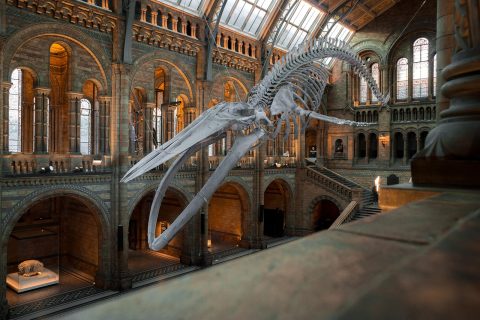
National History Museum
Albania's largest museum dominates Skanderbeg Square with its distinctive socialist-realist mosaic facade. The museum closed to the public on 15 March 2024 for renovation; check for a reopening announcement before planning a visit. Illyrian civilization, medieval Albania, Ottoman rule, independence, and communism. TheIconography section houses stunning religious art, while the Communist Terror exhibit provides sobering insight into Hoxha's regime. The Mother Albania mosaic on the exterior is an iconic photo opportunity.
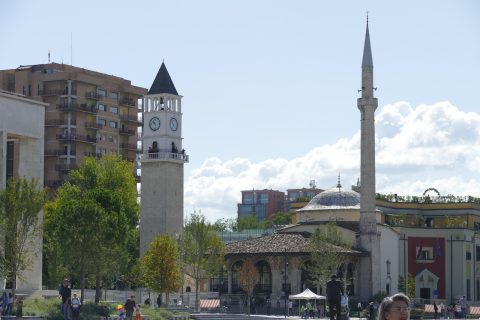
Bunk'Art 1
This extraordinary museum occupies a massive Cold War bunker built for Albania's communist elite. Five floors underground feature exhibits on totalitarian surveillance, political persecution, and daily life under Hoxha. Contemporary art installations throughout create powerful juxtapositions. The five-storey bunker has 106 rooms and a congress hall; it was inaugurated in June 1978. It's a haunting, unmissable experience located on the outskirts near Mount Dajti.
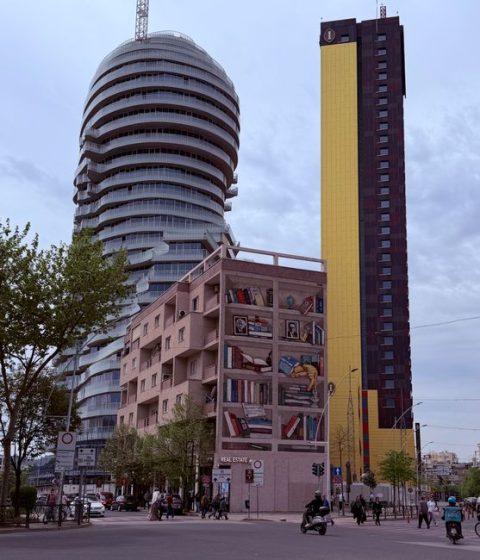
Bunk'Art 2
Located in central Tirana near the Ministry of Internal Affairs, this second bunker museum focuses specifically on Albania's secret police (Sigurimi) and political persecution. The underground facility features prison cells, interrogation rooms, and exhibits detailing surveillance methods. More accessible than Bunk'Art 1, it offers a chilling look at how the communist regime maintained control through fear. Multimedia displays include victim testimonies.
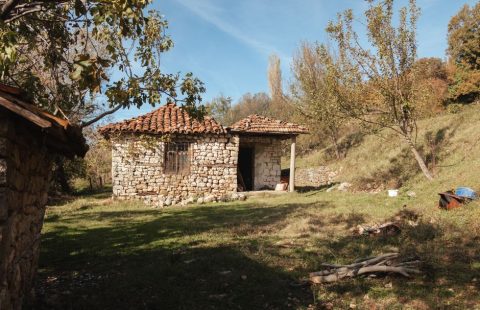
House of Leaves Museum
The former headquarters of the Sigurimi secret police, this museum exposes Albania's surveillance state. Exhibits include listening devices, hidden cameras, interrogation techniques, and files on citizens monitored by the regime. The building's name comes from decorative leaves on its facade. Personal stories of victims add emotional weight. It's a powerful testament to the price of dictatorship and the value of freedom.
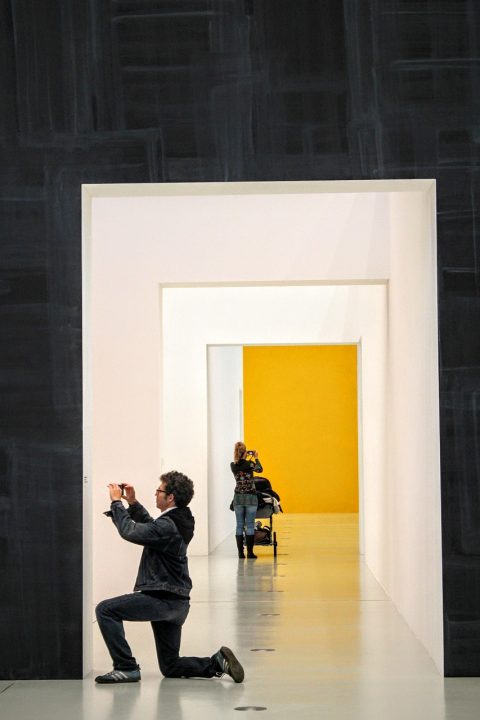
National Gallery of Arts
Albania's premier art museum showcases Albanian painting and sculpture from the 19th century to contemporary works. The collection includes socialist realism from the communist era, traditional landscapes, and modern installations. The gallery provides context for understanding Albanian cultural identity through visual arts. Recent renovations have modernized the space while preserving its historical character. Temporary exhibitions feature international artists.
Tips for Museums & Galleries
- Museum combo: Visit both Bunk'Art locations for complete understanding of communist Albania
- Many museums offer guided tours in English highly recommended for historical context
- Photography is generally allowed but check specific rules at each venue
- Plan for emotional impact communist-era museums can be intense experiences
- Opening days vary: the National History Museum is closed Mondays, while Bunk’Art 1 and 2 publish daily opening hours. Check each museum’s current schedule.; verify hours before visiting