Beyond the marble quarries and headline beaches, Thassos hides a quieter layer of ruins, waterfalls, coves, and old-world crafts that most day-trippers never find. These spots reward travelers willing to take a dirt track, ask a local, or simply wander past the last taverna.
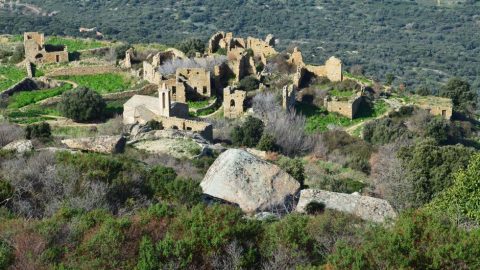
Kastro – Thassos's Abandoned Medieval Hilltop Village
Perched high above Theologos, Kastro was the island's fortified capital for centuries before Theologos took over that role. Today it is a genuine ghost village: crumbling stone houses, a ruined church, and overgrown lanes reclaimed by pine and scrub, reachable only via a rough forest track or a steep hiking path. Almost no signage exists and tour buses cannot reach it, so on most days you will have the ruins entirely to yourself.
The panoramic views over the southern coastline and the sense of a settlement frozen in time make the effort worthwhile. Wear sturdy shoes, bring water, and expect no facilities whatsoever. Locals in Theologos can point out the correct trailhead, since the route is easy to miss.
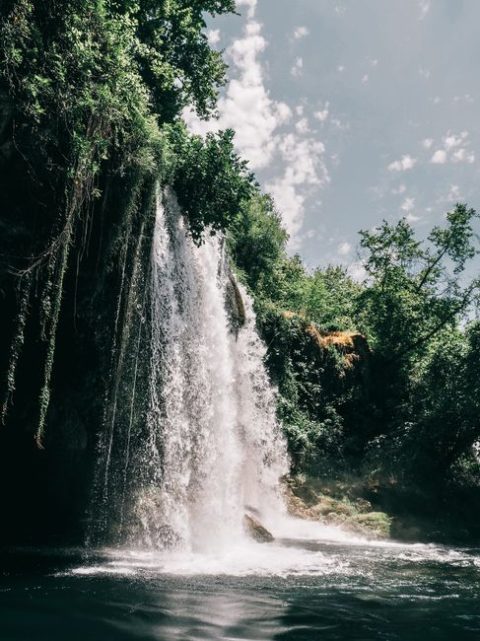
Livadero Waterfall near Kinira
Tucked into a shaded ravine inland from the eastern coastal village of Kinira, this modest but scenic waterfall is fed by mountain streams and framed by plane trees and ferns. Few visitors venture beyond the beach road here, so the short walk up the gorge usually stays peaceful even in high season. A natural rock pool at the base offers a cold, refreshing dip after the hike.
The path can be uneven and is best attempted in spring or early summer when water flow is strongest; by late August the stream often thins considerably. There are no signs from the main road, so asking at a Kinira taverna for directions is the reliable approach. Bring water shoes for the slippery rocks around the pool.
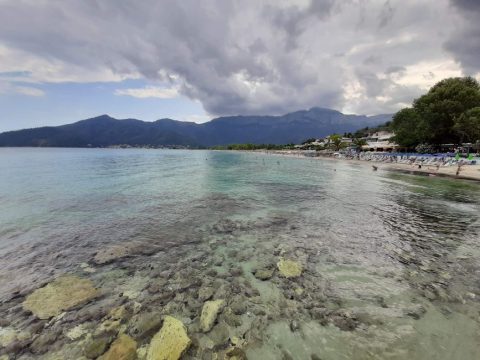
Vathi Bay
On the sparsely developed southeastern coast, Vathi is a deep, narrow cove backed by dense pine forest and accessible mainly by a bumpy dirt road or by small boat from nearby Astris. Unlike the island's famous marble-sand beaches, Vathi has coarser sand and pebbles, calm turquoise water, and virtually no beach bars or sunbeds, just a single seasonal taverna.
The isolation is the draw: swimmers and campers who make the trip are rewarded with a genuinely quiet shoreline even in July and August. Shade from the surrounding pines makes it comfortable through midday, and the lack of infrastructure means it stays that way. Come prepared with your own supplies, since options nearby are minimal.
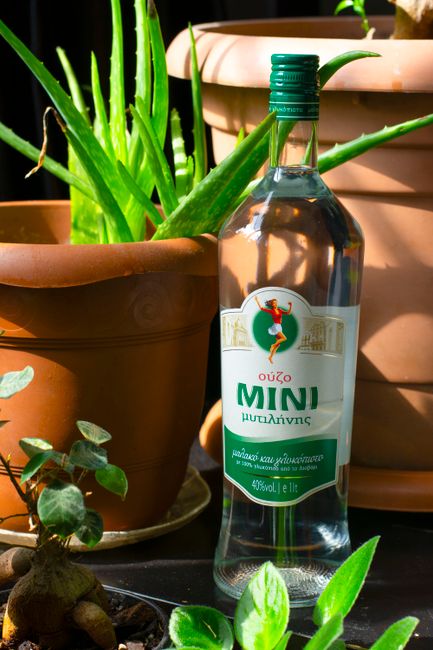
Traditional Tsipouro and Ouzo Distilleries
In the backstreets of inland villages, small family-run stills quietly produce tsipouro and ouzo using recipes passed down for generations, often from grapes and herbs grown on the same property. These are working distilleries rather than tourist attractions, so visits happen informally: a knock on the door, a chat with the owner, and if the timing is right, a taste straight from the still during the autumn distillation season.
There is no formal tasting room or booking system, which is exactly the appeal for travelers seeking an unscripted encounter with island life. Pair a visit with mezedes at a nearby village kafenio for the full experience. Autumn, when the grape harvest is distilled, is the most rewarding time to stumble upon one in action.
Tips for Hidden Gems
- Rent a sturdy scooter or 4x4 rather than a small car for reaching Kastro and Vathi, as the access tracks are unpaved and rutted.
- Carry cash and your own water and snacks, since none of these spots have shops or ATMs nearby.
- Ask locals in Theologos, Kinira, or Astris for current directions, as these sites are rarely signposted.
- Visit in shoulder season (May-June or September) for cooler hiking conditions and fuller waterfall flow.