Delhi's neighbourhoods are worlds unto themselves — each with its own culinary identity, social texture, and architectural era. Understanding the city means moving beyond its monuments and into its mohallas and urban villages.
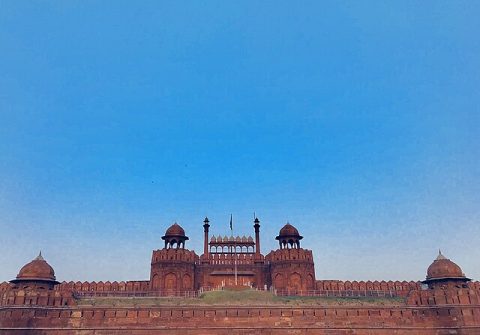
Old Delhi (Shahjahanabad)
Old Delhi is Mughal Delhi — built by Shah Jahan in the 17th century, it retains its original street grid of narrow lanes, havelis, and bazaars. Dominated by the Red Fort and Jama Masjid, the neighbourhood is a living heritage site where craftsmen still ply unchanged trades: kite-makers in Ballimaran, attar perfumers near Jama Masjid, halwais on every corner. The evening call to prayer echoing over the rooftops is an unforgettable sound.
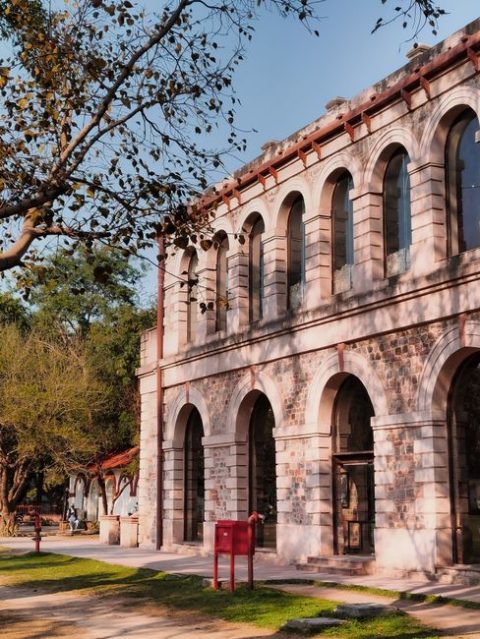
Hauz Khas Village
Built around a 14th-century Sultanate water reservoir and madrasa, Hauz Khas Village has evolved into Delhi's most fashionable urban village — a juxtaposition of medieval ruins and contemporary boutiques, rooftop bars, and art galleries. The ruins of the madrasa and Feroz Shah's tomb overlooking the lake are atmospheric at dusk. The adjacent deer park provides a green lung for the surrounding suburbs and is excellent for birdwatching in the cooler months.
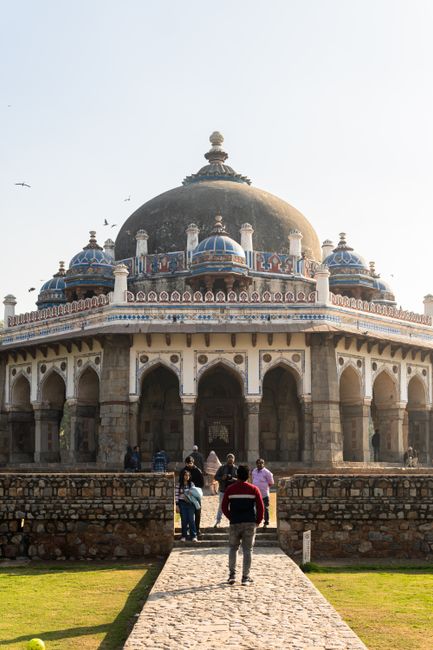
Nizamuddin
The neighbourhood of Nizamuddin clusters around the dargah of the 14th-century Sufi saint Hazrat Nizamuddin Auliya, creating one of South Asia's most spiritually charged urban environments. Treat qawwali schedules as subject to change and confirm locally. The neighbourhood also holds the tomb of Mughal court poet Amir Khusro and lies adjacent to Humayun's Tomb and Lodi Garden.
Tips for Neighborhoods & Districts
- Old Delhi is best explored before 10 am before heat and crowds intensify — pair with early breakfast at Paranthe Wali Gali.
- Thursday qawwali at Nizamuddin dargah begins around 6 pm — arrive 30 minutes early for space near the shrine.
- Hauz Khas Village restaurants are excellent for dinner with views over the medieval reservoir lit up at night.