Delhi is a city of many faiths — its skyline punctuated by mosque minarets, temple shikhars, Sikh gurudwaras, and Jain derasars. Visiting its religious sites is one of the most profound ways to understand the city's multicultural soul.
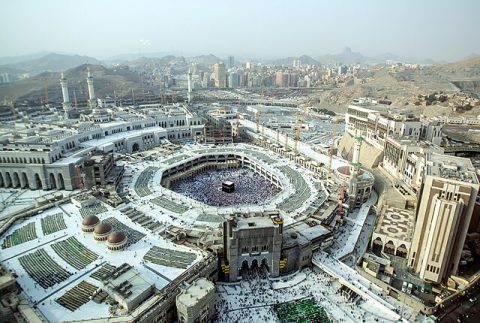
Jama Masjid
Built by Shah Jahan between 1644 and 1656, Jama Masjid is India's largest mosque, capable of holding 25,000 worshippers. Its three imposing gateways, two 40-metre minarets, and vast courtyard of red sandstone and white marble are breathtaking. Delhi Tourism identifies the north minaret as the one visitors can climb. Relics of the Prophet Muhammad are kept in a chamber inside. Non-Muslims are welcome outside prayer times.
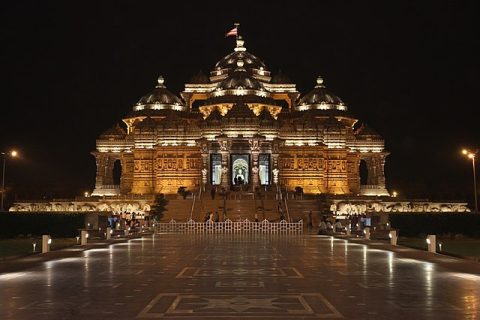
Akshardham Temple
Completed in 2005 and a Guinness World Record holder for the world's largest comprehensive Hindu temple, Akshardham is a vision in pink Rajasthani sandstone and white Italian marble. The central monument — carved with 234 pillars, 9 domes, and 20,000 statues — took 11,000 artisans five years to complete. The complex features a boat ride through Indian history and a spectacular musical fountain show at dusk. Cameras and phones are prohibited inside the complex and must be left in the free cloakroom.
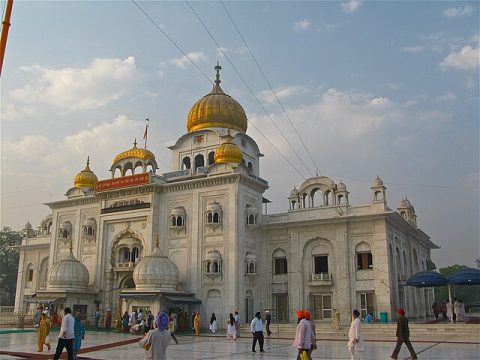
Gurudwara Bangla Sahib
Gurudwara Bangla Sahib is Delhi's most prominent Sikh shrine, built on the site where the eighth Sikh Guru, Har Krishan, stayed in 1664 and aided smallpox victims. Its gilded dome gleams above Connaught Place and the sacred sarovar (pool) is believed to have healing properties. The langar kitchen serves free meals to up to 10,000 people daily — a profound demonstration of Sikh selfless service. All faiths are welcome; head covering required.
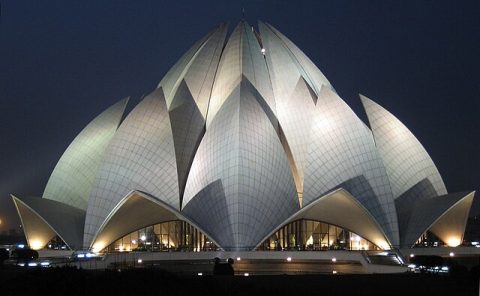
Lotus Temple (Bahá'í House of Worship)
Designed by Fariborz Sahba and completed in 1986, the Lotus Temple is one of the world's most photographed buildings. Its 27 free-standing marble petals unfurl around a central prayer hall seating 2,500 people. Open to all religions with no sermons or rituals, it stands as a monument to the Bahá'í principle of unity. The surrounding gardens and reflecting pools make it one of Delhi's most serene escapes, particularly beautiful at golden hour.
Tips for Religious Sites
- Dress modestly at all religious sites — shoulders and knees covered; remove shoes at temples, gurudwaras, and mosques.
- Photography is restricted inside Akshardham — all cameras and phones must be deposited at the entrance.
- Visit Jama Masjid early morning for atmospheric light; avoid Friday midday prayer times unless you plan to observe.
- The gurudwara is open 24/7, but the source does not establish that langar is served around the clock; check locally for meal service. — experiencing the free community meal is one of Delhi's unmissable activities.