Mumbai's ancient heritage extends back over 2,000 years, with rock-cut Buddhist caves, colonial-era forts, and archaeological sites that predate the modern city. These historical treasures offer glimpses into the region's Buddhist past and maritime history.
Elephanta Caves
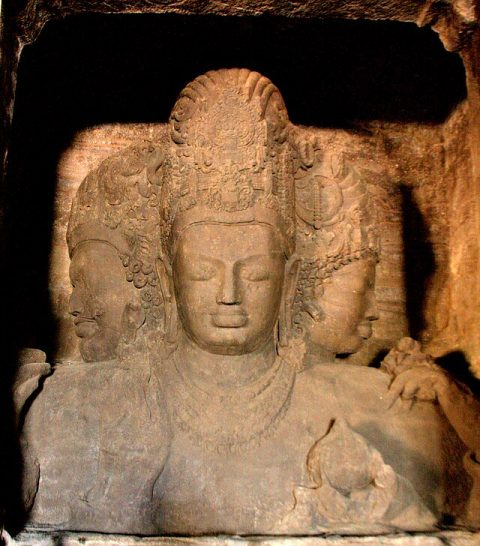
This UNESCO World Heritage Site comprises magnificent rock-cut cave temples on Elephanta Island, just a 1-hour ferry ride from the Gateway of India. Dating from the 5th to 8th centuries, the caves contain some of India's most exquisite rock sculptures dedicated to Lord Shiva. The main cave features the iconic 20-foot Trimurti (three-faced Shiva) sculpture representing the creator, preserver, and destroyer aspects of the deity. Other remarkable carvings depict Shiva as Nataraja (cosmic dancer), Ardhanarishvara (half-male, half-female form), and various mythological scenes. The intricate details showcase exceptional ancient Indian artistry and religious devotion. After exploring the caves via a steep climb of 120 steps from the jetty, visitors can enjoy the island's natural beauty and panoramic harbor views. The site includes both Hindu and Buddhist sections. Guides available at the island provide rich historical context. The ferry journey itself offers stunning views of Mumbai's skyline and the Arabian Sea.
Kanheri Caves
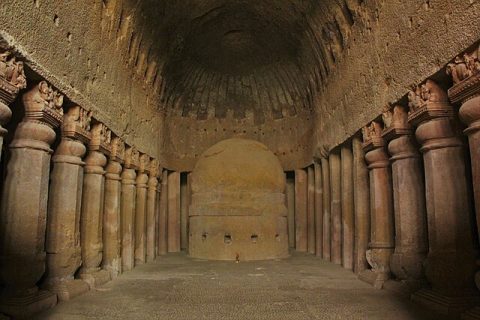
Located within Sanjay Gandhi National Park in Borivali, these ancient Buddhist caves date from the 1st century BC to the 10th century AD. The complex comprises 109 rock-cut caves that once served as a Buddhist settlement, including viharas (monasteries), chaityas (prayer halls), and stupas. The caves feature intricate sculptures, inscriptions in Brahmi and Devanagari scripts, and beautiful rock-cut pillars. Cave 3 houses an impressive 7-meter Buddha statue, while Cave 1 contains a magnificent prayer hall with detailed carvings. The site offers insights into ancient Buddhist monastic life, meditation practices, and the evolution of Buddhist art over centuries. Unlike Elephanta, Kanheri provides a more extensive complex spread across the hillside with varying cave sizes and purposes. The peaceful forest setting enhances the spiritual atmosphere. Visitors can explore meditation cells, water cisterns, and remnants of the monastery's sophisticated rainwater harvesting system. The caves demonstrate remarkable engineering and artistic achievement.
Mahakali Caves
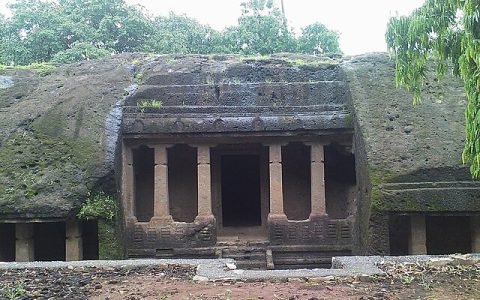
These lesser-known but fascinating Buddhist rock-cut monuments in Andheri East date from the 1st to 6th century AD. The complex contains 19 caves carved into basalt rock, including prayer halls and monastic cells. Though smaller and less ornate than Elephanta or Kanheri, these caves offer an intimate glimpse into ancient Buddhist life without the crowds. Notable features include Buddha statues in various mudras (hand gestures), stupas, and simple rock-cut architecture. The caves demonstrate early Buddhist influence in the Mumbai region. The site is relatively quiet and provides a peaceful atmosphere for contemplation. Inscriptions found here have helped archaeologists understand the timeline of Buddhist settlements in Maharashtra. The caves are well-maintained by the Archaeological Survey of India. Being located in the city makes them easily accessible for history enthusiasts wanting to explore Mumbai's ancient past without traveling to remote locations. The surrounding area has been developed into a small park.
Tips for Ancient & Historical Sites
- Elephanta Ferry: Ferries run from 9 AM to 3:30 PM; return by 5:30 PM. Book tickets at Gateway of India; arrive early on weekends
- Cave Climb: Wear comfortable shoes for the steep climb to caves; avoid monsoon season when paths become slippery
- Guides: Hiring a local guide at Elephanta Caves enriches the experience with historical and mythological context
- Combined Visits: Kanheri Caves can be combined with Sanjay Gandhi National Park safari for a full-day nature and history tour
- Best Season: Visit October to March when weather is pleasant and caves are easily accessible