Mumbai's diverse religious landscape reflects the city's pluralistic character, where Hindu temples, Islamic dargahs, Christian churches, and Buddhist viharas coexist harmoniously. These sacred spaces serve as active places of worship while welcoming visitors to experience India's spiritual traditions and architectural beauty.
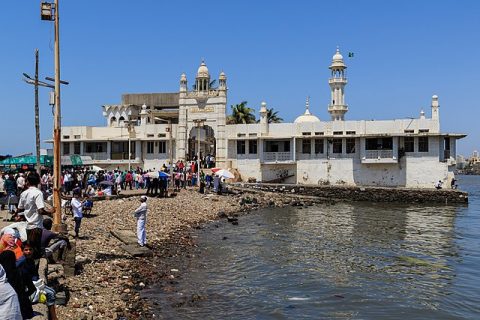
Haji Ali Dargah
This stunning white marble mausoleum and mosque sits on an islet 500 meters off the Worli coast, connected to the mainland by a narrow causeway that becomes submerged during high tide. Built in 1431, it enshrines the tomb of the Muslim Sufi saint Haji Ali Shah Bukhari, a wealthy merchant who renounced worldly possessions. The monument showcases exquisite Indo-Islamic architecture with its 85-foot minaret and onion-shaped dome. The marble used is said to be similar to that of the Taj Mahal. Accessible only during low tide when the causeway is walkable, the approach features vendors selling flowers, incense, and offerings. The dargah receives over 40,000 pilgrims weekly from all faiths who seek blessings and spiritual solace. The interior features beautiful mirror work, colorful marble, and chandeliers. Thursday evenings feature qawwali devotional music performances. The sight of the white structure surrounded by the Arabian Sea, especially during sunset, creates an ethereal atmosphere.
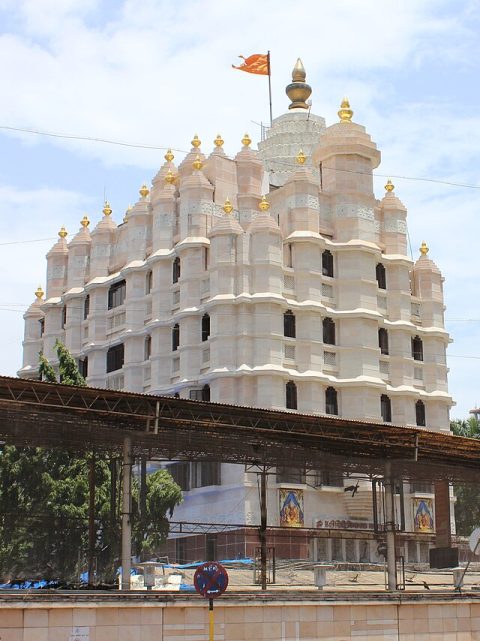
Siddhivinayak Temple
One of Mumbai's most revered Hindu temples, dedicated to Lord Ganesha, Siddhivinayak attracts over 2 million devotees annually, including celebrities, politicians, and business leaders seeking blessings. Built in 1801, the temple features a small black stone idol of Ganesha adorned with precious stones, including diamonds in the eyes and a gold-plated inner sanctum ceiling. The wooden doors showcase intricate carvings depicting the eight forms of Ganesha (Ashtavinayak). Located in Prabhadevi, the modern marble temple complex can accommodate thousands of worshippers. Tuesday is considered especially auspicious for Ganesha worship, resulting in massive crowds and long queues. During the annual Ganesh Chaturthi festival in August-September, the temple overflows with devotees from across India. The temple trust operates charitable activities and provides free meals to devotees. Despite crowds, the spiritual atmosphere and architectural beauty make this a significant cultural experience.
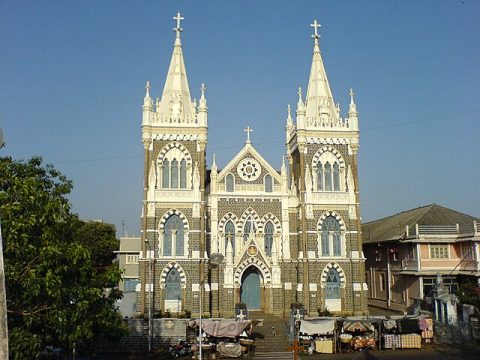
Mount Mary Church
This beautiful Roman Catholic basilica in Bandra, perched on a hillock overlooking the Arabian Sea, is dedicated to Mother Mary and has been a site of pilgrimage since the 16th century. The current structure, rebuilt in 1904 after the original was destroyed, features Gothic architecture with tall spires and stunning stained-glass windows. The church houses a revered statue of Our Lady believed to have miraculous healing powers. The annual Bandra Fair, held during the week of Mother Mary's birth in September, attracts thousands of devotees from all faiths who seek blessings and fulfill vows. The church's elevated location offers panoramic views of the sea and Mahim Bay. The peaceful grounds, whitewashed facade, and spiritual atmosphere provide a serene retreat from Mumbai's chaos. The basilica complex includes grottos, statues, and prayer areas. The approach via steps lined with candle vendors and flower sellers adds to the pilgrimage experience.
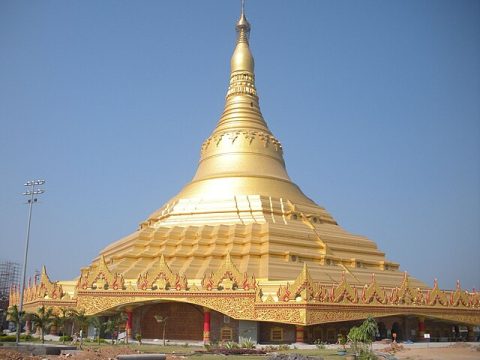
Global Vipassana Pagoda
This magnificent golden-domed meditation hall in Gorai, Borivali, is one of the world's largest stone structures built without any supporting pillars. Inaugurated in 2009, the 325-foot tall pagoda was inspired by Myanmar's Shwedagon Pagoda and contains relics of Buddha. The massive dome can accommodate 8,000 people for group meditation in the main hall's pin-drop silence. The monument promotes Vipassana meditation as taught by S.N. Goenka, offering free 10-day residential meditation courses. Even non-practitioners can visit the pagoda to admire its stunning architecture, explore the exhibition hall detailing Buddha's life and teachings, and experience the peaceful ambiance. The dome's interior features intricate carvings and peaceful Buddha statues. Surrounding gardens provide tranquil walking paths. The location on a peninsula offers scenic views across Gorai Creek. This architectural marvel represents Buddhist heritage while serving as an active meditation center promoting peace and harmony.
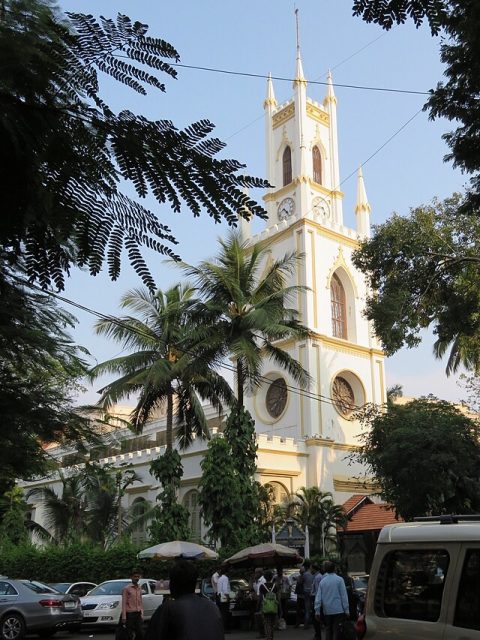
St. Thomas Cathedral
Mumbai's first Anglican church, completed in 1718, stands as a fine example of colonial-era British architecture in the heart of the Fort area. This historic cathedral features neo-Gothic elements with a beautiful facade, arched windows, and a serene interior with wooden pews and brass memorial plaques honoring British officials and soldiers. The cathedral's whitewashed walls and simple elegance create a peaceful atmosphere amidst the bustling city. Notable features include the ornate reredos behind the altar, stained-glass windows depicting biblical scenes, and the historic pipe organ. The church gardens provide a tranquil green space for quiet reflection. As one of Mumbai's oldest surviving colonial structures, St. Thomas Cathedral offers insights into the city's British past. Regular services are held, and visitors are welcome to attend or simply appreciate the architecture and historic ambiance. The cathedral has been witness to Mumbai's transformation over three centuries.
Tips for Religious Sites
- Dress Code: Dress modestly when visiting religious sites cover shoulders and knees, remove footwear where required
- Haji Ali Timing: Check tide timings before visiting; the causeway is only accessible during low tide
- Siddhivinayak Crowds: Visit early morning (before 7 AM) or late evening to avoid massive queues, especially on Tuesdays
- Respectful Behavior: Maintain silence in prayer areas, don't photograph without permission, and respect ongoing worship
- Offerings: Purchase flowers, coconuts, or sweets from vendors outside temples for traditional offerings