Mumbai's museums showcase everything from ancient Indian artifacts and colonial history to contemporary art and Bollywood memorabilia. The city's cultural institutions preserve India's rich heritage while promoting modern artistic expression, offering visitors deep insights into the nation's artistic, archaeological, and scientific achievements.
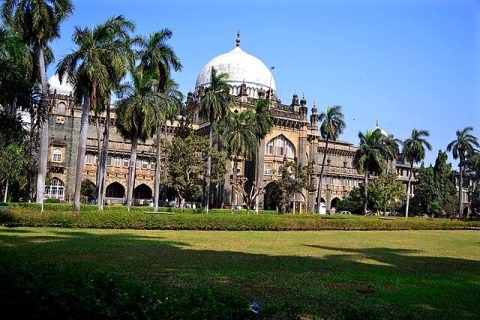
Chhatrapati Shivaji Maharaj Vastu Sangrahalaya (Prince of Wales Museum)
Mumbai's premier museum, formerly the Prince of Wales Museum, houses over 50,000 artifacts spanning art, archaeology, and natural history. Built in stunning Indo-Saracenic architecture with Mughal, Maratha, and Jain influences, the museum was founded in 1905 and designed by George Wittet (who also designed the Gateway of India). Collections include ancient sculptures from the Gupta period, Buddhist images from Gandhara, Maratha and Rajasthani miniature paintings, European decorative arts, and Chinese jade. The Natural History section features dioramas of Indian wildlife and geology. Notable highlights include terracotta figurines from Harappan excavations, exquisite ivory carvings, and the impressive Key Gallery displaying various art forms. The museum building itself, set in formal gardens with palm trees, is an architectural masterpiece worth admiring. Well-curated exhibits provide comprehensive context about India's cultural tapestry from prehistoric times to the modern era.
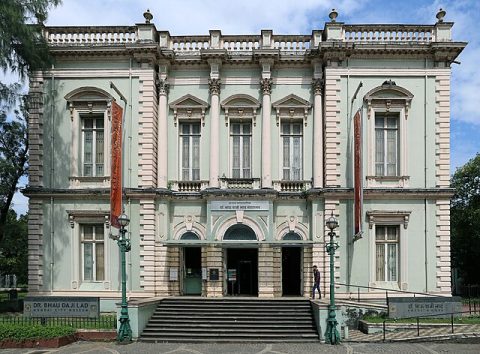
Dr. Bhau Daji Lad Museum
Originally the Victoria and Albert Museum, this is Mumbai's oldest museum, established in 1857. Located in Byculla's Jijamata Udyan, the beautifully restored heritage building features stunning Corinthian columns, ornate ceilings, patterned tile floors, and glittering chandeliers. The museum focuses on Mumbai's cultural history and decorative arts, showcasing 19th-century paintings by J.J. School of Art artists, maps and photographs documenting 18th-century Bombay life, ivory paintings, pottery through the ages, and industrial art objects. The exhibits shed light on how Mumbai transformed from seven islands into a major metropolis. Special galleries display traditional costumes, household objects, and crafts that illustrate daily life in colonial Bombay. The museum also hosts temporary exhibitions, workshops, and cultural events. The Edwardian architecture itself is worth the visit, with every detail meticulously restored to its original splendor.
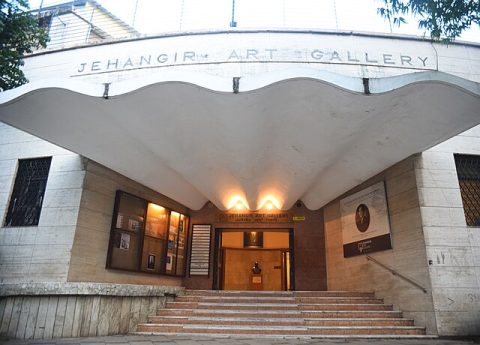
Jehangir Art Gallery
Located in the heart of Kala Ghoda arts district near the Chhatrapati Shivaji Maharaj Vastu Sangrahalaya, this iconic gallery has been Mumbai's most important art venue since opening in 1952. The gallery provides a platform for emerging and established artists to exhibit paintings, sculptures, photography, and graphics across its seven distinct halls. It has showcased works by legendary Indian artists including M.F. Husain, S.H. Raza, and F.N. Souza. The terrace section is particularly popular for contemporary visual art and photography exhibitions. With free entry and rotating exhibitions that change weekly, visitors can discover diverse artistic expressions from traditional Indian art to cutting-edge contemporary works. The gallery is a cultural hub where artists, collectors, and art enthusiasts converge. The surrounding Kala Ghoda neighborhood adds to the experience with street art installations, boutique galleries, cafes, and the annual Kala Ghoda Arts Festival in February.
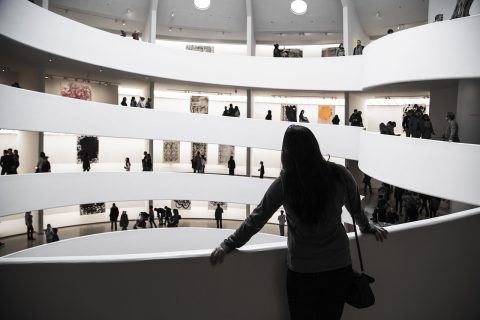
National Gallery of Modern Art (NGMA)
Situated in a magnificent heritage structure in Colaba, NGMA Mumbai showcases modern and contemporary Indian art from the 1850s onwards. Established in 1996 as a branch of the Delhi NGMA, the gallery houses over 14,000 artworks including paintings, sculptures, graphics, and mixed media by distinguished Indian and international artists. The collection features works by masters like Raja Ravi Verma, Rabindranath Tagore, Jamini Roy, Pablo Picasso, and M.F. Hussain. The building itself, formerly a concert venue, features five exhibition galleries, a lecture auditorium, reference library, and conservation lab. Temporary exhibitions highlight various themes and periods in Indian art history. The gallery plays a crucial role in nurturing artistic talent and promoting understanding of India's rich visual culture. With well-curated displays and informative labels, visitors gain comprehensive insights into how Indian art evolved through colonial times to independence and beyond.
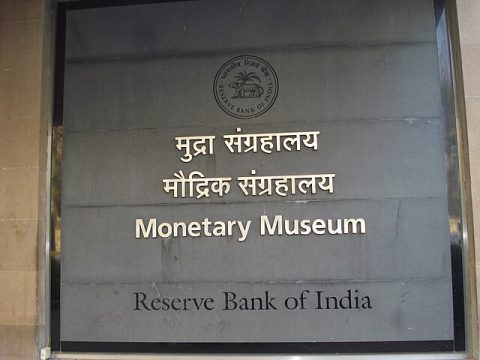
RBI Monetary Museum
This unique museum, inaugurated by former President Dr. A.P.J. Abdul Kalam in 2004, traces the fascinating evolution of Indian currency from ancient barter systems to modern digital payments. Operated by the Reserve Bank of India, the museum displays rare coins with intricate inscriptions, paper currency from various historical periods, ancient punch-marked coins, Mughal-era currency, and colonial-period notes. Interactive exhibits explain how socio-cultural factors influenced currency design throughout Indian history. The collection includes coins dating back over 2,000 years, showing how different empires and kingdoms created monetary systems. Particularly interesting are displays showing currency used during British rule and the transition to independent India's currency. The museum provides engaging context about economic history, trade practices, and the technological evolution of money-making. Though compact, it's exceptionally well-curated and educational, making it perfect for coin collectors and history enthusiasts alike.
Tips for Museums & Galleries
- Timing: CSMVS is open Monday to Sunday, 10:15 a.m.–6 p.m.; check each museum’s schedule individually.
- Photography: Many museums prohibit photography or charge extra fees; check rules at entry
- Guided Tours: Chhatrapati Shivaji Maharaj Vastu Sangrahalaya offers audio guides for deeper understanding
- Combo Ticket: Some museums offer discounted entry for students and seniors with valid ID
- Kala Ghoda Walk: Combine multiple galleries in the Kala Ghoda area with a walking tour