Mumbai's iconic landmarks tell the story of a city shaped by colonial rule, maritime trade, and independence struggles. From the majestic Gateway of India overlooking the Arabian Sea to the architectural marvel of Chhatrapati Shivaji Terminus, these monuments represent Mumbai's layered history and enduring grandeur.
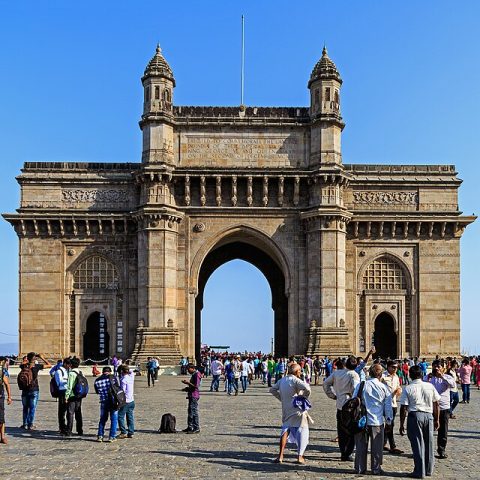
Gateway of India
This monumental 85-foot basalt arch, built in 1924, stands as Mumbai's most iconic landmark and symbol of the city. Designed in Indo-Saracenic architecture blending Indian, Islamic, and European styles, it was constructed to commemorate the visit of King George V and Queen Mary in 1911. Located at Apollo Bunder in Colaba, this magnificent structure overlooks Mumbai Harbor and serves as the embarkation point for ferries to Elephanta Caves. The bustling promenade around it offers street vendors, photographers, and stunning views of the Taj Mahal Palace Hotel directly across. Best visited during sunrise or sunset when golden light bathes the honey-colored stone, creating perfect photo opportunities. The monument has witnessed historic moments, including the departure of the last British troops in 1948, marking India's true independence.
Chhatrapati Shivaji Maharaj Terminus (CSMT)
Recognized as a UNESCO World Heritage Site, this stunning railway station is a masterpiece of Victorian Gothic Revival architecture fused with traditional Indian palace design. Built in 1888 and originally named Victoria Terminus, the station features soaring spires, ornate stone carvings, stained-glass windows, and an impressive octagonal dome topped by a statue representing Progress. Designed by British architect F.W. Stevens, it houses intricate details including gargoyles, turrets, and pointed arches adorned with sculptures of lions, monkeys, and peacocks carved into pillars. Currently serving over 3 million commuters daily, it remains India's busiest railway station while maintaining its architectural splendor. The facade is particularly spectacular when illuminated at night. Though still a functional terminus, visitors can admire the exterior and main hall's grandeur. The building exemplifies Mumbai's role as India's most beautiful railway station.
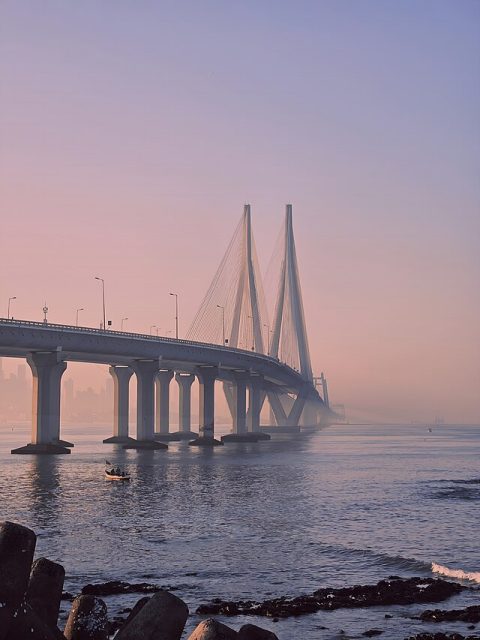
Bandra-Worli Sea Link
This spectacular 8-lane cable-stayed bridge, officially named Rajiv Gandhi Sea Link, connects Bandra in the western suburbs with Worli in South Mumbai, spanning 5.6 kilometers across the Arabian Sea. Opened in 2009 after nearly a decade of construction, this engineering marvel uses steel wire equivalent to the Earth's circumference and features 128 flood lights that create a mesmerizing illuminated arc at night. The bridge reduces travel time between the two areas from 60-90 minutes to just 10 minutes. It's designed to withstand earthquakes and extreme weather conditions while offering breathtaking coastal views from the elevated roadway. The structure has become an iconic part of Mumbai's skyline and represents the city's modern infrastructure development. While you can't stop on the bridge, driving across during sunset provides unforgettable views of the Arabian Sea and city skyline.
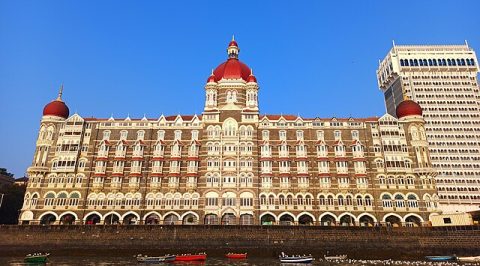
Taj Mahal Palace Hotel
This legendary luxury hotel, opened in 1903, stands as a symbol of Indian hospitality and resilience directly opposite the Gateway of India. Built by Indian industrialist Jamsetji Tata, the palace section showcases magnificent Indo-Saracenic architecture with its distinctive red dome and white stone facade. The hotel has hosted numerous dignitaries, celebrities, and world leaders throughout its history. Tragically, it was one of the sites targeted during the 2008 Mumbai terrorist attacks, but reopened with enhanced security while maintaining its historic grandeur. Even if not staying overnight, visitors can admire the stunning architecture, enjoy afternoon tea at the Sea Lounge overlooking the harbor, or dine at one of its acclaimed restaurants. The opulent interiors feature Italian marble, Belgian chandeliers, and intricate woodwork that transport guests to a bygone era of royal elegance.
Tips for Landmarks & Monuments
- Best Time: Visit Gateway of India and Marine Drive during early morning or sunset for the best lighting and fewer crowds
- Photography: Chhatrapati Shivaji Terminus looks stunning when lit up at night exterior photography is allowed
- Combined Visit: Gateway of India, Taj Hotel, and Colaba Causeway can be covered in a single half-day tour
- Security: Major landmarks have security checks; avoid carrying large bags