Mumbai's diverse neighborhoods each possess distinct personalities from the colonial architecture of Colaba and Fort to the Bollywood glamour of Bandra and the traditional markets of Bhuleshwar. Exploring these districts reveals the city's multifaceted character and authentic local life.
Colaba
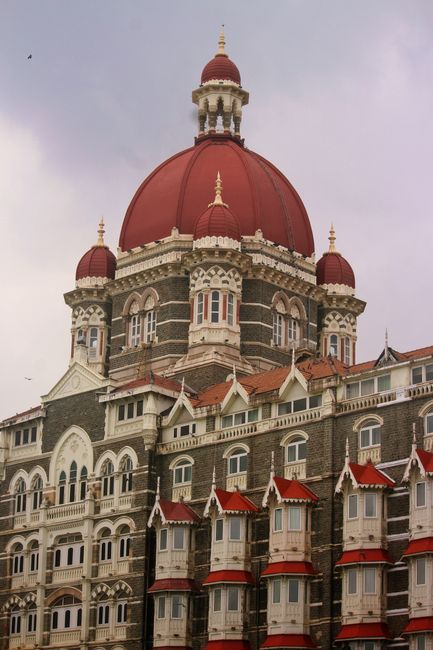
This historic peninsula at Mumbai's southern tip is the city's premier tourist district, packed with colonial-era buildings, art galleries, restaurants, and the famous Colaba Causeway market. The area centers around the Gateway of India and extends to the Afghan Church, Leopold Café (featured in the novel Shantaram), and Sassoon Docks. Colaba's tree-lined streets showcase beautiful Victorian and Art Deco architecture, housing boutique hotels, trendy cafes, antique shops, and bars. The neighborhood buzzes with both tourists and locals exploring its eclectic mix of old-world charm and contemporary culture. Street vendors sell everything from handicrafts to fashion accessories along the Causeway. The area offers excellent dining options ranging from Irani cafes serving chai and bun maska to upscale restaurants. Regal Cinema, one of Mumbai's oldest theaters, adds to the area's heritage. Colaba's cosmopolitan atmosphere, walkability, and proximity to major attractions make it an ideal base for exploring Mumbai.
Bandra
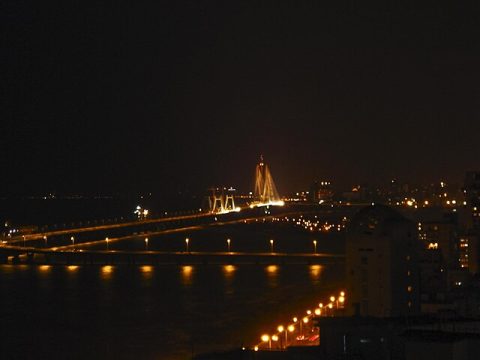
Known as Mumbai's 'Queen of Suburbs', Bandra epitomizes the city's hip, cosmopolitan culture with upscale boutiques, gastropubs, celebrity residences, and vibrant nightlife. The neighborhood blends Portuguese colonial heritage visible in old bungalows and churches with modern high-rises and trendy establishments. Linking Road and Hill Road offer excellent street shopping for fashion and accessories. The Bandra Bandstand promenade provides stunning sea views and is a popular evening hangout where joggers, couples, and families gather. Mount Mary Church on the hill attracts devotees year-round. The area is home to numerous Bollywood stars, with fans often congregating outside celebrity homes. Carter Road's restaurants and cafes offer diverse cuisines with sea-facing seating. Chapel Road features charming heritage homes. Kala Ghoda Arts Festival's Bandra events showcase local art and culture. The neighborhood perfectly captures Mumbai's evolution from colonial past to modern metropolitan lifestyle.
Kala Ghoda
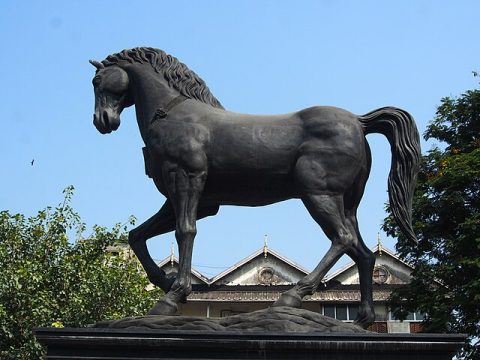
This cultural arts district in South Mumbai is the city's creative heart, named after the black stone horse statue that once stood here. The area houses major cultural institutions including Jehangir Art Gallery, National Gallery of Modern Art, Chhatrapati Shivaji Maharaj Vastu Sangrahalaya, and Rhythm House. Streets are lined with art galleries, boutiques selling designer clothing and handicrafts, bookstores, and cafes frequented by artists and intellectuals. The neighborhood comes alive during the annual Kala Ghoda Arts Festival in February, India's largest multicultural street festival featuring art installations, performances, workshops, and food stalls. Even outside festival time, the area's colonial architecture, street art, and vibrant atmosphere make it compelling. Phillips Antiques, Bombay Paperie, and Kulture Shop offer unique shopping. Numerous restaurants range from Irani cafes to contemporary fusion cuisine. The area is highly walkable, allowing visitors to explore multiple galleries, shops, and eateries in one outing.
Tips for Neighborhoods & Districts
- Walking Tours: Join guided heritage walks in Colaba, Fort, and Kala Ghoda to learn fascinating historical details
- Evening Time: Bandra Bandstand and Marine Drive are best experienced during sunset hours
- Shopping Strategy: Bargain at street markets but expect fixed prices in boutiques and galleries
- Cafe Culture: Allocate time to experience Mumbai's famous Irani cafes and modern coffee culture
- Safety: These areas are generally safe but remain vigilant in crowded markets and at night