Plan your trip to Medan
- How long
- 1-2 days in the city, then onward to Lake Toba or Bukit Lawang (Medan is mainly a gateway to North Sumatra).
- Best for
- Food and heritage lovers and travellers heading to Lake Toba or the orangutans: Maimun Palace, Al-Mashun Mosque and Tjong A Fie Mansion.
- Skip it if
- You want a relaxed, walkable city: Medan is big, hot and traffic-heavy.
If you only do three things
- The Maimun Palace and the Al-Mashun Grand Mosque.
- Tjong A Fie Mansion and the Kesawan old quarter.
- Medan noodles and local food.
A one-day route
- Morning: Maimun Palace and Al-Mashun Grand Mosque.
- Midday: Lunch on local Medan dishes.
- Afternoon: Tjong A Fie Mansion and a stroll through Kesawan.
- Evening: Dinner at a night market; head on to Lake Toba next day.
Before you go
- Kualanamu Airport (KNO) is about 40 km from the center; the airport train takes about 40 minutes to Medan station.
- Lake Toba is several hours by road; Bukit Lawang is about 3 hours.
- Dress modestly at the mosque and temples.
- Agree taxi fares or use a ride-hailing app; traffic is heavy.
Prices, opening status and transport in this plan checked against official sources on 30 September 2026.
Things to do in Medan
Medan boasts remarkable architectural landmarks reflecting its rich Islamic and colonial heritage, from grand mosques to historic palaces that tell the story of the city's past.
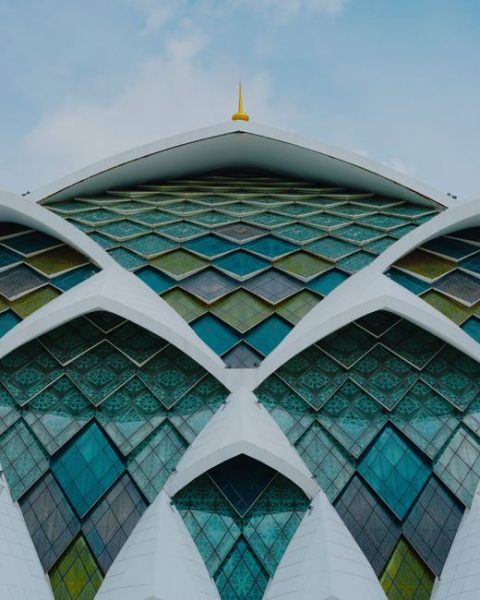
Masjid Raya Al-Mashun
One of Southeast Asia's most magnificent mosques featuring stunning Moorish architecture with golden domes and intricate geometric patterns. Built in 1909, this architectural masterpiece combines Moorish, Middle Eastern and Indian design elements. Best visited during non-prayer times. The interior features beautiful tilework and calligraphy. Dress modestly; women should wear headscarves available at the entrance.
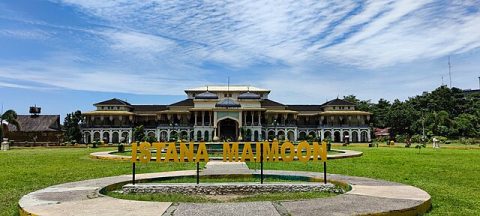
Maimun Palace
Construction began in 1888 and the palace was completed in 1891, blending Moorish, Malay, and Indian architectural styles. This yellow-hued palace showcases ornate interior decorations, royal furniture, and historical artifacts. Photography is limited in certain areas. Guided tours provide context about the sultanate's history. The palace grounds offer peaceful walks through manicured gardens. Entry requires modest dress.
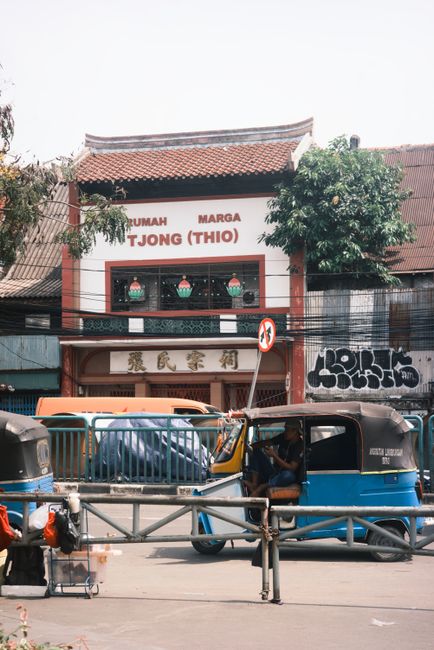
Tjong A Fie's Mansion
A beautifully preserved 1895 mansion showcasing the life of a prominent Chinese merchant during the colonial era. The three-story building features ornate wooden interiors, period furniture, and displays of historical documents. This museum offers intimate glimpses into multicultural colonial Medan. Guided tours in English available. The mansion's architecture reflects Chinese, Islamic, and Dutch influences harmoniously.
Tips for Landmarks & Monuments
- Visit Masjid Raya in late afternoon to catch sunset lighting on the dome
- Respect mosque visiting hours and prayer times
- Wear comfortable shoes for walking palace grounds
- Bring a light scarf for temple visits
- English-speaking guides available at major landmarks
Medan's museums preserve the region's natural history, cultural heritage, and artistic traditions, offering windows into North Sumatra's diverse past and present.
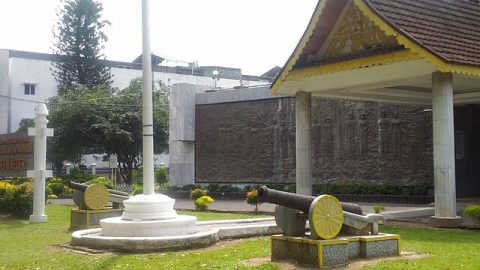
North Sumatra Museum
Indonesia's premier regional museum housing extensive collections of Sumatran artifacts, traditional weapons, textiles, and ethnographic displays. The multi-floor museum covers indigenous cultures, sultanate history, and colonial periods. Extensive English signage and occasionally English-speaking staff. Special exhibits rotate seasonally. The museum building itself is architecturally significant, designed in classical Indonesian style.
Tips for Museums & Galleries
- Allocate at least 2 hours for the North Sumatra Museum
- English-language audio guides may be available upon request
- Photography rules vary; inquire at entrance
- Visit early morning to avoid crowds
- Special exhibits change seasonally, check ahead
Medan's diverse religious landscape includes some of Indonesia's most architecturally stunning Islamic structures alongside other faith communities, reflecting the city's multicultural heritage.
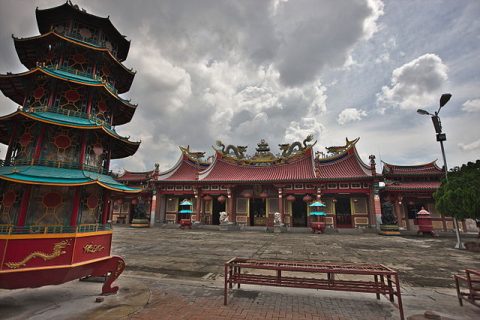
Vihara Gunung Timur
A prominent Buddhist temple in Medan featuring traditional architecture with golden ornaments and red-tiled roofs. The temple complex includes multiple prayer halls, meditation areas, and beautiful garden spaces. Active worship site; respectful observation expected. Visitors can observe daily Buddhist practices and participate in meditation sessions. The temple hosts major celebrations during Vesak (Buddhist New Year).
Tips for Religious Sites
- Remove shoes before entering prayer areas
- Women should wear headscarves in mosques
- Avoid visiting during active prayer times
- Photography may be restricted; always ask permission
- Dress modestly with covered shoulders and knees
Medan's green spaces offer respite from the tropical heat, featuring botanical gardens, wildlife sanctuaries, and recreational parks perfect for families and nature enthusiasts.
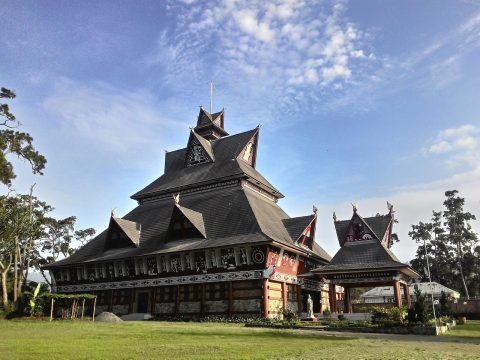
Medan Zoo
A well-known zoo housing diverse Sumatran wildlife including tigers, orangutans, elephants, and indigenous bird species. The 14-hectare facility features naturalistic habitats and educational programs. Best visited in early morning for animal activity. Modern amenities include restaurants and gift shops. Paths are well-maintained but can be muddy after rain. Educational feeding sessions occur at scheduled times.
Tips for Parks & Gardens
- Visit zoo before 10 AM for best animal activity
- Wear sun protection and comfortable walking shoes
- Bring plenty of water and insect repellent
- Parks are safest during daylight hours
- Hire guides for national park treks
- Picnic facilities available in some parks
Medan's bustling markets and shopping areas showcase local commerce, traditional crafts, and authentic food scenes, offering genuine glimpses into daily life and cultural commerce.
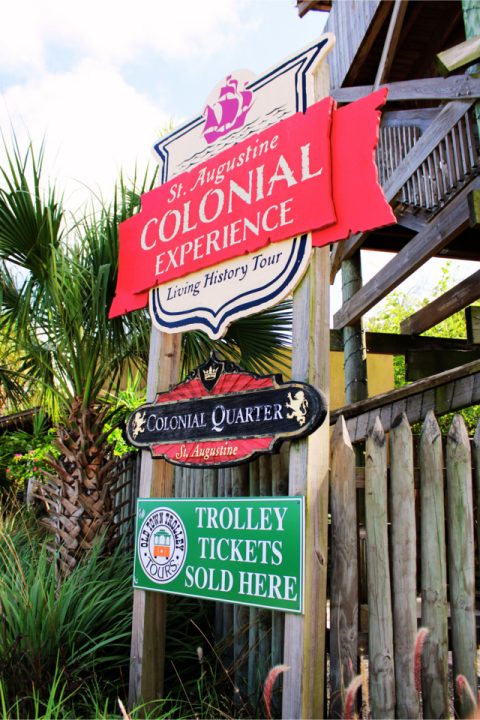
Colonial Quarter (Medan Lama)
The historic heart of Medan featuring well-preserved Dutch colonial architecture, heritage shophouses, and period buildings reflecting 19th-century grandeur. Walking tours reveal stories of trading, governance, and cultural fusion. Best explored on foot in early morning when light is magical on old facades. Many buildings now house restaurants, cafes, and boutique shops. Architectural photography enthusiasts will find endless subjects here.
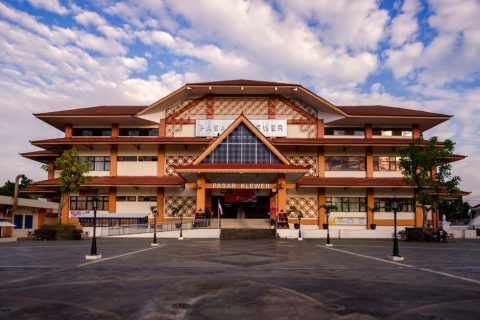
Pasar Besar (Grand Market)
One of Medan's traditional markets sprawling across multiple blocks with hundreds of vendors selling textiles, handicrafts, spices, and local products. Sensory overload in the best way—vibrant colors, exotic aromas, lively haggling. The market is most authentic early morning. Vendors expect negotiation for most items. Street food stalls offer authentic Medan cuisine throughout the market.
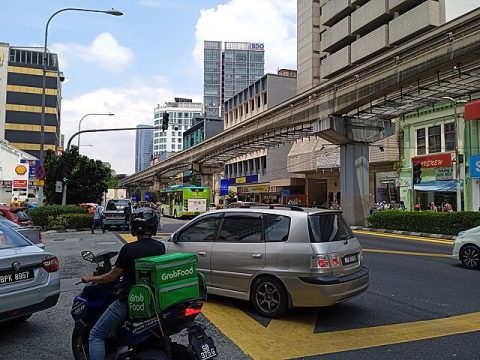
Jalan Batu (Stone Street)
Historic commercial street lined with colonial-era shophouses now featuring textiles, jewelry, souvenirs, and local crafts. The architecture itself is worth photographing—colorful buildings with ornate Details and narrow shop fronts. Less touristy than other markets but rich with character. Several street-side cafes offer respite. This is where locals shop for daily needs and traditional items.
Modern Malls
Contemporary shopping malls offering international and Indonesian brands, restaurants, and entertainment facilities. Air-conditioned comfort contrasts with traditional market atmosphere. Best option for souvenirs, clothing, and electronics with fixed pricing. Malls feature cinema complexes and food courts. Popular weekend destination for locals and tourists.
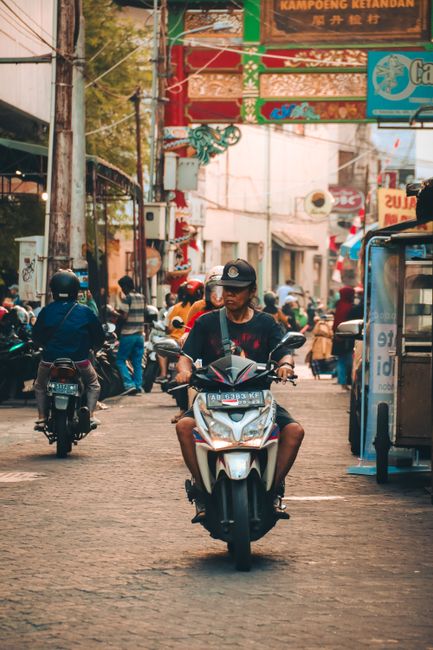
Chinatown (Kampung Keling)
Medan's vibrant Chinese district packed with temples, traditional restaurants, and shops selling Chinese goods. The narrow streets buzz with activity, especially during Chinese New Year celebrations. Authentic dining experiences with multi-generational family recipes. Temples showcase ornate architecture and religious traditions. Street signage alternates between Chinese characters and Indonesian text, creating a unique bilingual environment.
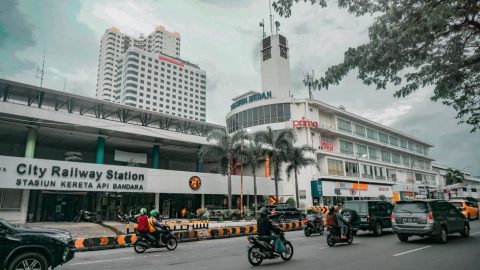
Kesawan District
The downtown commercial and cultural center featuring modern offices, restaurants, galleries, and entertainment venues. Kesawan transforms at night into a lively social hub with bustling street vendors and crowded cafes. Most cosmopolitan area reflecting contemporary Medan. Located near major hotels and transportation hubs. Shopping and dining options cater to diverse tastes and budgets.
Tips for Neighborhoods & Districts
- Bargain aggressively in traditional markets; expect 30-50% discounts
- Carry cash; most market vendors don't accept cards
- Visit early morning for best selection and coolest temperatures
- Keep valuables secure in crowded markets
- Modern malls have fixed prices and credit card acceptance
- Sample street food from established vendors with high turnover
- Wear comfortable walking shoes for neighborhood exploration
- Carry a map or use offline Google Maps
- Explore Medan Lama in morning light for best photography
- Respect residential areas when exploring neighborhoods
- Kesawan is safest during daytime and early evening
- Ask locals for restaurant recommendations—they know best places
Medan's culinary scene represents North Sumatra's diverse cultural heritage, offering distinctive regional dishes unavailable elsewhere in Indonesia with bold flavors and unique cooking traditions.
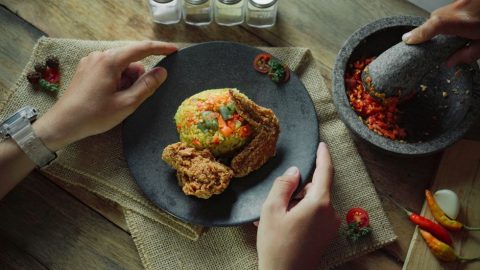
Traditional Medan Cuisine Tour
Discover signature dishes: Nasi Goreng Medan (fried rice with generous portions), Perkedel Goreng (fried potato cakes), Gado-gado with peanut sauce, and Laksa Medan (spicy coconut noodle soup). Street food vendors offer authentic preparation at budget prices. Night markets (food bazaars) showcase dozens of vendors in one location. Local restaurants in Chinatown serve multi-course traditional feasts. Food tours include market visits and cooking demonstrations.
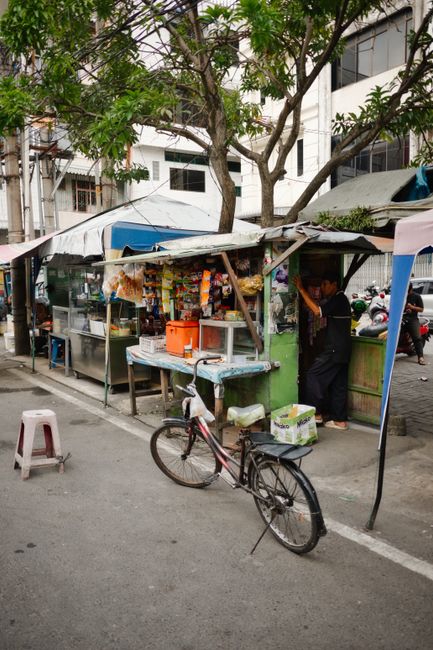
Mie Medan (Medan Noodles)
Famous regional specialty noodle dish prepared with yellow wheat noodles, proteins, and unique spice blend creating distinctive tangy-spicy flavor. Served at dedicated noodle shops throughout the city. Each vendor has slightly different recipes passed down through families. A cheap meal. Popular for lunch and late-night meals. Traditional preparation involves hand-pulling noodles and open-flame cooking.
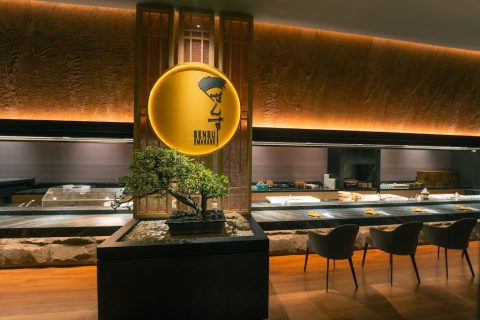
Sensu Omakase
Sensu Omakase is a highly-rated restaurant in Medan, rated 5★ from 340 reviews. Located at Jl. Letjen Suprapto No.13, Hamdan, Kec. Medan Maimun, Kota Medan, Sumatera Utara 20212, Indonesia.
Opening Hours
- Monday: Closed
- Tuesday: 12:00 – 3:00 PM, 6:00 – 10:30 PM
- Wednesday: 12:00 – 3:00 PM, 6:00 – 10:30 PM
- Thursday: 12:00 – 3:00 PM, 6:00 – 10:30 PM
- Friday: 12:00 – 3:00 PM, 6:00 – 10:30 PM
- Saturday: 12:00 – 3:00 PM, 6:00 – 10:30 PM
- Sunday: 12:00 – 3:00 PM, 6:00 – 10:30 PM
Tips for Food & Dining
- Street food is safe if vendors have high turnover and clean preparation
- Bring Imodium for digestive adjustment
- Night food markets best experienced 7-11 PM
- Prices at street vendors 75% lower than restaurants
- Learn basic Indonesian food terms before ordering
- Eat where locals eat—best guarantee of authenticity
- Water is safe from sealed bottles only
Guided experiences and specialized activities provide deeper engagement with Medan's culture, natural attractions, and local communities, often including expert insights unavailable to independent travelers.
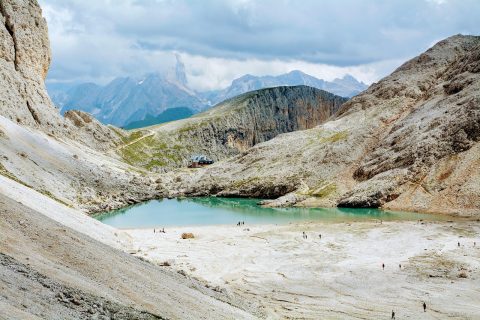
Lake Toba Day Excursion
Allow about 4–5 hours by road from Medan to Parapat, then additional time for the ferry to Samosir. Activities include boat tours across pristine waters, visits to traditional Batak villages on Samosir Island, and exploration of Batak cultural museums. Dramatic scenery with cool mountain climate provides refreshing escape from city heat. Tours include meals and hotel pickup. Swimming and water sports available. Best during dry season.
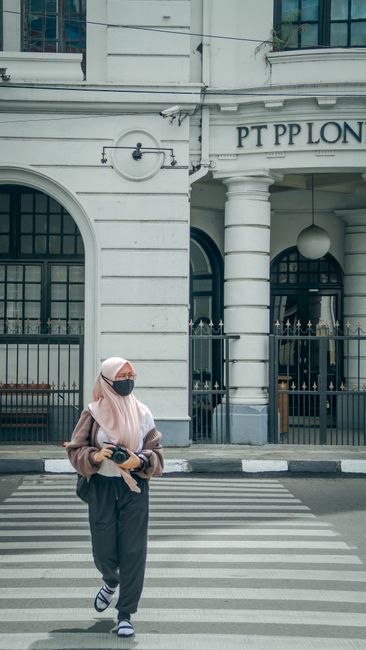
City Heritage Walking Tours
Professional guides lead exploratory walks through colonial quarters, explaining architectural details, historical events, and cultural significance. Tours last 2-3 hours, covering 5-8 kilometers with frequent stops for photos and stories. Guides speak fluent English with deep local knowledge. Tours operate daily from major hotels. Groups limited to 15 people for quality experience. Morning tours conclude with traditional coffee and snacks at historic cafes.
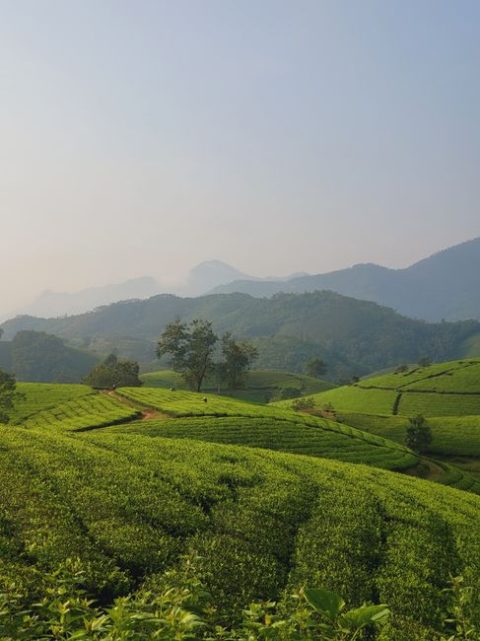
Plantation Tours
Visit working rubber, palm oil, and tea plantations around Medan region. Guides explain cultivation, harvesting, and processing techniques. Educational experience showing economic backbone of North Sumatra. Tours include sample products and tea tastings. Photography encouraged. Professional tour operators provide transportation from city. Morning tours best for seeing workers in action.
Tips for Tours & Activities
- Book tours through hotel concierge for reliability
- Confirm tour language beforehand
- Bring sun protection and plenty of water
- Wear sturdy shoes for plantation walks
- Lake Toba tours best in morning for light
- Tipping guides 10% is customary
- Ask about off-season discounts
Multiple transportation options connect Medan's attractions, from traditional public transit to modern ride-sharing services, making mobility accessible and affordable for visitors.

Taxis & Ride-Sharing Apps
Abundant traditional taxis easily flagged on streets, though meters sometimes start below correct amount—negotiate fares beforehand. Ride-sharing apps (Grab, Gojek) offer transparent pricing and safer options for solo travelers. Both services available 24/7. Drivers generally speak limited English; use apps to communicate destinations. Fares are 50-75% cheaper than Western cities.
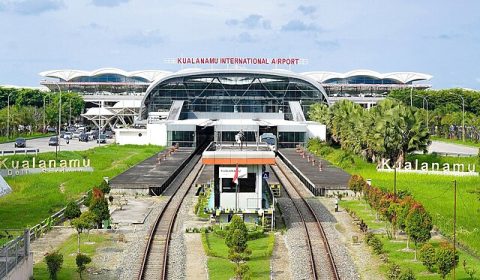
Medan Airport (Kuala Namu)
Modern international airport located 40 kilometers from city center, approximately 45-60 minutes by taxi or airport shuttle. Direct flights connect to Jakarta, Singapore, Malaysia, and other Southeast Asian cities. Airport shuttles offered through hotels are convenient and reliable. Ride-sharing apps operate at airport with surge pricing. Car rentals available for multi-day exploration. Immigration lines generally move quickly.
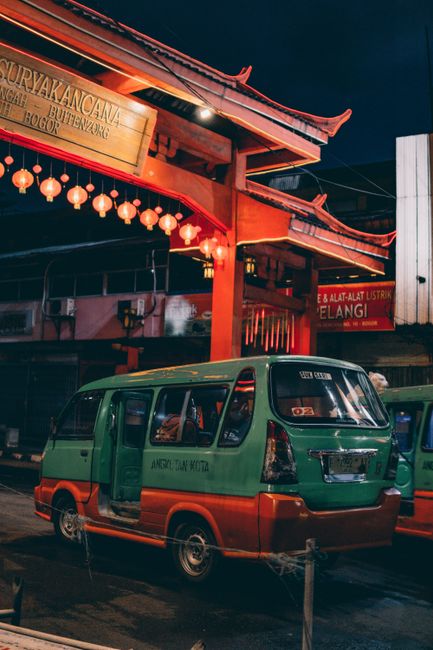
Public Buses & Angkots
Extensive public bus network connecting all major areas with extremely affordable fares (very cheap). Angkots (shared minibuses) operate on fixed routes throughout city with flexible stop-anywhere service. Authentic local experience but challenging without Indonesian language knowledge. Buses are crowded during peak hours. Air-conditioned buses more comfortable for tourists. Destination signs primarily in Indonesian.
Tips for Transportation
- Download Grab app before arrival for ride-sharing
- Always confirm taxi fares before entering
- Keep small bills for public transport
- Avoid traveling alone late at night
- Hotel front desk can arrange reliable transportation
- Ask locals for current fare estimates
- Book airport shuttle in advance during holidays
Surrounding areas offer natural wonders, cultural experiences, and scenic landscapes easily accessible for day trips from Medan, expanding exploration beyond city boundaries.
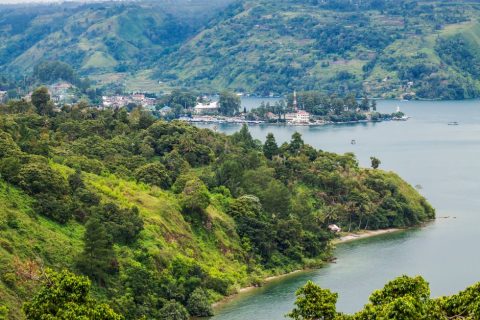
Lake Toba & Samosir Island
World's largest volcanic crater lake with cool mountain climate creating escape from tropical heat. Samosir Island features traditional Batak villages, cultural museums, and panoramic viewpoints. Day tours include boat rides, village visits, and cultural demonstrations. Stunning natural scenery justifies the 2.5-hour journey. Overnight stays available for deeper cultural immersion. Dry season (June-September) offers best weather and visibility. Local guides enhance cultural understanding.
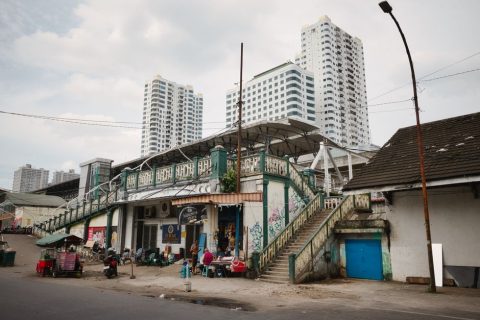
Berastagi Town & Fruit Market
Charming hill town 2 hours from Medan at elevation offering cooler climate and agricultural character. Famous for fresh fruit market featuring tropical fruits like oranges, strawberries, and local specialties. Nearby volcanoes (Sinabung and Sibayak) offer hiking with spectacular views. Easy day trip with authentic local atmosphere and minimal tourism infrastructure. Hotels and restaurants cater to visiting Indonesians. Nature walks through vegetable farms and fruit orchards available.
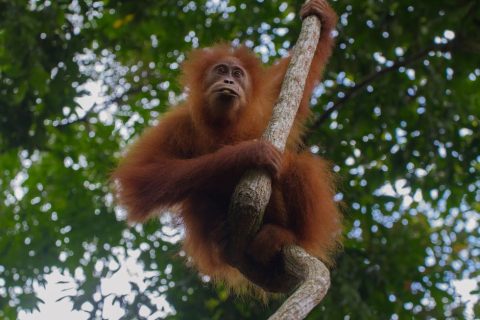
Bukit Lawang Orangutan Sanctuary
Rehabilitation center for endangered orangutans about 3 hours from Medan, where visitors observe rescued and released orangutans in natural settings. Expert guides explain conservation efforts and individual orangutan stories. Once-in-a-lifetime opportunity to see these intelligent primates in semi-wild environments. Multi-day jungle treks available for immersive experiences. River rafting and jungle exploration complement orangutan viewing. Morning visits maximize animal activity.
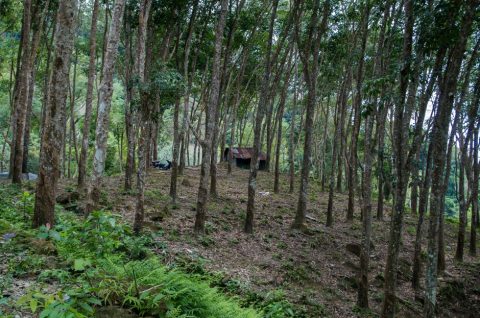
Rubber & Tea Plantations
Working agricultural plantations surrounding Medan offer educational tours showing cultivation and processing of key regional exports. Guides demonstrate rubber tapping, tea drying, and other processes. Rarely visited but fascinating for understanding regional economy. Tea and rubber tasting included. Most tours 3-4 hours with transportation from city center. Photography encouraged to capture rural life and natural landscapes.
Tips for Day Trips & Excursions
- Lake Toba requires early 6-7 AM departure for full day experience
- Berastagi is accessible by public bus if budget-conscious
- Bukit Lawang requires 2+ days for optimal experience
- Book excursions through hotels or reputable tour operators
- Bring extra cash; small towns have limited ATMs
- Pack light layers; mountain areas much cooler than city
- Sunscreen essential for high-altitude sun exposure
Explore Medan on the Map
Best Time to Visit Medan
Dry Season (June to September): Ideal period with minimal rainfall, cool mountain air, and excellent visibility for attractions and photography. Temperatures moderate to pleasant. Perfect for Lake Toba day trips and outdoor activities. Accommodation prices peak during this season—book in advance.
Shoulder Seasons (April-May, October-November): Warm with occasional rain showers providing relief from heat. Fewer tourists than peak season. Generally comfortable for sightseeing with proper rain preparation. Hotels offer excellent value.
Wet Season (December to March): Heavy rainfall common, especially January-February, causing occasional flooding and landslides affecting road access. Humidity reaches peak levels. However, fewer tourists, dramatic cloud formations, and lower prices make this period worthwhile for budget travelers. Indoor attractions like museums become more appealing.
Temperature & Humidity: Medan maintains tropical climate with average temperatures 24-32°C (75-90°F) year-round. Humidity consistently high (75-85%) requiring light, breathable clothing. Coastal location moderates extreme heat.
Cultural Considerations: Ramadan (Islamic fasting month) affects dining hours and restaurant availability. Chinese New Year brings special events and crowded attractions. Plan around these periods based on your preferences.
What to Buy & Shopping Guide
Traditional Textiles & Batik: North Sumatra's silk and cotton weavings showcase regional patterns. Pasar Besar offers authentic selections with negotiable prices. Medan's Chinese district sells quality fabrics. Modern malls stock curated selections with fixed pricing and quality guarantees. Expect 20-40% markups at tourist shops versus traditional markets.
Handicrafts & Souvenirs: Carved wooden items, traditional masks, and beadwork represent local artisanship. Specialty shops in Tjong A Fie Mansion and heritage quarter stock premium selections. Street vendors offer budget options with variable quality. Bargaining expected and successful in traditional markets (30-50% reductions typical).
Local Spices & Food Products: Authentic North Sumatran spices, curry pastes, and specialty sauces available at markets. Pasar Besar's spice section offers dried chilies, turmeric, and local blends packaged for travel. Medan chocolate and local coffee beans serve as lightweight souvenirs.
Tea & Rubber Products: High-quality tea from regional plantations available at visitor centers and markets. Rubber wood crafted goods including utensils and decorative items make unique souvenirs. Berastagi fruit market offers fresh tropical fruits and preserves.
Shopping Etiquette: Bargaining expected and appreciated in traditional markets; polite negotiation brings 30-50% discounts. Fixed pricing applies in malls, restaurants, and tourist shops. Large purchases in markets may bring larger discounts. Friendly haggling seen as entertainment, not offense. Respect vendor dignity even if declining offers.
Payment Methods: Indonesian Rupiah (IDR) essential for markets and street vendors; most accept nothing else. Modern malls accept credit cards with surcharge (2-3%). ATMs widely available in city center but unreliable in remote areas. Currency exchange better at banks than airports; bring USD or EUR for exchange.
Annual Events & Festivals
Chinese New Year (Lunar Calendar): Medan's large Chinese population celebrates with dragon dances, temple decorations, and festive meals lasting 15 days. Chinatown becomes especially vibrant with traditional performances and family gatherings. Restaurants fully booked; make reservations well in advance. Typically January or February depending on lunar calendar.
Ramadan & Eid al-Fitr (Islamic Calendar): The fasting month reshapes daily rhythms with reduced restaurant hours during daylight. Bazaar atmospheres energize evenings. Eid celebration at month's end brings family gatherings, special foods, and religious observances. Avoid city visits during final Ramadan week due to heightened crowds and traffic. All restaurants/shops operate with modified hours; plan accordingly.
Eid al-Adha (Islamic Calendar): Animal sacrifice festival celebrates prophet Abraham's obedience with community meals and family gatherings. Significantly less tourism infrastructure impact than Eid al-Fitr. Occurs approximately 2 months after Eid al-Fitr based on lunar calendar.
Indonesian Independence Day (August 17): National holiday featuring parades, flags, and patriotic celebrations. Medan hosts community events with traditional performances and large gatherings. Good opportunity experiencing local patriotic culture, though reduced tourist services. Many businesses closed; plan meal times accordingly.
Vesak (Buddhist Lunar Calendar): Buddhist temples throughout Medan celebrate with special ceremonies, meditation sessions, and educational programs. Vihara Gunung Timur hosts major events. Visitors welcome to observe respectfully. Variable dates require advance calendar checking (typically April-May).
Local Islamic Calendar Observances: Muhammad's Birthday (Mawlid) and Night of Power (Lailat al-Qadr) during Ramadan bring religious observances. Quieter celebrations than major holidays but offer authentic cultural experiences.
Sample Day Itineraries
Day 1: Colonial Heritage & Architecture
Morning (6:00-10:00 AM): Start early at Masjid Raya Al-Mashun to see the mosque in golden morning light with fewer crowds. Spend 45 minutes photographing intricate architectural details and learning about Islamic design elements. Exit and walk to nearby Maimun Palace (5-minute walk). Spend 60 minutes exploring palace interiors, gardens, and royal displays.
Late Morning (10:00-12:30 PM): Walk through Colonial Quarter (Medan Lama) stopping at heritage shophouses, old administrative buildings, and colonial-era facades. Hire English-speaking street guide (common in area) for historical context. Photograph atmospheric narrow streets. Stop at heritage café for traditional coffee and pastries.
Afternoon (12:30-3:00 PM): Lunch at local restaurant in heritage quarter featuring Medan specialty dishes. Rest during peak heat. Visit Tjong A Fie Mansion museum learning about colonial-era Chinese merchant life. Spend 45 minutes inside museum with guided explanations of historical artifacts and architecture.
Late Afternoon (3:00-6:00 PM): Walk to North Sumatra Museum for remaining daylight hours. Allocate time for high-interest exhibits (suggest 90 minutes minimum). The museum’s listed hours are 8:30 AM–3:30 PM; it is closed Mondays and public holidays. Exit when closing time approaches.
Evening (6:00 PM+): Dinner at Kesawan District featuring modern restaurants with international and Indonesian cuisine. Browse shop windows in evening light if energy permits.
Day 2: Markets, Food & Local Life
Early Morning (5:30-7:00 AM): Arrive at Pasar Besar as early as possible when market energy peaks. Walk through textile section, spice stalls, and produce vendors. Observe authentic market dynamics before tourist-oriented time. Hire local guide (available at market entrance) for insider recommendations and vendor stories.
Morning (7:00-10:00 AM): Breakfast at traditional food stall within market or nearby café serving Medan noodles (Mie Medan) or rice dishes. Sample local street foods and interact with vendors. Explore Jalan Batu (Stone Street) walking historic shopping area with colonial shophouses. Browse textile shops and traditional product vendors.
Late Morning (10:00-1:00 PM): Visit Chinatown (Kampung Keling) exploring temples, traditional shops, and historic streets. Stop at established restaurant for lunch featuring Chinese-Indonesian fusion cuisine. Take leisurely pace enjoying neighborhood atmosphere.
Afternoon (1:00-5:00 PM): Visit a modern mall for air conditioning relief and contemporary shopping experience. Browse souvenirs, pick up practical items if needed. Sample modern Indonesian cuisine at food court.
Evening (5:00 PM+): Night market visit (Malam Hari Food Bazaar areas) for authentic street food experience. Vendors set up 6-10 PM in various locations. Sample multiple small portions from different vendors (meatballs, grilled items, desserts). Cost-effective authentic dining experience.
Day 3: Religious Sites & Spiritual Exploration
Morning (6:00-9:00 AM): Visit Masjid Raya Al-Mashun outside prayer times. Observe architectural design, walk courtyard, take photographs. Modest dress required; women should wear headscarves provided at entrance. Spend 45 minutes absorbing peaceful atmosphere.
Late Morning (9:00-12:00 PM): Journey to Vihara Gunung Timur Buddhist temple. Observe monks in meditation or daily activities (respectfully). Explore temple buildings, prayer halls, and garden spaces. Cost is donation-based. Spend 60-90 minutes experiencing Buddhist environment.
Afternoon (12:00-3:00 PM): Lunch at nearby restaurant. Rest during peak heat hours. Optional: visit other neighborhood temples or mosques if interested in comparative religious architecture.
Late Afternoon (3:00-6:00 PM): Visit Medan Zoo arriving in late afternoon. Observe animals during cooler periods (some resume activity). Walk through exhibits, learn from educational signage. Allocate 120 minutes for full experience.
Evening (6:00 PM+): Sunset viewing from elevated location like hotel rooftop or Kesawan District vantage points. Dinner in Kesawan featuring diverse culinary options.
Day 4: Lake Toba Full-Day Excursion
Early Morning (6:00-7:00 AM): Hotel pickup for organized Lake Toba tour. Allow about 4–5 hours by road to Parapat; a Samosir visit also requires ferry time. Stop for bathroom breaks and snacks en route.
Late Morning (9:00-11:30 AM): Arrive at Lake Toba. Board boat for scenic lake cruise observing volcanic crater lake views. Dock at Samosir Island. Walk to traditional Batak village observing wooden houses with distinctive architecture. Cultural guide explains daily life and traditions.
Afternoon (11:30 AM-2:00 PM): Lunch featuring Batak cuisine at island restaurant with lake views. Rest and explore island freely if time permits.
Early Afternoon (2:00-4:00 PM): Visit Batak cultural museum or second village. Observe traditional crafts demonstrations. Photograph scenic lake landscapes. Continue exploring depending on energy level.
Late Afternoon/Evening (4:00-8:00 PM): Return boat journey (1.5 hours) to mainland. Budget about 4–5 hours for the Parapat–Medan drive, plus the return ferry from Samosir if applicable. Dinner light due to travel fatigue.
Day 5: Nature & Wildlife Experiences
Early Morning (5:30-6:30 AM): Guided nature walk in accessible sections of Bukit Barisan National Park near Medan. Professional ranger explains flora, fauna, and forest ecosystem. Spot tropical birds and observe primate behavior. Wear insect repellent and sturdy shoes. Moderate physical exertion required.
Late Morning (10:00-12:00 PM): Return from trek. Fresh juice and breakfast at visitor center. Rest and freshen up before midday heat.
Afternoon (1:00-4:00 PM): Visit plantation tours (rubber, tea, or palm) near Medan. Guides demonstrate agricultural processes and explain economic significance. Sample teas or rubber products. Explore natural landscapes between plantation rows.
Late Afternoon (4:00-6:00 PM): Visit Taman Bermain Anak-Anak park for relaxation and walk. Enjoy green spaces and fresh air. Cafes available for refreshments.
Evening (6:00 PM+): Early, light dinner given daytime activity levels. Pack and prepare for departure if trip concluding.
Best Photography Locations & Timing
Masjid Raya Al-Mashun - Golden Hour: Photograph mosque's golden dome and intricate facade during sunrise (5:30-6:30 AM) or sunset (5:30-6:30 PM). Morning light creates magical golden tones on dome; evening light illuminates architectural details. Avoid midday harsh shadows. Shoot from multiple angles around the mosque exterior. Interior photography restricted; ask permission before photographing worshippers or prayer activities.
Maimun Palace - All Daylight Hours: Yellow palace facade most photogenic during morning light (6:00-8:00 AM) with soft shadows highlighting architectural details. Garden areas with palace backdrop create picturesque framing. Afternoon light works well for palace interiors if photography permitted. Courtyard empty early morning before tourist arrivals allows composition without crowds.
Tjong A Fie Mansion - Morning Light: Three-story facade best photographed early morning (6:30-8:00 AM) when light hits aged wooden details. Interior rooms dimly lit but ornate furniture creates atmospheric photography with proper camera settings. Narrow street placement limits wide-angle shots; look for elevated positions or opposite side angles.
Colonial Quarter (Medan Lama) - Early Morning: Best photography opportunity early morning (5:30-8:00 AM) when street light is golden, humidity lower, and foot traffic minimal. Narrow colonial streets create leading lines; shop signage and architectural details paramount. Late afternoon golden hour (4:30-5:30 PM) offers warm tones on historic facades. Avoid midday (10 AM-3 PM) harsh shadows destroying architectural definition.
Chinatown (Kampung Keling) - Morning & Evening: Morning (6:00-8:00 AM) captures authentic activity: shop openings, vendor preparations, quieter streets allowing detail photography. Evening (5:30-7:00 PM) shows street life activation with street food preparation and evening market emergence. Temple interiors best photographed during morning hours with natural light through windows.
Pasar Besar Market - Sunrise Hours (5:00-7:00 AM): Maximum market energy during early hours before peak tourist time. Colorful produce displays, vendor activity, and authentic atmosphere peak early. Natural overhead light (when sun higher) flattens colorful market display perfectly. Crowded conditions later in day limit movement and composition options. Street food preparation visible only early morning.
Medan Zoo - Early Morning (6:30-8:30 AM): Animals most active and visible early morning. Light conditions optimal for animal photography before harsh midday sun. Fewer crowds allow optimal positioning. Animals retreat to shade midday. Evening hour (4:30-5:30 PM) offers slightly active animals with pleasant golden-hour light.
Lake Toba - Multiple Perspectives: Sunrise (5:30-6:30 AM) from lakeside reveals misty atmospheric conditions with dramatic cloud formations. Midday blue sky and water create clean travel photography. Sunset (5:00-6:00 PM) golden-hour conditions stunning for landscape. Samosir Island mountain backdrop best photographed during clear afternoon hours (11 AM-3 PM) with good visibility.
Night Photography - Kesawan District & Temple Illumination: Evening (6:00-9:00 PM) Kesawan District shows urban vibrancy with street lights, shop windows, and busy streets. Temple illumination at Vihara Gunung Timur and Masjid Al-Ashraf nighttime lighting creates atmospheric shots (requires tripod or high ISO camera). Street food bazaar evening lighting creates documentary photography opportunities.
General Photography Tips: Always request permission before photographing people, especially in religious contexts. Respect prayer times and sacred spaces. Early morning guarantees best light, lowest crowds, and optimal temperatures for outdoor photography. Bring extra batteries; tropical heat drains power faster. Polarizing filters enhance architectural details. Lightweight tripod valuable for low-light temple interiors. Carrying capacity: bring single camera body with 2-3 lenses for mobility.
Electricity & Power
Voltage & Frequency: Indonesia operates on 220 Volts, 50 Hz electric current. This differs from North American standard (110V, 60Hz) but matches European standard (220V, 50Hz). Using incorrect voltage device causes permanent damage—verify compatibility before plugging in.
Outlet Types: Indonesia primarily uses Type C (two round pins), Type I (three angled flat pins), and increasingly Type A (two flat parallel pins). Most hotels stock multiple outlet types or provide adapter access. Plug shapes vary within Indonesia; bring universal adapter accommodating all types to ensure compatibility.
Voltage Converter vs. Adapter: Adapters change plug shape but not voltage—essential for North American devices but insufficient for electrical conversion. Converters transform 110V to 220V or vice versa—necessary for high-powered appliances (hair dryers, hot plates). For most electronics (chargers, phones, laptops), integrated power supplies accept 100-240V requiring only adapter, not converter. Check device labels for voltage acceptance range.
Power Reliability: Medan generally has reliable electricity in urban areas served by PLN (state electric company). Power outages occasionally occur (15 minutes-2 hours) during peak demand periods or after heavy rain. Backup power packs recommended for critical device charging. Hospitals, major hotels, and government buildings have backup generators.
Recommendations: Bring universal adapter (Type C priority, but universal type preferable). Most modern electronics include 100-240V power supplies—verify before departure. Heavy appliance owners consider voltage converter. Portable power banks essential for mobile charging during outages or day trips. Consider travel surge protector protecting multiple devices from voltage fluctuations.
Shopping Electronics: Medan's modern malls sell adapters and converters, though at marked-up tourist prices. Shop early in trip for local options if urgent. Quality varies; recognize potential fire hazards with substandard equipment.
Food & Dining Guide
Must-Try Dishes: Mie Medan – signature yellow noodle dish with distinctive spice blend creating tangy-spicy flavor, fundamental to city's identity. Nasi Goreng Medan – fried rice with generous portions, egg, vegetables, protein, and local seasoning. Perkedel Goreng – crispy fried potato cakes served as side dish or snack, often with sambal (chili paste). Laksa Medan – spicy coconut noodle soup with rich broth and rice noodles, perfect comfort food. Gado-gado – mixed vegetables with peanut sauce, boiled eggs, and crispy crackers. Soto Ayam – fragrant turmeric chicken soup fundamental to Indonesian cuisine. Lumpia Goreng – fried spring rolls with vegetable or meat filling served with sweet dipping sauce.
Dining Venues: Street food vendors offer most authentic experiences at lowest prices (cheap); look for high customer turnover indicating safety. Traditional restaurants serve regional cuisine with moderate pricing (moderate prices); hygiene standards vary. Night markets (bazaars) feature multiple vendors creating social food experiences. Modern malls contain international chains and upscale Indonesian restaurants with fixed pricing and consistent quality. Chinatown specializes in Chinese-Indonesian fusion cuisine with multi-generational family recipes.
Dining Safety: Street food generally safe when vendors have high turnover and visible cooking processes. Avoid foods sitting in room temperature; cooked fresh to order is safer. Drinking water: only sealed bottled water safe; avoid ice in drinks from uncertain sources. Restaurant meals generally safe in established establishments; newer vendors pose higher risks. Digestive adjustment expected first few days; bring Imodium. Peel fruits yourself or purchase pre-packaged options.
Eating Customs & Etiquette: Right hand used for eating due to cultural traditions; use right hand for accepting/offering food. Shoes removed when entering homes or certain dining areas; follow locals' lead. Loud slurping considered normal (even appreciation) for soup consumption. Declining offered food perceived as insulting; accept small portions gracefully. Bargaining prices in markets acceptable but not in restaurants. Tipping customary in upscale restaurants (10%) but unnecessary at street vendors.
Dietary Restrictions: Halal practices followed throughout Muslim-majority Indonesia; pork avoided in most contexts but available in Chinese restaurants and some establishments. Vegetarian options abundant (gado-gado, vegetable soups, tofu dishes); inform servers of dietary needs. International restaurants accommodate various diets; local establishments more limited. Hindu temples and Buddhist monasteries may offer vegetarian meals if requested respectfully.
Spice Levels: Indonesian cuisine notoriously spicy; sambal (chili paste) accompanies most meals. Politely request mild ('tidak pedas') or no chili for sensitive digestive systems. Eating with accompanying rice helps manage spice intensity. Build spice tolerance gradually; rushing causes unnecessary discomfort. Ask vendors about spice levels when uncertain.
Beverage Culture: Coffee culture strong; traditional coffee ('kopi tubruk') served strong and thick with sugar. Tea (either hot or iced) common; herbal teas available. Soft drinks ubiquitous; bottled water essential for visitors. Alcohol consumption less visible due to Islamic culture; alcohol available in upscale restaurants and malls but limited elsewhere. Avoid alcohol in public during Ramadan (respectful consideration). Fresh juice ('jus') popular; confirm water used is bottled before consuming.
Restaurant Payment: Cash (Rupiah) required at street vendors and traditional restaurants; modern establishments accept credit cards with potential surcharge (2-3%). No credit card signs common at smaller venues. ATMs readily available in city center but scarce in remote areas. Restaurant bills rarely include tip; leave cash on table if satisfied with service.
Tourist Passes
More about Medan
Photo credits (12)
- Masjid Raya Al-Mashun: photo by Herusutimbul, CC BY-SA 4.0, via Wikimedia Commons
- Maimun Palace: photo by Si Gam, CC BY-SA 4.0, via Wikimedia Commons
- Tjong A Fie's Mansion: photo by Herusutimbul, CC BY-SA 4.0, via Wikimedia Commons
- North Sumatra Museum: photo by Naval Scene, CC BY-SA 4.0, via Wikimedia Commons
- Vihara Gunung Timur: photo by Pratyeka, CC BY-SA 3.0, via Wikimedia Commons
- Medan Zoo: photo by Medan Zoo, CC BY-SA 4.0, via Wikimedia Commons
- Pasar Besar (Grand Market): photo by User:Two hundred percent., CC BY-SA 3.0, via Wikimedia Commons
- Jalan Batu (Stone Street): photo by Wiki Farazi, CC0, via Wikimedia Commons
- Chinatown (Kampung Keling): photo by joiseyshowaa, CC BY-SA 2.0, via Wikimedia Commons
- Mie Medan (Medan Noodles): photo by Bibazi, CC BY-SA 4.0, via Wikimedia Commons
- Medan Airport (Kuala Namu): photo by Davidelit, CC BY-SA 4.0, via Wikimedia Commons
- Lake Toba & Samosir Island: photo by O.V.E.R.V.I.E.W., CC BY 2.0, via Wikimedia Commons


.jpg)


,_central_Kuala_Lumpur.jpg)


.jpg)
.jpg)