Beyond the mosques and waterfront selfie spots, Malé hides a denser, quieter layer of everyday island life. These are the corners locals actually use — a palace few tourists notice, a coral graveyard behind a wall, a surf break at the island's tip, and the tea shops where the real conversations happen.
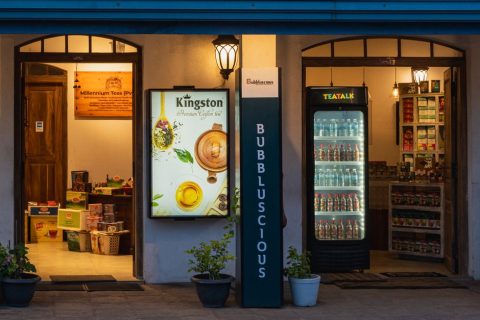
Hedhikaa Tea Shop Culture
Malé runs on hedhikaa, bite-sized short eats like fried fish rolls, sweet coconut bajiya, and tuna-stuffed pastries served in unmarked neighbourhood cafes throughout the afternoon. These tea shops, concentrated in the residential blocks away from the tourist waterfront, are where office workers and fishermen gather over strong milk tea rather than for any curated visitor experience. Ordering is informal: plates of hedhikaa are laid on the table and you pay for what you have eaten. Prices rarely exceed a couple of dollars per item, and the food changes shop to shop depending on who is cooking that day. It is less a single attraction than a ritual, but sitting through one round of tea and snacks gives a far truer sense of daily Malé life than any monument.
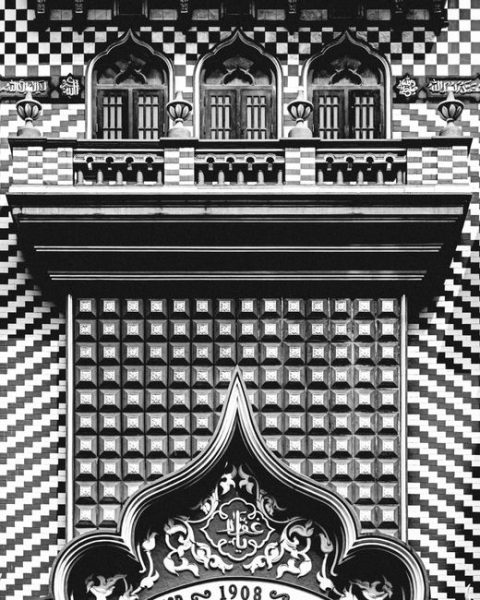
Muleeaage (Muleeaage Palace)
Tucked behind manicured hedges near the Grand Friday Mosque, Muleeaage is a colonial-era palace built in the early 20th century for a sultan who never got to live in it. Today it functions as the official residence of the Maldives presidency, so entry inside is not possible, but the elegant white facade, arched verandas, and palm-lined gates are visible from the street and rarely photographed by visitors who walk right past. Guards are relaxed about people pausing outside for photos, and the surrounding lane offers a glimpse of Malé's more genteel, less commercial side. It is a five-minute detour from the main mosque crowds that almost nobody bothers to make, despite the building's role in the countrys transition from sultanate to republic.
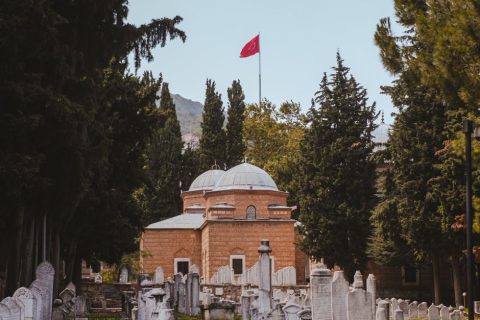
Sultans Graveyard (Coral Tombstones)
Wedged along the outer wall of the Old Friday Mosque complex, this small walled cemetery holds the intricately carved coral-stone headstones of former sultans, nobles, and religious scholars. Unlike the mosque itself, most visitors never notice the gate leading in, so the space stays still and shaded, thick with frangipani and centuries of weathered script. The Thaana and Arabic calligraphy etched into each stone marks rank and lineage, and a few tombs are capped with delicate lacquered wooden canopies, a craft nearly lost today. There is no signage pointing tourists here, which is exactly why it rewards a slow, curious look. Modest dress and quiet footsteps are appreciated, as local families still visit to pay respects.
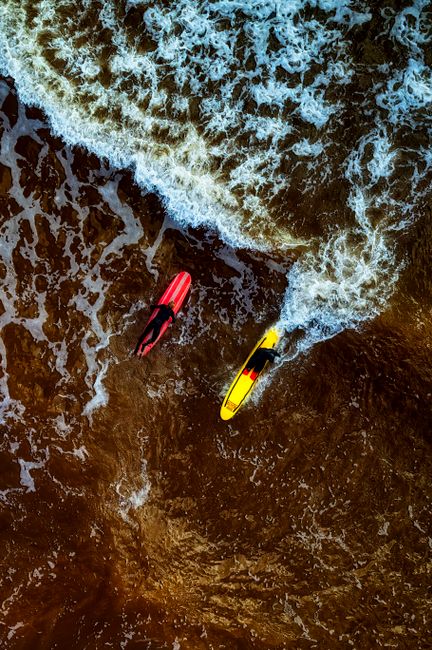
Raalhugandu (Surfers Point)
At the northeastern tip of Malé, where the seawall curves out to meet open ocean, Raalhugandu is the local surf break where Maldivian surfers, not tour groups, gather at dawn and dusk. There is no beach here, just a rocky point break and a strip of seawall where friends sit with tea from nearby stalls to watch the sets roll in. Surfboards can occasionally be rented informally from regulars, though most visitors come simply to watch rather than paddle out. Late afternoon light on the swell makes it a favourite spot for photographers who never venture past Rasfannu a few minutes away. It is one of the few places in the capital where the ocean feels genuinely local rather than staged for tourism.
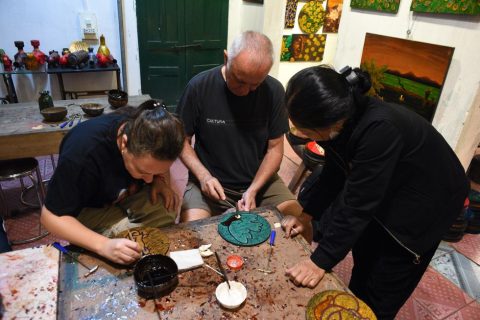
Lacquerware and Handicraft Workshops
Scattered in small shopfronts around the market streets behind Chandhanee Magu, a handful of artisans still practise liyelaa jehun, traditional Maldivian lacquer work, turning wood on hand-cranked lathes and layering it with red, black, and yellow resin in geometric patterns. The craft, once reserved for royal households, is now kept alive by only a few families, and their tiny workshops double as sales counters for boxes, bowls, and ornaments. Watching the lathe work in progress, when a craftsperson happens to be at it, is far more memorable than buying the finished souvenir elsewhere. Bargaining is expected but should stay good-natured, since these makers are sustaining a genuinely endangered skill rather than mass-producing trinkets.
Tips for Hidden Gems
- Most of these spots sit in residential Malé, so dress modestly and keep noise down out of respect for locals.
- Hedhikaa tea shops are busiest in the late afternoon, right before evening prayers.
- Raalhugandu is best visited near sunset when local surfers are out and the light is softest.
- Malé is compact enough to walk between all five of these in under two hours.