Plan your trip to Malé
- How long
- 1 day in Malé (before or after a resort), plus Hulhumalé and Villingili.
- Best for
- Stopover travellers: a tiny, dense capital with an old coral-stone mosque and a fish market.
- Skip it if
- You want beaches and lagoons: those are on the resort islands, not in Malé.
If you only do three things
- The Old Friday Mosque (Hukuru Miskiy) and Medhu Ziyaarath.
- The Grand Friday Mosque exterior and the Malé Fish Market.
- Hulhumalé or Rasfannu beach.
A one-day route
- Morning: The Old Friday Mosque and the National Museum.
- Midday: Lunch at a local café.
- Afternoon: The fish and local markets.
- Evening: Sunset at Rasfannu; dinner in Hulhumalé.
Before you go
- Velana Airport is on its own island; a short speedboat or the Sinamalé Bridge links to Malé.
- Dress modestly in Malé; alcohol is not available outside resorts.
- Many guesthouses on local islands are an affordable alternative to resorts.
- Check ferry and speedboat timetables.
Prices, opening status and transport in this plan checked against official sources on 1 October 2026.
Things to do in Malé
Malé's spiritual landmarks trace the Maldives' journey from Buddhist kingdom to Islamic sultanate. From centuries-old coral-stone mosques carved with intricate lacquer work to the golden dome that dominates the skyline, these sites anchor the nation's identity as 100% Sunni Muslim since the 12th century.
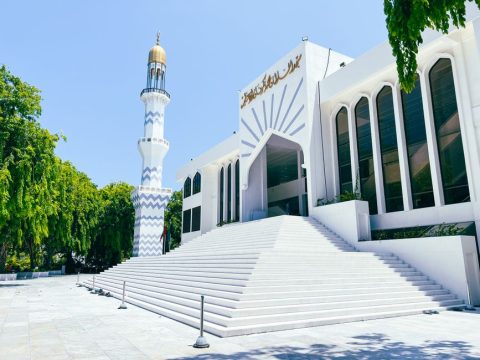
Grand Friday Mosque (Islamic Centre)
Malé's most photographed landmark, this golden-domed mosque was completed in 1984 as a gift funded largely by international Islamic donors, and it remains the largest mosque in the Maldives, holding up to 5,000 worshippers. The gleaming dome dominates the city's low-rise skyline and is visible from the sea long before the island itself comes into view. Marble floors, calligraphy panels, and a soaring minaret give the interior a cool, hushed grandeur that contrasts with Malé's crowded streets outside. Non-Muslim visitors can usually admire the exterior and courtyard, though interior access is limited to prayer times and modest dress is required.
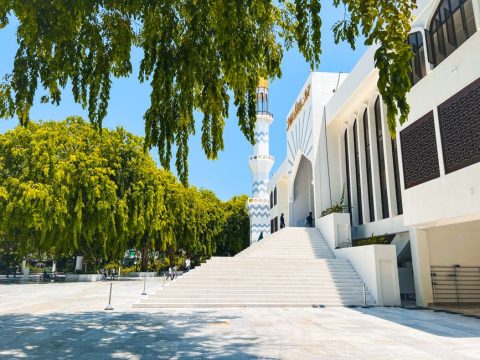
Old Friday Mosque (Hukuru Miskiy)
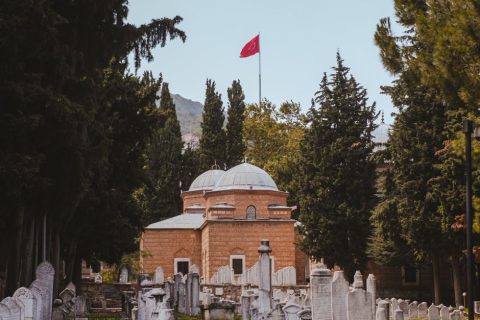
Built in 1656 from intricately carved coral stone, this is the oldest surviving mosque in the Maldives and one of the finest examples of Islamic coral craftsmanship anywhere, currently on UNESCO's tentative World Heritage list. Panels of Arabic calligraphy and floral lacquer-work cover the interior walls, while the surrounding cemetery holds elaborately carved coral tombstones marking sultans and nobles. The adjoining minaret, added later, is built from coral blocks bound with lime. Restoration work has stabilized the fragile coral structure, but conservation is ongoing given the material's vulnerability to humidity and salt air.
Medhu Ziyaarath
Standing beside the Old Friday Mosque, this small domed shrine marks the tomb of Abu al-Barakat Yusuf al-Barbari, the North African scholar credited with converting the Maldivian king to Islam in 1153, ending the islands' Buddhist era. The modest coral-and-timber structure is one of the few remaining pieces of the original 12th-century religious complex. It is not open for entry, but visitors can view the exterior and appreciate its role as the symbolic starting point of Maldivian Islamic history, tucked into the same historic compound as the older mosque.
Tips for Religious Sites
- Dress modestly — shoulders and knees covered — before approaching any mosque, and remove shoes at the entrance
- Non-Muslims are generally welcome in mosque courtyards but should avoid entering during prayer times (five times daily)
- Photography is usually fine outside; always ask permission before photographing worshippers
- Visit the Old Friday Mosque's cemetery quietly — the carved headstones are historic grave markers, not tourist props
Despite its small size, Malé holds the country's principal repositories of royal, archaeological, and contemporary Maldivian culture, from pre-Islamic coral carvings to modern Maldivian painting.
National Museum
Set inside a three-story building on the former palace grounds of Sultan Park, the National Museum houses the Maldives' most important collection of royal regalia, ceremonial weapons, and archaeological artifacts, including relics from the pre-Islamic Buddhist period. Thrones, sultans' robes, and lacquered chests trace the sultanate's history, while an upper floor covers the transition to independence and the modern republic. A number of the museum's pre-Islamic stone carvings were destroyed by extremists in 2012, a loss still referenced by guides today. It remains the best single stop for understanding Maldivian history beyond the beach.
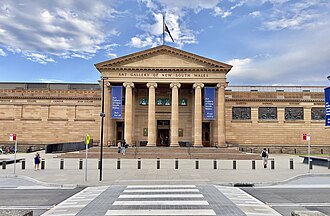
National Art Gallery
The National Art Gallery is at the National Centre for the Arts, Olympus Complex, Han'dhuvarudhey Hingun.contemporary Maldivian painting, photography, and craft. Rotating exhibitions feature local artists working in styles ranging from traditional lacquer and reef-motif art to modern abstraction addressing themes like climate change and island life. It offers a useful counterpoint to the National Museum's historical focus, giving visitors a sense of how Maldivian identity is being expressed today. Entry is inexpensive and the space is small enough to see thoroughly in under an hour.
Tips for Museums & Galleries
- Photography is often restricted inside the National Museum — check signage before shooting
- Combine both museums with a walk through neighboring Sultan Park for a half-day cultural loop
Malé is compact enough to walk end to end in under an hour, and its waterfront squares and market streets are where the city's daily life — fishing, trading, and gathering — plays out in full view.
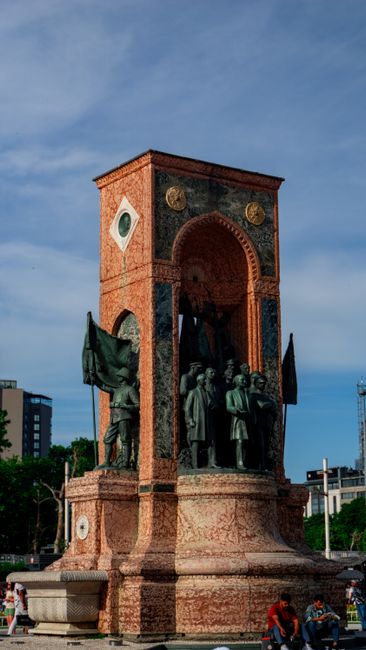
Republic Square (Jumhooree Maidhaan)
The symbolic center of the capital, this open waterfront square hosts national ceremonies, flag-raisings, and Independence Day celebrations. Facing the harbor, it's flanked by government buildings and offers one of the few unobstructed sea views in central Malé, making it a popular evening gathering spot as the heat of the day fades. The adjacent tsunami memorial adds a somber note to what is otherwise the city's most open, breathable public space — a rarity on an island this densely built.
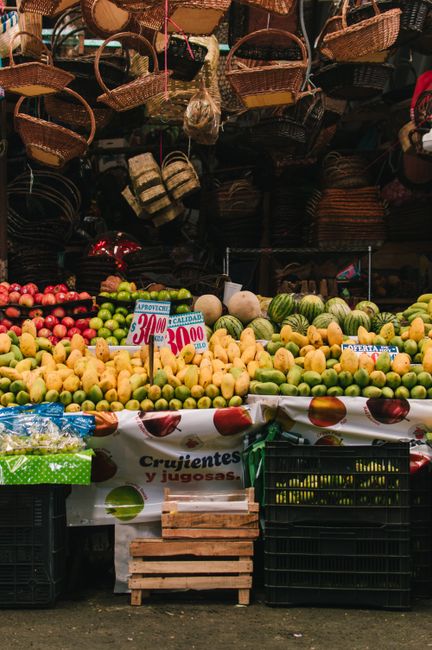
Malé Local Market
A lively, no-frills market where produce, root vegetables, and reef fish arrive daily by boat from outlying atolls. Stalls piled with coconuts, bananas, breadfruit, and betel leaf give a genuine sense of what feeds the capital, far removed from resort dining. Vendors are generally happy to chat, and it's one of the few places in Malé where everyday island commerce unfolds in the open. Mornings are busiest and most photogenic, with boats still unloading along the adjacent harbor wall.
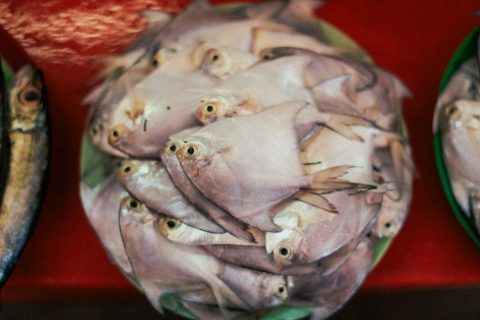
Malé Fish Market
Steps from the produce market, this harborside hall is where the day's tuna catch is auctioned, gutted, and sold — the Maldives' economy has historically run on tuna fishing as much as tourism. Fishermen haul in skipjack and yellowfin by the boatload, and the rhythmic cutting and bartering makes for one of Malé's most authentic sensory experiences. It's raw and unpolished rather than styled for visitors, best appreciated as a working slice of Maldivian life. Go early morning or late afternoon when boats return with fresh catch.
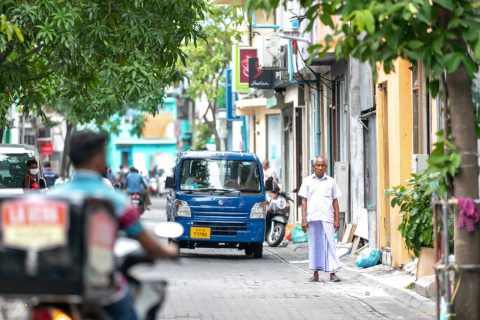
Chandhanee Magu
Once Malé's premier shopping street lined with duty-free jewelry and souvenir boutiques, Chandhanee Magu remains a good stop for Maldivian handicrafts, lacquer boxes, and reef-themed souvenirs. It runs close to the harbor and the Grand Friday Mosque, making it easy to combine with sightseeing. While land reclamation and newer malls have pulled some retail energy toward Hulhumalé, the street still captures a slice of old-Malé commercial character that's worth a slow wander.
Tips for Squares & Streets
- Bargaining is light but acceptable at souvenir stalls, not at the food markets
- Visit the fish and produce markets before 9am for the freshest activity and best light
- Friday mornings are quieter citywide as shops open later around prayer times
Green, open space is scarce on an island this crowded, which makes Malé's handful of parks and its one artificial beach disproportionately valuable to residents seeking air, shade, and sea breeze.
Rasfannu (Artificial Beach)
Malé has no natural beach of its own, so this reclaimed strip on the island's northeastern edge fills the gap, complete with imported sand, a breakwater-protected swimming area, and a promenade lined with food stalls. In the late afternoon it fills with joggers, football games, and families escaping the heat, and by sunset the sky over the water draws a steady crowd with phones out. It's the most reliable place in the city center to swim, and one of the best free sunset viewpoints in Malé.
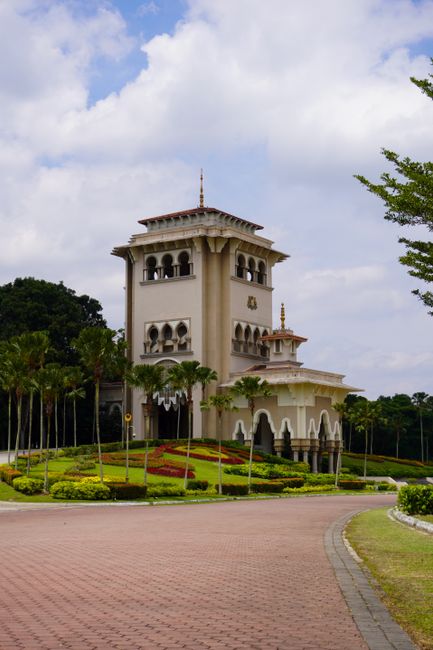
Sultan Park
The last surviving fragment of the old royal palace grounds, this shaded garden of frangipani and palm trees sits right in the city center and houses the National Museum on its grounds. Ornamental ponds, stone pathways, and mature trees make it a rare pocket of quiet greenery amid Malé's dense concrete streets. It's a favored spot for locals to rest during the midday heat, and its historical layer — as the former seat of the sultanate — adds context to a visit to the neighboring museum. Small, but a necessary breather on a walking tour of the city.
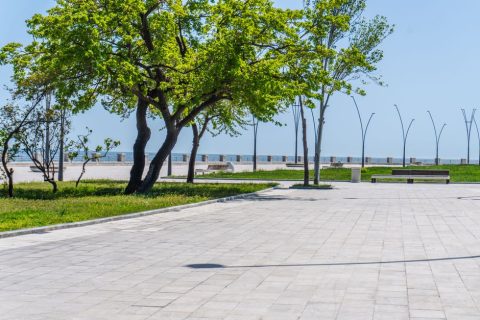
Rasrani Bageecha (Sea Breeze Park)
A small waterfront garden along Boduthakurufaanu Magu, the ring road tracing Malé's coastline, offering benches and shade with unobstructed views of the harbor traffic and neighboring islands. It's a low-key spot rather than a destination in itself, best used as a rest stop while walking the seafront promenade, particularly in the cooler early morning or early evening hours when the sea breeze is strongest.
Tips for Parks & Gardens
- Rasfannu gets crowded around sunset — arrive slightly early to claim a spot on the breakwater
- Swimwear at the artificial beach should be modest in line with local dress norms; a t-shirt over swimwear is common practice for women
"Greater Malé" now spans several connected islands, from the historic core to reclaimed land and satellite communities reachable by bridge or a short ferry hop, each with its own pace and character.
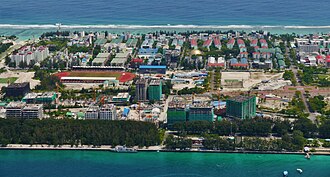
Hulhumalé
A vast reclaimed island built to relieve Malé's chronic overcrowding, Hulhumalé now has wider streets, its own beach, parks, and a growing skyline of hotels and apartment blocks. Connected to Malé and the airport by the Sinamalé Bridge, it has become the preferred base for many visitors thanks to more affordable guesthouses and a proper swimming beach. It feels noticeably more spacious and orderly than the old city, offering a useful contrast to Malé's dense, historic streets — some call it the "new Malé."
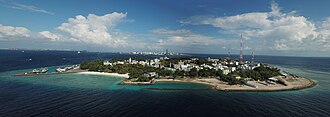
Villingili (Vilimalé)
A quieter residential island a short ferry ride from central Malé, Villingili offers a laid-back escape with its own beach, jogging track, and far less traffic than the capital. Locals come here to swim, picnic, and unwind away from the density of the main island. It's an easy half-day trip that shows a more residential, slower-paced side of Maldivian island life, with fewer tourists than Hulhumalé.
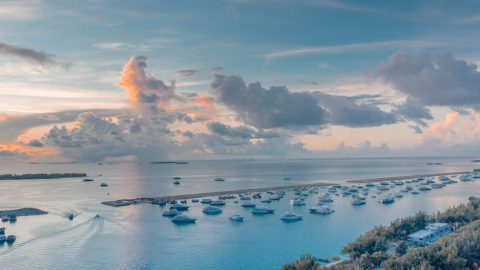
Boduthakurufaanu Magu Waterfront
The ring road that traces almost the entire coastline of Malé, this waterfront promenade is the best way to orient yourself around the island and watch the constant traffic of ferries, cargo dhonis, and fishing boats. Walking it end to end takes under two hours and passes the harbor, fish market, and several viewpoints across to Hulhulé (airport island) and Hulhumalé. It's especially pleasant in the early morning or after sunset when the heat eases.
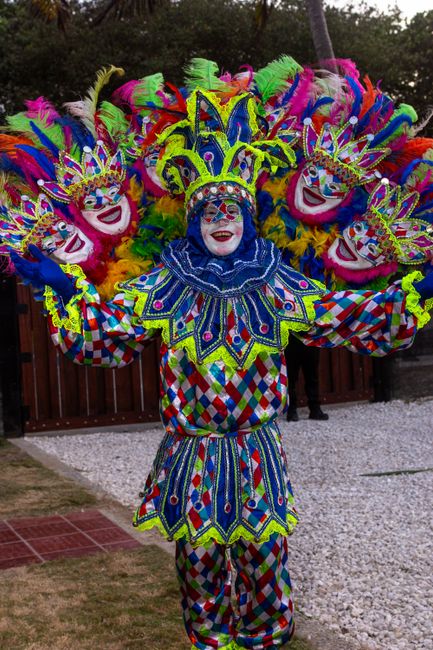
Alimas Carnival
A small waterfront amusement park with a Ferris wheel, rides, and food stalls, popular with local families in the evenings. It's not a major sightseeing draw, but the Ferris wheel offers a rare elevated view over Malé's rooftops and the harbor lights after dark, and the surrounding food stalls make it a good casual dinner stop. A pleasant, low-cost way to see the city from above without a rooftop bar.
Tips for Neighborhoods & Districts
- The bridge has a pedestrian path; check conditions locally before walking across. — cross by taxi, bus, or bicycle, not on foot
- Ferries to Villingili run frequently and cheaply from the Malé harbor; buy tickets at the jetty counter
With no cars-first infrastructure and streets barely wide enough for two motorbikes, Malé runs on a mix of ferries, dhonis, and a landmark bridge connecting it to the airport and its satellite islands.
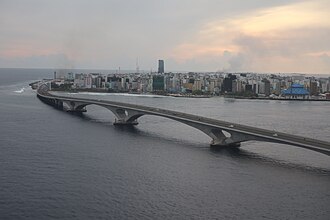
Sinamalé Bridge
Opened in 2018 and funded by China, this 1.4km bridge was the Maldives' first, linking Malé to the airport island of Hulhulé and onward to Hulhumalé. Before it existed, every trip to the airport required a boat. Buses and taxis now cross regularly, and the views along the way — open ocean on both sides — are some of the best free scenery in the greater Malé area. It fundamentally changed daily life in the capital by ending its total dependence on ferries.

Velana International Airport
The Maldives' main gateway sits on its own island, Hulhulé, a short bridge or ferry ride from central Malé. Famous for a runway that appears to float on the ocean, it also hosts a seaplane terminal that whisks arriving guests directly to remote resort atolls — watching seaplanes take off and land is a minor spectacle in itself. Most visitors transit through quickly, but the terminal's waterfront setting is worth a glance if you have time between connections.
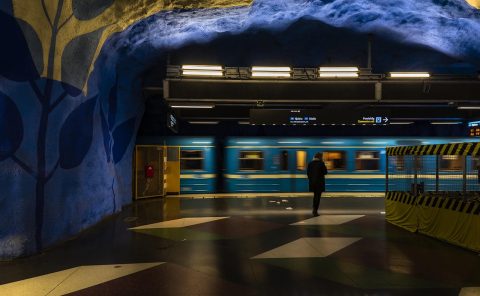
Malé Public Ferry Terminal
The hub for inter-island travel, this harborside terminal runs scheduled ferries to Villingili, Hulhumalé, and outlying atoll islands, alongside speedboat operators serving local islands like Maafushi. It's chaotic but functional, and riding a public ferry is the cheapest way to see the surrounding lagoon and get a sense of how Maldivians actually get around, away from resort speedboat transfers.
Tips for Transportation
- Public ferries are far cheaper than resort speedboats but run on fixed schedules — check times in advance
- Malé taxi fares are fixed; agree on the fare before the ride.
- Walking is often faster than a taxi for short hops within central Malé given the narrow streets
Malé's real draw for most visitors is what surrounds it: reef walls, shipwrecks, and manta cleaning stations reachable within an hour of the harbor, making the capital a launchpad for world-class diving and snorkeling rather than a destination in itself.
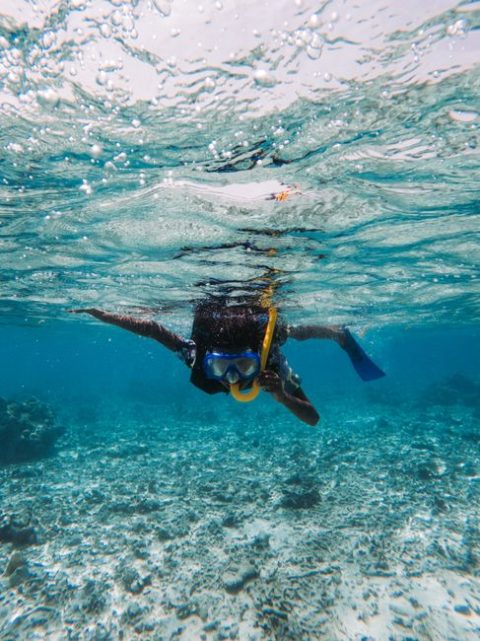
Snorkeling & Diving at Banana Reef
One of the most famous dive sites in the world, discovered by pioneering divers in the 1970s, Banana Reef sits in North Malé Atoll a short boat ride from the capital. Its steep coral walls, overhangs, and caves teem with reef sharks, moray eels, turtles, and dense schools of reef fish. Both certified divers and confident snorkelers can enjoy it, with numerous operators in Malé and Hulhumalé running half-day trips. It remains a benchmark against which other Maldivian dive sites are measured.
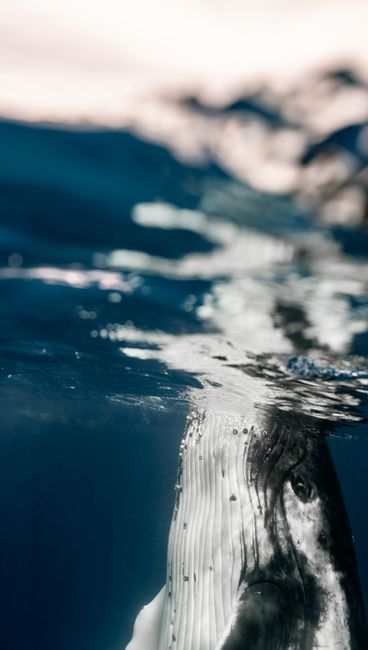
Whale Submarine Maldives
A genuine passenger submarine departing near Malé that descends to around 30-40 meters, giving non-divers a real underwater experience through large viewports without getting wet. Coral walls, reef fish, and occasionally larger pelagic species pass by as the vessel cruises slowly along a reef drop-off. It's a popular option for families, older travelers, or anyone wanting an easy taste of the reef without diving certification.
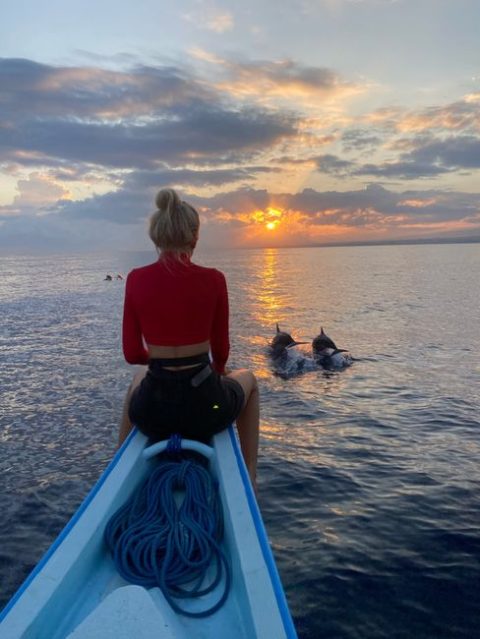
Sunset Dolphin Cruise
A relaxed evening boat trip out of Malé's harbor in search of spinner dolphins, which are frequently spotted riding the bow wake in the channels around the atoll. Combined with the sun setting over open ocean, it's a favorite low-effort activity for visitors with limited time, typically lasting a couple of hours and requiring no swimming ability or gear. Multiple operators run near-daily departures from the city harbor.
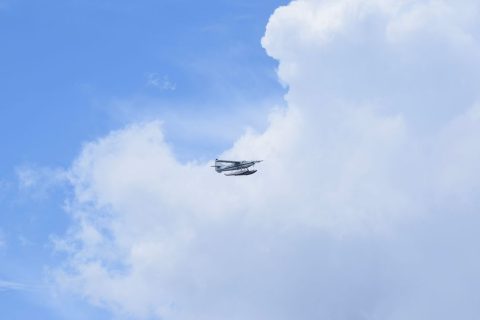
Scenic Seaplane Flight
Departing from the seaplane terminal at Velana International Airport, short scenic flights loop over the atolls surrounding Malé, revealing the Maldives' signature ring-shaped reefs and turquoise lagoons from above — the view most people associate with the country. Even a 20-30 minute flight delivers dramatic photography opportunities and a clear sense of the atoll geography that's impossible to grasp at sea level.
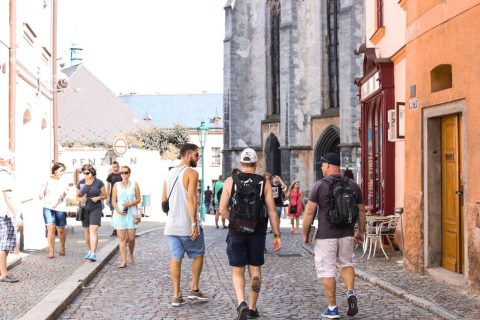
Walking Tour of Old Malé
A self-guided or guided loop through the historic core — Old Friday Mosque, Sultan Park, the fish and local markets, and Republic Square — that covers the city's essential sights in a half-day on foot, entirely feasible given Malé's small footprint. Local guides add context on Maldivian history and daily life that's easy to miss walking alone, particularly around the mosque compound and cemetery.
Tips for Tours & Activities
- Book dive and snorkel trips a day ahead in high season (December-April) when demand peaks
- Bring reef-safe sunscreen — regular sunscreen is discouraged near coral sites
- Seaplane flights are weather-dependent and often cheaper as an add-on to resort transfers than as a standalone tour
Malé's real hinterland is water: dozens of local and resort islands sit within an hour or two by speedboat, offering beaches, reefs, and a different pace of island life entirely absent from the crowded capital.
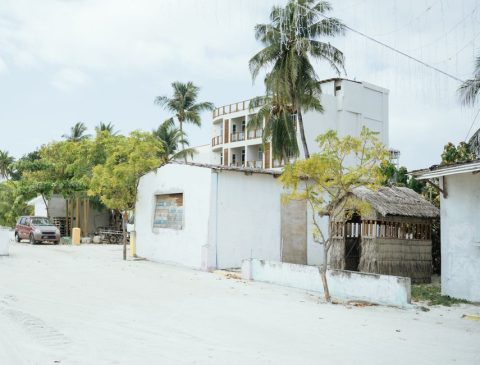
Maafushi Island
The most popular local island for budget travelers, Maafushi in South Malé Atoll became a tourism hub after guesthouses were legalized on inhabited islands in 2009. About 60-90 minutes from Malé by speedboat or ferry, it offers white-sand bikini beaches (a rarity on local islands, ring-fenced from the main village beach) alongside affordable diving, snorkeling, and jet-ski rentals. It's the easiest way to experience a real Maldivian community rather than an isolated resort.
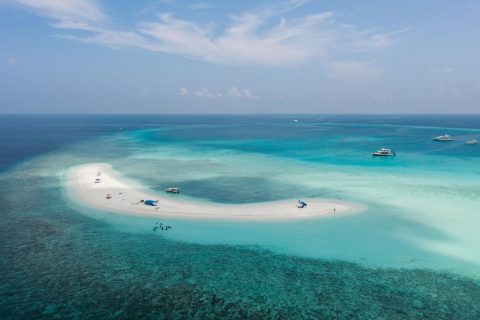
North Malé Atoll Snorkeling & Sandbank Picnic
Full or half-day boat excursions from Malé combine snorkeling at multiple reef sites with a stop on an uninhabited sandbank — a strip of pure white sand surrounded by shallow turquoise water, often used for a beach barbecue lunch. It's a classic Maldives postcard experience and one of the most accessible ways to see the "empty island" aesthetic without booking an overwater resort villa.
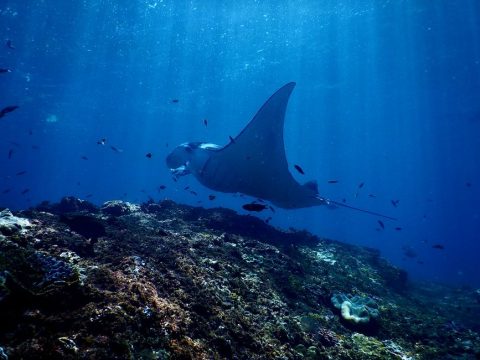
HP Reef & Manta Point Diving
Two of North Malé Atoll's signature dive sites, reachable on day trips from the capital. HP Reef (Girifushi Thila) is known for its dense soft coral overhangs and swim-throughs, while Manta Point is a seasonal cleaning station where manta rays glide in to be cleaned by small reef fish, best visited during the southwest monsoon (June-November). Both require a boat trip organized through Malé or Hulhumalé dive operators.
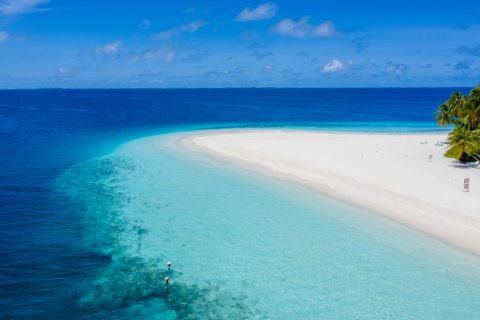
Guraidhoo
A local island in South Malé Atoll known for its surf breaks along the outer reef, drawing a smaller, more laid-back crowd than Maafushi. It has its own bikini beach, several guesthouses, and easy access to nearby surf spots and dive sites, making it a good alternative for travelers wanting local-island life with a wave-riding focus.
Tips for Day Trips & Excursions
- Bikini/swimwear is only permitted on designated tourist beaches on local islands like Maafushi and Guraidhoo, not the main village beach
- Manta sightings are seasonal — check current conditions with operators before booking a Manta Point trip
- Speedboat transfers are faster but pricier than public ferries; budget travelers can reach Maafushi by public ferry with a transfer
Malé sits in a Muslim-majority nation where Christmas is not a public holiday and the city has no historic Christmas market tradition. Instead, the festive spirit in December 2026 shows up through resort-style holiday dinners, harbour light displays, and seasonal seafood feasts aimed at the international travelers passing through the capital on their way to nearby island resorts.
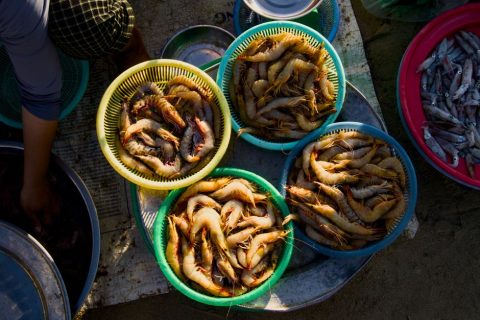
Malé Local Market Holiday Seafood Stalls
The bustling Malé Local Market along the northern harbourfront keeps its everyday rhythm through December, but stallholders lean into the season with extra displays of reef fish, tuna, and reef lobster for holiday feasts headed to nearby resort kitchens. Visitors can watch fishermen unload the morning catch and pick up dried fish, tropical fruit, and spice packets as edible souvenirs. It is one of the few places in the capital where the holiday bump in demand is visible without any artificial festive staging. Expect the liveliest stalls between 7am and 11am, when boats return from overnight trips. It is a short walk from most guesthouses in the old town, making it an easy add-on to a morning stroll before a ferry transfer to a resort island.
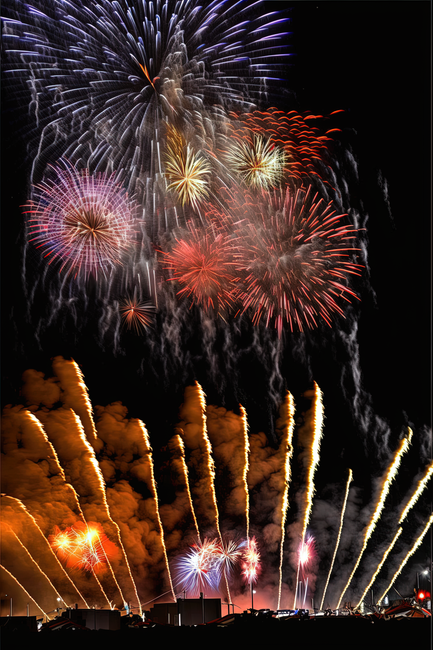
New Years Eve Fireworks over Malé Harbour
While Christmas itself passes quietly, New Years Eve draws crowds to the seafront promenade near the fishing harbour and Republic Square, where the city puts on a fireworks display visible from the waterfront and from boats moored offshore. Families and visitors gather along the sea wall from around 10pm, with street vendors selling snacks and cold drinks. Many nearby resort islands time their own firework shows to overlap, creating a chain of light across the atoll that can be seen from the capital on a clear night. Arrive early to claim a spot on the harbour wall, since space fills quickly. It is a free, low-key alternative to the private countdown parties held at resort properties a short speedboat ride away.
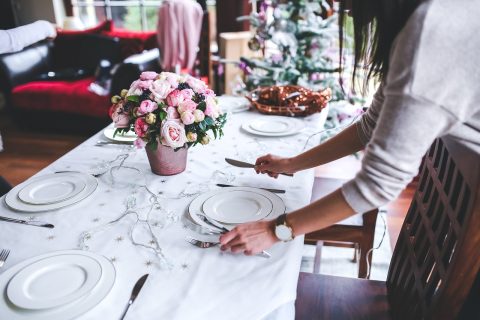
Festive Dinners at Nearby Resort Islands
Travelers based in Malé for a night or two before island transfers often book a day pass or dinner transfer to a resort a short speedboat ride away, where Christmas Eve and Christmas Day are marked with beachside barbecue buffets, decorated lobbies, and the occasional visiting Santa for children. These events are aimed squarely at foreign guests rather than local tradition, but they are the closest equivalent to a festive market experience in the area, often including live music and craft stalls selling local handicrafts and jewelry. Reservations should be made well ahead of December, since resorts cap numbers for these evenings. Speedboat transfers from Malé typically take between 15 and 45 minutes depending on the island chosen.
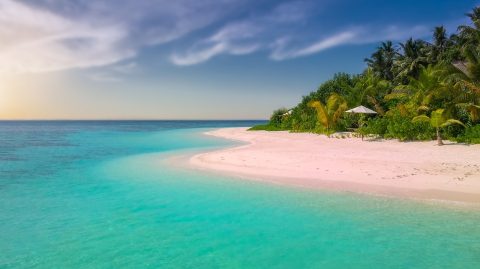
Hulhumalé Beach Holiday Light Displays
Across the bridge from Malé, the planned district of Hulhumalé strings up seasonal lights along its public beach promenade each December, drawing families for evening walks, beach volleyball, and pop-up food carts selling grilled corn and short eats. It is more of a community gathering spot than a market, but the relaxed, well-lit strip gives visitors a genuine local take on the holiday season away from resort pricing. The beach path is easiest to reach by taxi or the local ferry from Malé, and the lights are usually up from early December through the first week of January. Sunset is the best time to arrive, before the evening crowds settle in for the night.
Tips for Christmas Market
- Christmas is not a public holiday in the Maldives, so shops and government offices in Malé operate on normal hours through December.
- Book resort day-trip or dinner transfers for Christmas Eve and Christmas Day well in advance, since capacity is limited and prices peak.
- New Years Eve is the bigger celebration locally; arrive at the harbour promenade early for a good fireworks viewpoint.
- Dress modestly when visiting the Local Market and other public areas of Malé, even during festive outings.
Malé packs a surprising amount of family fun into its compact grid of streets, from shaded neighborhood parks with slides and swings to sprawling green spaces just across the bridge in Hulhumalé. Between play sessions, air-conditioned arcades and splash areas give little ones a break from the tropical heat.
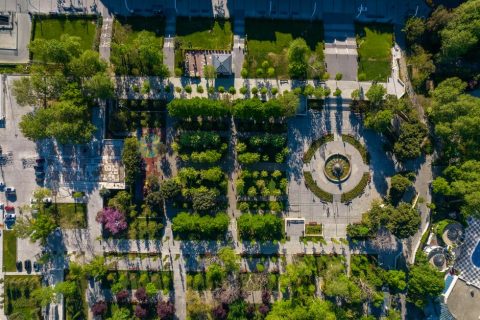
Hulhumalé Central Park
Across the Sinamalé Bridge in the newer district, Hulhumalé Central Park is by far the largest and most modern family green space in greater Malé. The park spans a wide stretch of landscaped lawns, jogging tracks, fountains, and a generously sized playground with slides, climbing nets, and swings scaled for different age groups. Food carts and small cafés line the edges, so parents can grab a snack while kids run around the open lawns or splash near the fountain area on hot afternoons. Unlike the older citys tighter parks, there is enough space here for ball games, kite flying, or simply letting toddlers wander safely. Evenings are especially popular with local families, and the park stays lit and active well after dark. Combine it with a walk along the nearby Hulhumalé beachfront for a half-day outdoor family outing away from the density of downtown Malé.
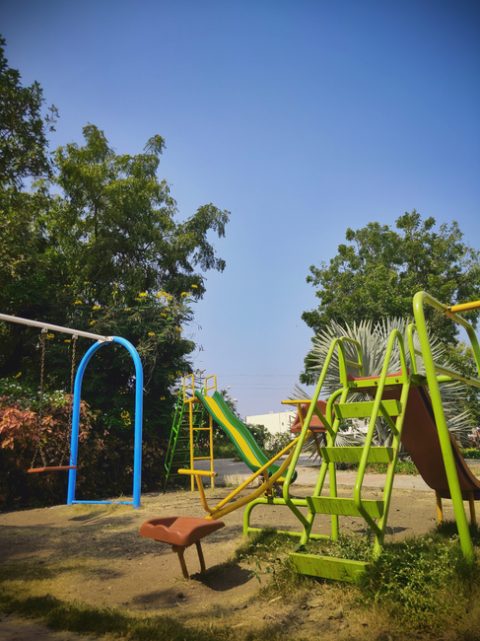
Kudakudhinge Bageecha (Childrens Park)
Tucked into the heart of the capital, Kudakudhinge Bageecha is a small, well-shaded playground built specifically with toddlers and young children in mind. Expect brightly painted slides, swings, seesaws and climbing frames spread across a compact, fenced-in green space that feels like a quiet break from Malés busy streets. Local families gather here in the late afternoon once the heat softens, making it a good spot to let kids burn off energy while parents relax on the surrounding benches. It is free to enter, low-key, and easy to combine with a stroll through nearby neighborhoods. There is minimal shade cover directly over the equipment, so a mid-morning or early-evening visit is more comfortable than midday. Facilities are basic but well maintained, and the park is popular enough that it rarely feels empty, giving children the chance to play alongside local kids.
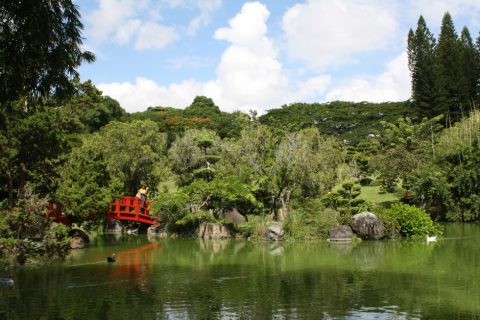
Bandaara Kilhi Park
Bandaara Kilhi is a landscaped park built around one of Malés last remaining natural freshwater lakes, offering a rare patch of calm water and greenery in an otherwise dense city. Paved walking paths circle the lake, and a dedicated play area with swings and climbing structures keeps younger visitors entertained while older kids enjoy spotting the resident birdlife and occasional monitor lizards. Benches and open lawns make it comfortable for families to linger, and the paths are stroller-friendly, which is not always guaranteed in Malés narrow streets. Evenings bring a noticeably cooler breeze off the water, and the park fills with joggers and local families, giving it a lively, safe atmosphere after sunset. It is a good stop for an easy, unstructured hour outdoors between more structured sightseeing, and admission is free with no set hours beyond general daylight courtesy.
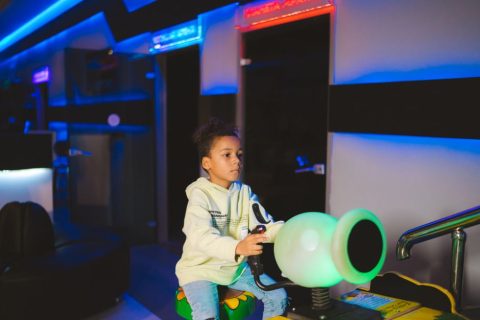
Funworld Arcade & Indoor Play Center
When the tropical heat or an afternoon downpour makes outdoor play impractical, Funworld and similar indoor arcades scattered through Malés shopping areas offer air-conditioned relief with video games, ticket-redemption machines, small ride simulators, and soft-play zones for younger children. These centers are typically found on the upper floors of city malls and are a favorite after-school stop for local families, giving visiting kids a chance to mix with Maldivian children in a casual setting. Pricing is usually pay-per-play or token-based, and most centers have a snack counter nearby for a quick treat. It is not a polished, large-scale attraction on the level of an international theme park, but as a reliable rainy-day or midday-heat backup it fills a real gap in Malés outdoor-heavy sightseeing itinerary. Opening hours generally follow mall hours, stretching into the evening.
Tips for With Kids
- Visit outdoor parks in the early morning or after 4pm to avoid peak heat and direct sun.
- Carry water and sun protection, as shade is limited at most playgrounds.
- Hulhumalé Central Park is easiest reached by taxi or the public bus over Sinamalé Bridge rather than on foot from old Malé.
- Indoor arcades are a handy fallback during the rainy season (May-November) when sudden downpours are common.
Malé's public calendar is shaped by the Islamic lunar year and national commemorations, giving the tiny capital a rhythm of night markets, communal feasts, and flag-lined parades. Below are the recurring 2026 happenings most visible to visitors staying in or passing through the city.
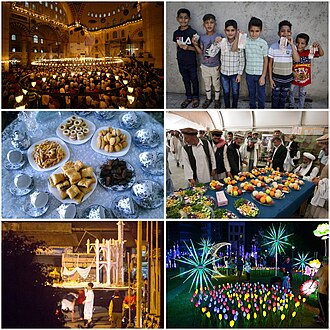
Kuda Eid Celebrations (Eid al-Fitr)
Marking the end of Ramadan, Kuda Eid is The 2026 academic calendar lists Eid al-Fitr on March 20, with holidays March 21–22., and Malé empties out as families gather for communal prayers at Islamic Centre and the city's mosques at dawn. The rest of the day turns into an island-wide open house: households prepare short eats and Maldivian sweets, children receive small gifts, and neighbourhoods host informal visits from door to door. In the late afternoon, Malé's waterfront parks and the artificial beach fill with families out for the evening, and firework displays are common after dark on the first night. Public offices and shops close for the holiday, so it is a quiet, low-commerce period for visitors, but a genuinely festive one for observing local life. The Islamic Centre itself, with its golden dome, becomes a focal point for the morning prayer crowds.
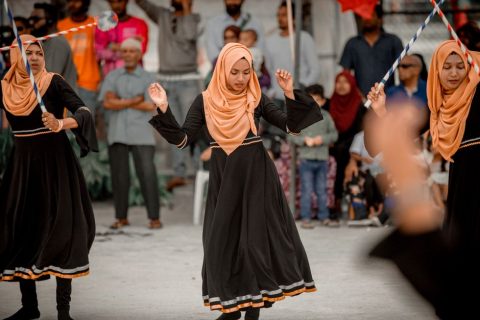
Maldives Independence Day Celebrations
Independence Day is observed on July 26; the 2026 calendar also lists July 27 as an additional holiday., Independence Day commemorates the Maldives' 1965 release from British protection and is Malé's largest fixed-date national event. The evening of the 25th brings a formal ceremony and cultural performances at the national stadium, followed by a fireworks display over the harbour that draws crowds to the waterfront. On the 26th, a military and school parade moves through the streets near the Republic Square, with buildings and government offices draped in red, green, and white bunting for the week surrounding the holiday. Traditional boduberu drumming groups often perform in public squares during the lead-up. Traffic and ferry schedules can shift around the parade route, so visitors sightseeing that day should expect some street closures near the square and stadium in the late afternoon and evening.
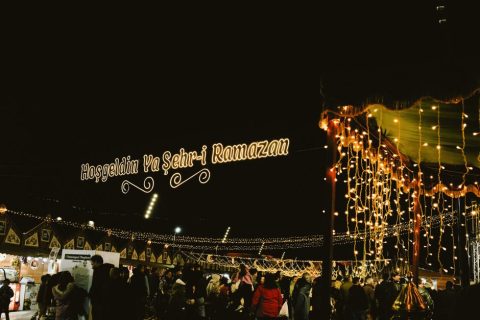
Ramadan Night Market in Malé
From roughly February 18 to March 19, 2026, Malé shifts to a nocturnal rhythm for the fasting month. Stalls along Chandhanee Magu and near the local market fill with hedhika snacks, fresh juices, and short eats sold only after sunset, while the harbour front hosts informal food fairs each evening once the Maghrib call to prayer ends the day's fast. Locals shop for new clothes and iftar ingredients in the hours before dusk, and the pace noticeably slows during the day. Visitors are welcome to browse the market stalls and sample food, though eating or drinking in public during daylight hours is discouraged out of respect. The atmosphere builds through the month, peaking in the final ten nights before Eid, when stalls stay open later and the market grows noticeably busier and more festive.
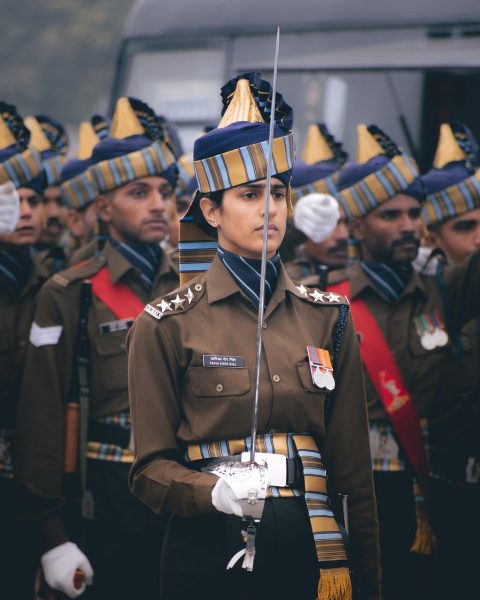
Maldives Republic Day Parade
Republic Day falls on November 11, 2026, marking the anniversary of the Maldives becoming a republic in 1968. The main event is a morning parade through central Malé featuring the Maldives National Defence Force, police units, and school marching bands, typically starting near the Republic Square and passing government buildings along Medhuziyaarai Magu. A televised address and flag-raising ceremony precede the parade, and many residents line the streets or watch from balconies along the route. Evening cultural shows featuring traditional dance and boduberu drumming are often staged at the open grounds near the stadium. As with Independence Day, expect brief road closures along the parade route during the mid-morning hours, and a generally festive, flag-decorated city centre for several days beforehand.
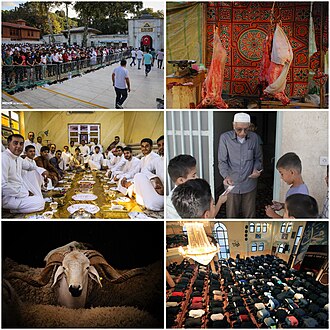
Big Eid Festivities (Eid al-Adha)
The 2026 calendar lists Hajj Day on May 26, Eid al-Adha on May 27, and following holidays May 28–30., Big Eid coincides with the Hajj season and is observed in Malé with morning congregational prayers followed by a day of family visits and shared meals. Unlike in some countries, home slaughter is not practised in the capital; instead, families typically buy prepared meat or donate to charity funds that distribute food to those in need. The three days carry a slower, more reflective tone than Kuda Eid, with many residents travelling to home islands to be with extended family, leaving Malé itself quieter than usual. Shops in the local market stock imported mutton and goat in the days beforehand, and the harbour sees a noticeable dip in ferry commuter traffic as people head out to other atolls. Visitors will find some smaller shops and cafes closed for at least one of the holiday's three days.
Tips for Events Calendar
- For 2026, use the published Maldives calendar dates, while checking for official updates.
- During Ramadan, avoid eating or drinking in public during daylight hours out of respect for those fasting.
- Shops, banks, and government offices close for multiple days around both Eid holidays and Independence Day.
- Book inter-island ferries and speedboats well ahead of Eid, as locals travel heavily to home islands during these periods.
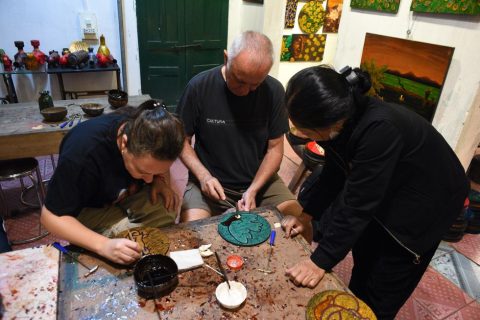
Malé keeps a low-key, alcohol-free nightlife scene reflecting the Maldives conservative local culture, with the action centered on rooftop cafés, shisha lounges, and late-night hangouts rather than bars or clubs. A handful of international hotels offer licensed lounges for visitors, while the wider city comes alive after dark with mocktail-fuelled chatter, karaoke, and live acoustic sets.
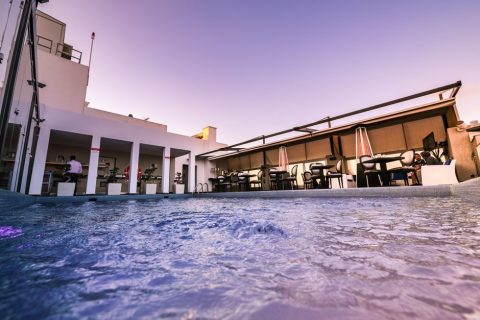
Sky Lounge at Hotel Jen Malé
Perched high above the harbor, this is one of the few venues on Malé island with a proper licensed bar for hotel guests and visitors, making it a rare spot for a cocktail with a skyline view. The rooftop terrace looks out over the twinkling lights of the port and neighboring islands, with occasional live acoustic sets and DJ evenings on weekends. The vibe is relaxed rather than raucous, drawing a mix of business travelers, transit tourists, and expats. Expect a curated cocktail list, light bar snacks, and comfortable lounge seating built for lingering conversation. Its elevated position gives it a cool sea breeze that makes evenings here noticeably more pleasant than street level. Reservations are recommended on weekend nights when tables fill quickly with guests wanting the sunset-into-dark transition.
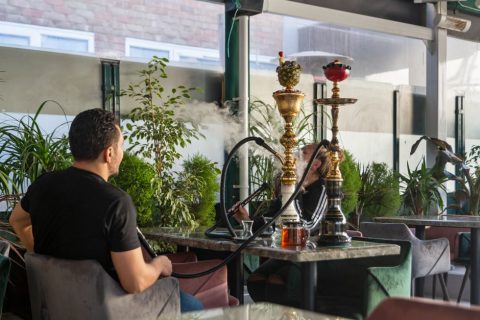
Chaaka Cafe and Shisha Lounge
A favorite late-night gathering spot for locals and visitors alike, this open-air café keeps its kitchen and shisha pipes running well past midnight. Low tables, cushioned seating, and strings of warm lights create a relaxed outdoor lounge atmosphere popular with groups swapping stories over flavored tobacco and sweet Maldivian tea. Since alcohol is not served on Malé island outside licensed hotels, venues like this fill the social gap, becoming the default place for an evening hangout. The menu leans toward mocktails, fresh juices, and short eats, with shisha flavors ranging from mint to tropical fruit blends. It gets busiest after 10pm on weekends, when the crowd skews younger and the chatter competes with soft background music. Come hungry and unhurried, this is a place for lingering, not rushing.
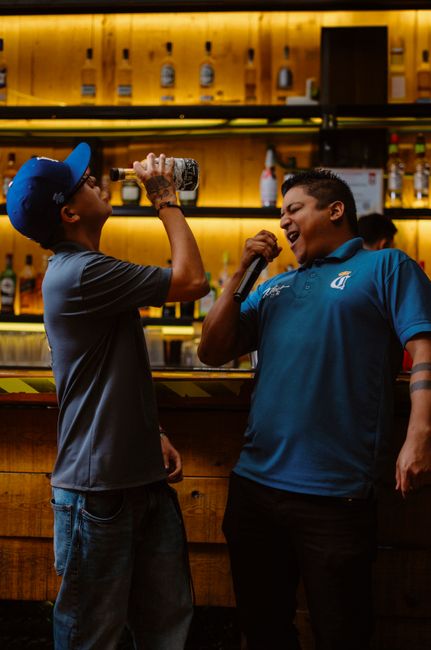
Symphony Lounge Karaoke Nights
One of the rare venues in Malé leaning into a nightclub-style atmosphere, this lounge trades alcohol for energy, hosting weekly karaoke nights and themed DJ evenings that draw a loyal local crowd. Colored lighting, a small dance floor, and a sound system built for singing along make it feel more like a party than a quiet café. Groups of friends and coworkers often book out corners of the room for birthdays or send-offs, belting out everything from Bollywood hits to English pop. The mocktail menu is inventive, designed to compensate for the lack of alcohol with bold flavors and presentation. It is a good gauge of contemporary Maldivian youth culture, casual, social, and unabashedly fun despite the dry setting. Best visited Thursday or Friday night when the energy peaks.
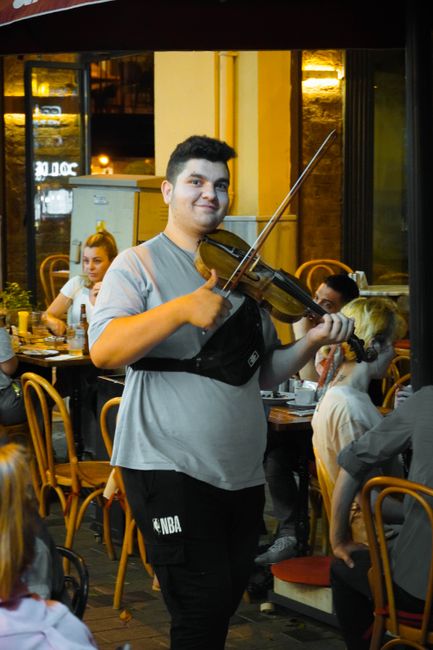
Salt Cafe Live Music Evenings
This waterfront-adjacent café turns into an informal live-music venue several nights a week, with local singer-songwriters and acoustic duos performing sets of English and Dhivehi covers. The setting is casual, plastic chairs and a small raised corner functioning as a stage, but the atmosphere is warm and unpretentious, with regulars who treat it like a neighborhood living room. Coffee, milkshakes, and grilled short eats keep the tables full late into the evening, and the crowd tends to sing along quietly rather than dance. It is a good introduction to contemporary Maldivian music for visitors curious about the local scene beyond resort entertainment. Performances typically start around 9pm and wind down by midnight. Arrive early on performance nights to grab a table near the stage before the room fills.
Tips for Nightlife & Entertainment
- Alcohol is not sold or served on Malé island itself outside a few licensed international hotels, plan accordingly if you want a proper drink
- Most nightlife venues are more café or lounge than bar or club, with the social scene built around shisha, mocktails, and karaoke rather than dancing
- Dress modestly even at night, as Malé remains a conservative local island rather than a resort bubble
- Many spots stay open past midnight on weekends (Thursday and Friday nights), so late arrivals will still find a lively crowd
Real, highly-rated Restaurants in Malé, sourced from Google Places (rating above 4★).
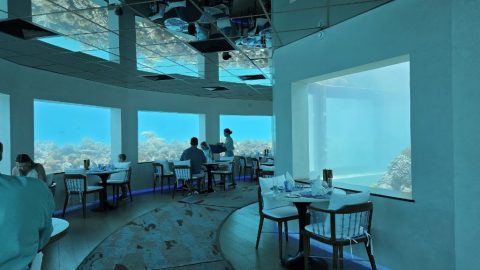
Only BLU Under Ocean Restaurant
Only BLU Under Ocean Restaurant is a highly-rated restaurant in Malé, rated 4.8★ from 208 reviews. Located at 8G42+5V, Himmafushi, Maldives.
Opening Hours
- Monday: 12:15 – 2:30 PM
- Tuesday: 12:15 – 2:30 PM
- Wednesday: 12:15 – 2:30 PM
- Thursday: 12:15 – 2:30 PM
- Friday: 12:15 – 2:30 PM
- Saturday: 12:15 – 2:30 PM
- Sunday: 12:15 – 2:30 PM
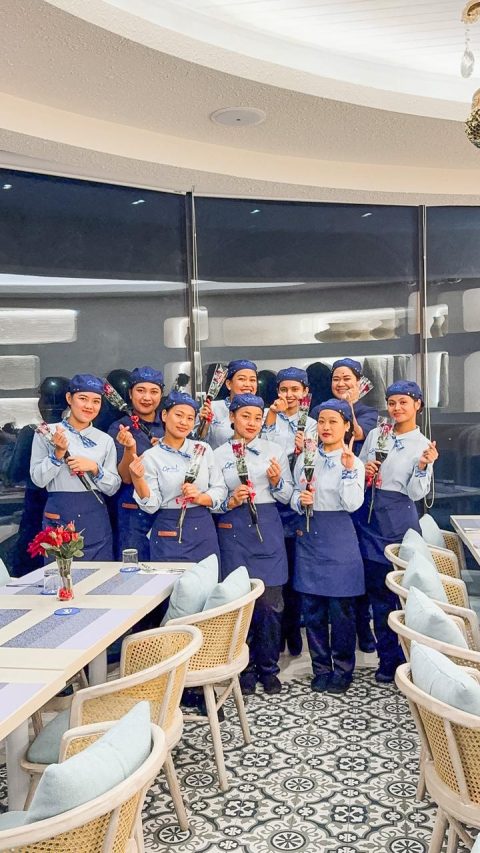
Opa! Mediterranean Restaurant
Opa! Mediterranean Restaurant is a highly-rated restaurant in Malé, rated 4.7★ from 478 reviews. Located at Marine Drive, Malé 20001, Maldives.
Opening Hours
- Monday: 10:00 AM – 12:00 AM
- Tuesday: 10:00 AM – 12:00 AM
- Wednesday: 10:00 AM – 12:00 AM
- Thursday: 10:00 AM – 12:00 AM
- Friday: 10:00 AM – 12:00 AM
- Saturday: 10:00 AM – 12:00 AM
- Sunday: 10:00 AM – 12:00 AM
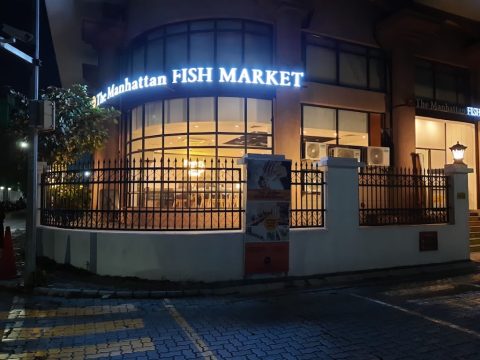
Manhattan Fish Market Malé
Manhattan Fish Market Malé is a highly-rated restaurant in Malé, rated 4.7★ from 752 reviews. Located at FHTS Building, Faculty of Education, Falhumathee Magu Magu, Malé 20372, Maldives.
Opening Hours
- Monday: 7:30 AM – 12:00 AM
- Tuesday: 7:30 AM – 12:00 AM
- Wednesday: 7:30 AM – 12:00 AM
- Thursday: 7:30 AM – 12:00 AM
- Friday: 7:30 – 10:00 AM, 2:00 PM – 12:00 AM
- Saturday: 7:30 AM – 12:00 AM
- Sunday: 7:30 AM – 12:00 AM
Real, highly-rated Beach Bars in Malé, sourced from Google Places (rating above 4★).
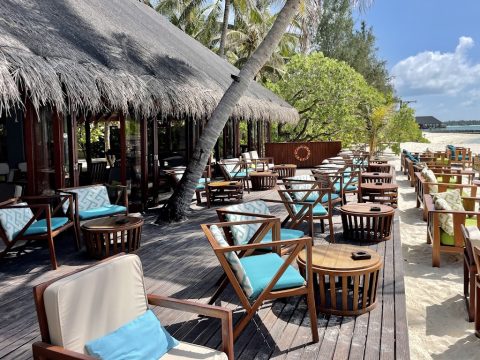
Nevi Bar
Nevi Bar is a highly-rated beach bar in Malé, rated 4.8★ from 50 reviews. Located at Unnamed Road, Maldives.
Opening Hours
- Monday: 9:00 AM – 12:00 AM
- Tuesday: 9:00 AM – 12:00 AM
- Wednesday: 9:00 AM – 12:00 AM
- Thursday: 9:00 AM – 12:00 AM
- Friday: 9:00 AM – 12:00 AM
- Saturday: 9:00 AM – 12:00 AM
- Sunday: 9:00 AM – 12:00 AM
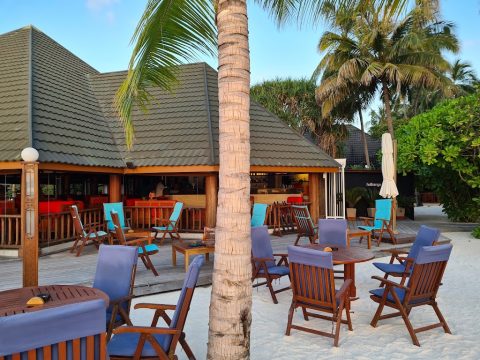
Hulhangu/Captain's Bar- Main Bar
Hulhangu/Captain's Bar- Main Bar is a highly-rated beach bar in Malé, rated 4.8★ from 65 reviews. Located at Lankanfinolhu, 7HP3+V9M, Himmafushi, Maldives.
Opening Hours
- Monday: 8:00 AM – 1:00 AM
- Tuesday: 8:00 AM – 1:00 AM
- Wednesday: 8:00 AM – 1:00 AM
- Thursday: 8:00 AM – 1:00 AM
- Friday: 8:00 AM – 1:00 AM
- Saturday: 8:00 AM – 1:00 AM
- Sunday: 8:00 AM – 1:00 AM
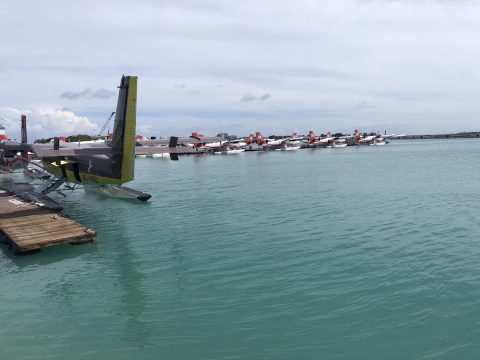
Constance Hotels and Resorts Maldives Airport Lounge
Constance Hotels and Resorts Maldives Airport Lounge is a highly-rated beach bar in Malé, rated 4.8★ from 297 reviews. Located at 5GRM+9WC Hulhule Island, Malé, Maldives.
Opening Hours
- Monday: 5:00 AM – 8:30 PM
- Tuesday: 5:00 AM – 8:30 PM
- Wednesday: 5:00 AM – 8:30 PM
- Thursday: 5:00 AM – 8:30 PM
- Friday: 5:00 AM – 8:30 PM
- Saturday: 5:00 AM – 8:30 PM
- Sunday: 5:00 AM – 8:30 PM
Explore Malé on the Map
The Maldives has a tropical monsoon climate with warm temperatures year-round (26-31°C / 79-88°F). The dry northeast monsoon (December-April) brings the least rainfall and calmest seas, making it the most popular and expensive season, especially around Christmas and New Year. The southwest monsoon (May-November) is wetter and windier with a higher chance of short, heavy downpours, but also brings lower prices and fewer crowds, plus better conditions for manta ray sightings at cleaning stations. Even in the wet season, rain tends to arrive in brief bursts rather than all-day washouts.
Malé's shopping is modest compared to regional hubs but has a few worthwhile stops. Chandhanee Magu remains the traditional souvenir strip, good for lacquer boxes, reef-motif jewelry, and woven mats. Look for genuine Maldivian handicrafts such as coir rope work, dhoni model boats, and coconut-shell carvings rather than generic imported souvenirs. The local market is best for edible souvenirs like dried fish (Maldive fish) and local spices. Newer malls have opened in Hulhumalé for everyday shopping, though prices for imported goods are generally higher than in mainland Asia due to import duties.
As an Islamic nation, the Maldives' major public holidays follow the lunar Islamic calendar, so dates shift each year: Eid al-Fitr (end of Ramadan) and Eid al-Adha are the biggest celebrations, marked by communal prayers, feasting, and family visits across Malé. Independence Day (26 July) and Republic Day (11 November) bring flag ceremonies and parades centered on Republic Square. During Ramadan itself, many restaurants in Malé close or restrict hours during daylight, and visitors should eat and drink discreetly in public out of respect for those fasting.
Day 1: Historic Malé
Old Friday Mosque and Medhu Ziyaarath, Sultan Park and the National Museum, lunch near the local market, afternoon at the National Art Gallery, sunset at Republic Square.
Day 2: Waterfront & Markets
Morning at the fish and local markets, walk the Boduthakurufaanu Magu waterfront, shop Chandhanee Magu, evening at Rasfannu artificial beach for sunset and street food.
Day 3: Reef & Ocean
Full-day snorkeling or diving trip to Banana Reef and a sandbank picnic in North Malé Atoll, or a Whale Submarine excursion for non-divers.
Day 4: Hulhumalé & Bridge
Cross the Sinamalé Bridge to Hulhumalé, spend the day at its beach and parks, browse the newer malls, return for a dolphin sunset cruise.
Day 5: Local Island Escape
Day trip by speedboat or ferry to Maafushi for a full day on a bikini beach, with optional diving or jet-skiing, returning to Malé in the evening.
The Grand Friday Mosque's golden dome photographs best from the harbor side in late afternoon light. Rasfannu artificial beach at sunset is the most reliable spot for a classic Maldives sky over water without leaving the capital. The Sinamalé Bridge offers open-ocean views on both sides, best shot from a moving vehicle or from Hulhumalé looking back at Malé's skyline. For the archetypal turquoise-lagoon shot, nothing beats a sandbank stop on a North Malé Atoll day trip — bring an underwater phone case for reef shots while snorkeling.
The Maldives uses 230V, 50Hz electricity with a mix of plug types — primarily UK-style Type G (three rectangular pins), though Type D and Type A/C sockets also appear in some resorts and older buildings. A universal travel adapter is strongly recommended, as socket types can vary even within the same hotel. Power cuts are rare in Malé but more common on smaller local islands.
Maldivian cuisine centers on tuna, coconut, and rice. Try mas huni — shredded smoked tuna mixed with coconut, onion, and chili, the classic breakfast eaten with flatbread (roshi). Garudhiya is a clear tuna broth served with rice, lime, and chili, often considered the national dish. Street-side cafés called hotaa serve short eats — savory fried snacks like bajiya and gulha — cheaply throughout the day. Because Malé is a working capital rather than a resort, dining here is far more affordable and authentic than at overwater resort restaurants, though alcohol is not sold outside resort islands due to Islamic law.
Central Malé has a growing number of budget and mid-range guesthouses near the harbor and Chandhanee Magu, convenient for walking to the mosques, markets, and museum. Hulhumalé, across the Sinamalé Bridge, offers newer hotels, a proper beach, and easier airport access, making it the preferred base for many travelers who want more space and a swimmable shoreline. For a full Maldives experience, most visitors split their trip between a night or two in Malé/Hulhumalé and a stay on a resort or local island such as Maafushi.
Malé itself can be visited affordably: guesthouse rooms run roughly $25-60/night, local food is inexpensive ($3-8 per meal), and public ferries cost a few dollars or less. The country's reputation for expense comes mainly from overwater resorts, which can run $300-1,500+/night including transfers. Budget travelers can experience the Maldives affordably by basing themselves in Malé/Hulhumalé and taking day trips or a short stay on a local island like Maafushi instead of booking a private resort.
Malé is not the reason people fly to the Maldives, but as one of the most densely populated islands on Earth, it's a genuinely fascinating stop for a day or two — a working capital of coral-stone mosques, crowded markets, and reclaimed land, entirely unlike the empty-island resort image most visitors expect. Combined with its role as the unavoidable transit hub for the entire country and its proximity to world-class reefs like Banana Reef, most itineraries benefit from a short stay here before or after resort time, rather than skipping it entirely.
Tourist Passes
More about Malé
Photo credits (15)
- Grand Friday Mosque (Islamic Centre): photo by David Stanley from Nanaimo, Canada, CC BY 2.0, via Wikimedia Commons
- Old Friday Mosque (Hukuru Miskiy): photo by David Stanley from Nanaimo, Canada, CC BY 2.0, via Wikimedia Commons
- National Museum: photo by George John Edkins (1921-2001), CC BY-SA 4.0, via Wikimedia Commons
- National Art Gallery: photo by Chris Olszewski, CC BY-SA 4.0, via Wikimedia Commons
- Republic Square (Jumhooree Maidhaan): photo by Sergei Gussev, CC BY 2.0, via Wikimedia Commons
- Malé Fish Market: photo by Buiobuione, CC BY-SA 4.0, via Wikimedia Commons
- Sultan Park: photo by Zairon, CC BY-SA 4.0, via Wikimedia Commons
- Hulhumalé: photo by Zairon, CC BY-SA 4.0, via Wikimedia Commons
- Villingili (Vilimalé): photo by Shahee Ilyas, CC BY 4.0, via Wikimedia Commons
- Velana International Airport: photo by Simon_sees, CC BY 2.0, via Wikimedia Commons
- Sinamalé Bridge: photo by Panda 51, CC BY-SA 4.0, via Wikimedia Commons
- Maafushi Island: photo by Nattu from Male', Maldives, CC BY 2.0, via Wikimedia Commons
- Kuda Eid Celebrations (Eid al-Fitr): photo by Viceskeeni2, CC BY 4.0, via Wikimedia Commons
- Big Eid Festivities (Eid al-Adha): photo by Viceskeeni2, CC BY 4.0, via Wikimedia Commons
- Maldives Republic Day Parade: photo by Press Information Department, Public domain, via Wikimedia Commons
.jpg)


.jpg)
.jpg)


