Green, open space is scarce on an island this crowded, which makes Malé's handful of parks and its one artificial beach disproportionately valuable to residents seeking air, shade, and sea breeze.
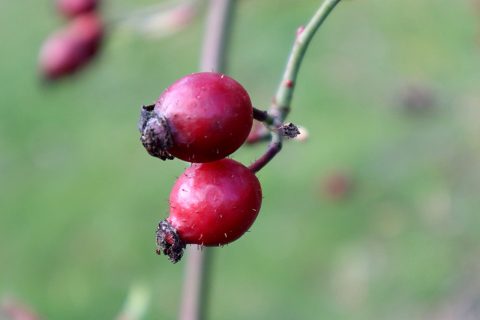
Rasfannu (Artificial Beach)
Malé has no natural beach of its own, so this reclaimed strip on the island's northeastern edge fills the gap, complete with imported sand, a breakwater-protected swimming area, and a promenade lined with food stalls. In the late afternoon it fills with joggers, football games, and families escaping the heat, and by sunset the sky over the water draws a steady crowd with phones out. It's the most reliable place in the city center to swim, and one of the best free sunset viewpoints in Malé.
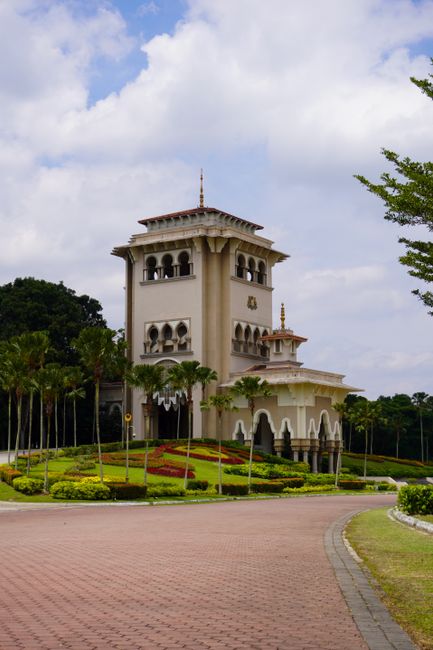
Sultan Park
The last surviving fragment of the old royal palace grounds, this shaded garden of frangipani and palm trees sits right in the city center and houses the National Museum on its grounds. Ornamental ponds, stone pathways, and mature trees make it a rare pocket of quiet greenery amid Malé's dense concrete streets. It's a favored spot for locals to rest during the midday heat, and its historical layer — as the former seat of the sultanate — adds context to a visit to the neighboring museum. Small, but a necessary breather on a walking tour of the city.
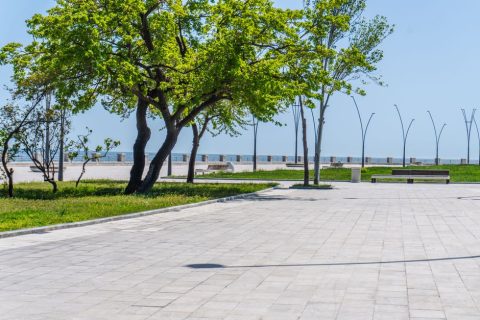
Rasrani Bageecha (Sea Breeze Park)
A small waterfront garden along Boduthakurufaanu Magu, the ring road tracing Malé's coastline, offering benches and shade with unobstructed views of the harbor traffic and neighboring islands. It's a low-key spot rather than a destination in itself, best used as a rest stop while walking the seafront promenade, particularly in the cooler early morning or early evening hours when the sea breeze is strongest.
Tips for Parks & Gardens
- Rasfannu gets crowded around sunset — arrive slightly early to claim a spot on the breakwater
- Swimwear at the artificial beach should be modest in line with local dress norms; a t-shirt over swimwear is common practice for women