"Greater Malé" now spans several connected islands, from the historic core to reclaimed land and satellite communities reachable by bridge or a short ferry hop, each with its own pace and character.
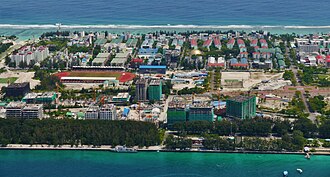
Hulhumalé
A vast reclaimed island built to relieve Malé's chronic overcrowding, Hulhumalé now has wider streets, its own beach, parks, and a growing skyline of hotels and apartment blocks. Connected to Malé and the airport by the Sinamalé Bridge, it has become the preferred base for many visitors thanks to more affordable guesthouses and a proper swimming beach. It feels noticeably more spacious and orderly than the old city, offering a useful contrast to Malé's dense, historic streets — some call it the "new Malé."
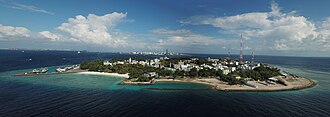
Villingili (Vilimalé)
A quieter residential island a short ferry ride from central Malé, Villingili offers a laid-back escape with its own beach, jogging track, and far less traffic than the capital. Locals come here to swim, picnic, and unwind away from the density of the main island. It's an easy half-day trip that shows a more residential, slower-paced side of Maldivian island life, with fewer tourists than Hulhumalé.
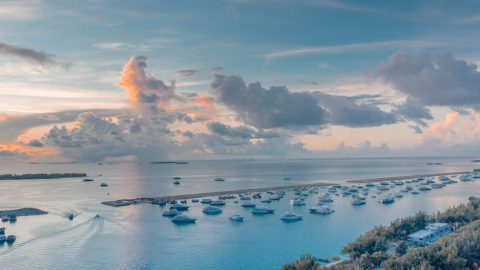
Boduthakurufaanu Magu Waterfront
The ring road that traces almost the entire coastline of Malé, this waterfront promenade is the best way to orient yourself around the island and watch the constant traffic of ferries, cargo dhonis, and fishing boats. Walking it end to end takes under two hours and passes the harbor, fish market, and several viewpoints across to Hulhulé (airport island) and Hulhumalé. It's especially pleasant in the early morning or after sunset when the heat eases.
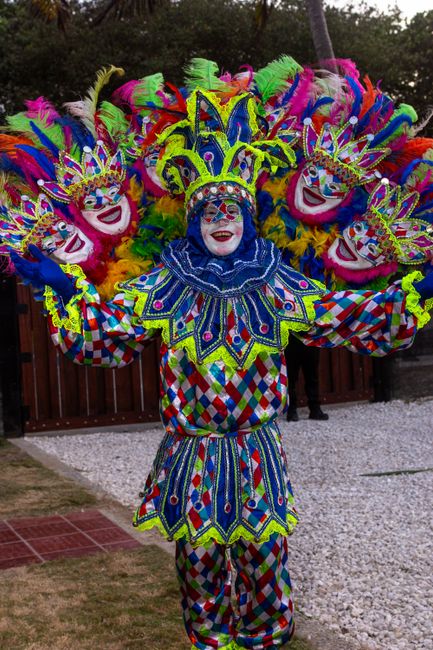
Alimas Carnival
A small waterfront amusement park with a Ferris wheel, rides, and food stalls, popular with local families in the evenings. It's not a major sightseeing draw, but the Ferris wheel offers a rare elevated view over Malé's rooftops and the harbor lights after dark, and the surrounding food stalls make it a good casual dinner stop. A pleasant, low-cost way to see the city from above without a rooftop bar.
Tips for Neighborhoods & Districts
- The bridge has a pedestrian path; check conditions locally before walking across. — cross by taxi, bus, or bicycle, not on foot
- Ferries to Villingili run frequently and cheaply from the Malé harbor; buy tickets at the jetty counter