Beyond the medieval splendor, Kraków preserves sites of profound historical significance, particularly relating to World War II and Jewish heritage. These locations offer essential context for understanding 20th-century history.
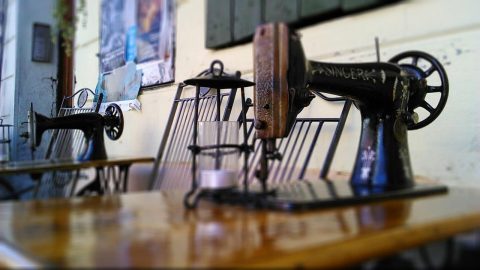
Kazimierz Jewish Quarter
Once a separate town and center of Jewish life for over 500 years, Kazimierz is now a bohemian district filled with synagogues, Jewish cemeteries, and cultural sites. Seven historic synagogues survive, including the Old Synagogue (now a museum) and the active Remuh Synagogue with its atmospheric cemetery. The district figured prominently in Schindler's List filming. Today, Kazimierz blends historical reverence with vibrant contemporary culture art galleries, vintage shops, cafés, and klezmer music venues occupy former Jewish homes and businesses. Walking tours reveal hidden courtyards and stories of pre-war Jewish life.
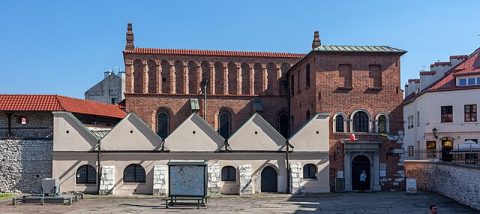
Old Synagogue
The oldest surviving synagogue in Poland (built in the 15th century), now housing a museum of Jewish history and culture. The Renaissance building features distinctive architecture with a main prayer hall supported by two columns. Exhibits display ritual objects, religious artifacts, and documentation of Jewish life in Kraków before World War II. Photographs and personal items tell stories of the community that thrived here for centuries. The building itself survived Nazi occupation as a warehouse, preserving its structure. An essential stop for understanding Kraków's Jewish heritage.
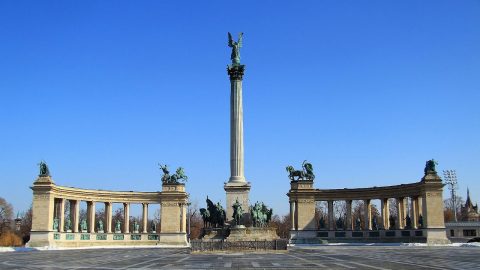
Ghetto Heroes Square (Plac Bohaterów Getta)
The central square of the former Kraków Ghetto (1941-1943), now featuring an emotionally powerful memorial: 70 oversized bronze chairs representing the furniture Jews were forced to leave behind during deportations. The empty chairs scattered across the plaza create a haunting tableau. Information boards detail the ghetto's history and the liquidation process. The nearby Eagle Pharmacy, run by Tadeusz Pankiewicz (the only non-Jew allowed in the ghetto), is now a museum documenting his efforts to help ghetto residents. This site offers crucial context for understanding Nazi occupation.
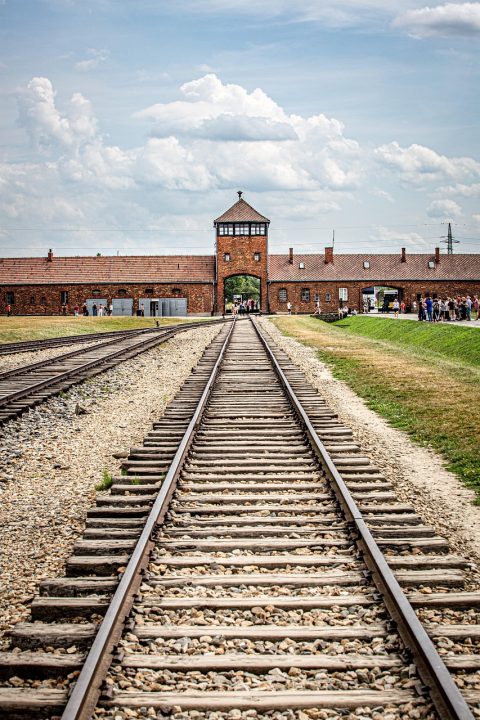
Płaszów Concentration Camp Memorial
The site of a Nazi forced labor camp where tens of thousands of prisoners were held between 1942-1945, including Oskar Schindler's workers. Unlike Auschwitz, few structures remain the camp was dismantled by retreating Nazis. Today, the area is marked by memorials and information boards across the hilly terrain. A large monument commemorates the victims, while scattered ruins of the camp's infrastructure remain visible. The site is less visited than other Holocaust memorials, offering a contemplative space. Guided tours help contextualize the landscape and tragic events that occurred here.
Tips for Ancient & Historical Sites
- Consider a guided Jewish heritage tour to fully appreciate the historical context and hidden stories
- Visit Kazimierz on Saturday evening to experience traditional Shabbat dinner and klezmer concerts
- The Galicia Jewish Museum offers excellent exhibitions complementing the synagogue visits
- Płaszów memorial requires walking on uneven terrain wear comfortable shoes
- Show appropriate respect at memorial sites; these are places of remembrance