Kraków's skyline is dominated by stunning medieval architecture and royal monuments that tell the story of Poland's golden age. These iconic structures represent the city's political and cultural significance throughout European history.
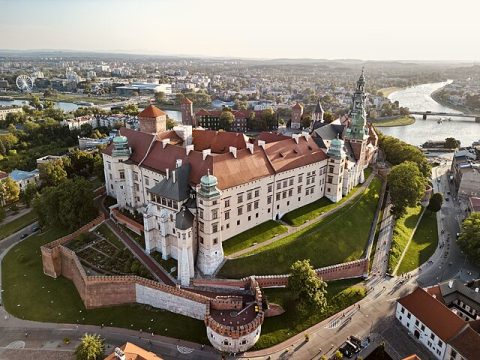
Wawel Royal Castle
The crown jewel of Kraków, this magnificent Gothic-Renaissance castle served as the residence of Polish kings for over 500 years. Perched atop Wawel Hill, the complex includes the Royal Private Apartments with stunning Flemish tapestries, the Crown Treasury featuring royal regalia, and the Armory displaying medieval weapons. The castle's courtyards showcase Renaissance arcades, while the interiors display period furniture and priceless art collections. Don't miss the famous dragon's den cave beneath the castle, home to the legendary Wawel Dragon.
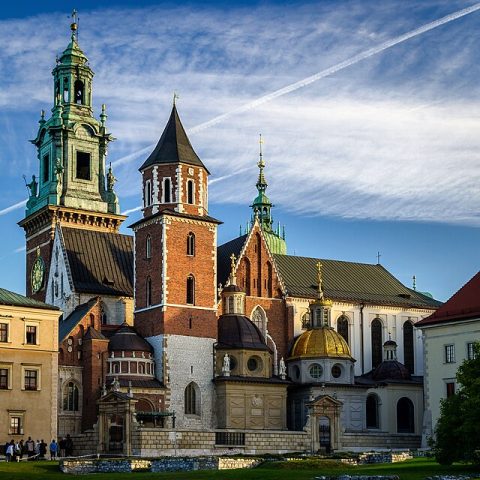
Wawel Cathedral
Poland's spiritual heart and coronation site of Polish monarchs since the 14th century. This Gothic masterpiece houses the tombs of kings, national heroes, and the revered silver sarcophagus of St. Stanislaus, Poland's patron saint. The cathedral features 18 side chapels, each representing different architectural periods. Climb the Sigismund Tower to see Poland's largest bell and enjoy panoramic city views. The cathedral museum displays royal funeral regalia and religious artifacts spanning centuries.
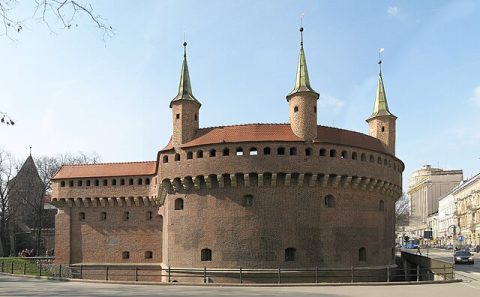
Barbican
One of only three surviving medieval defensive structures of its kind in Europe. Built in 1498, this circular brick fortification features massive walls up to 3 meters thick and seven turrets. The Barbican once protected the city's northern approach via the Royal Road. Today, visitors can walk through its Gothic passageways, explore defensive positions, and enjoy occasional medieval tournaments and exhibitions. The structure provides exceptional photo opportunities, especially illuminated at night.
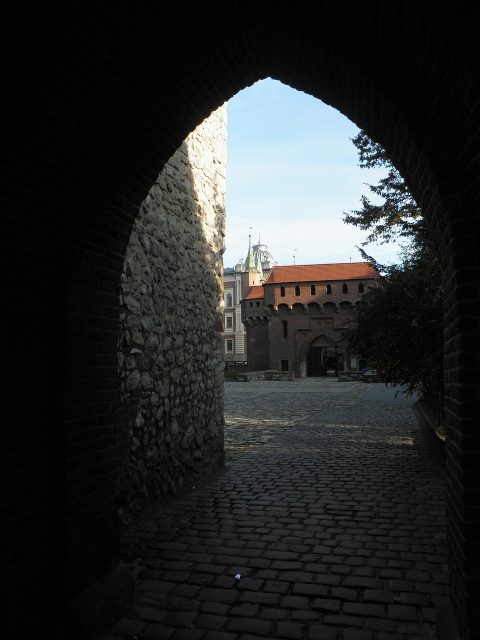
Floriańska Gate
The main Gothic gateway to Kraków's Old Town, dating from the 14th century. This imposing structure stands 34.5 meters tall and once formed part of the city's medieval fortifications. The gate features a baroque-style altar with a painting of the Virgin Mary, traditionally venerated by travelers. Walking through Floriańska Gate marks the beginning of the historic Royal Road, the processional route once used by Polish kings. The surrounding walls host an open-air art gallery.
Tips for Landmarks & Monuments
- Book Wawel Castle tickets online in advance, especially during summer months (April-October) as daily visitor numbers are limited
- Visit Wawel Hill early morning or late afternoon to avoid crowds and capture the best lighting for photos
- Combine the Barbican with a walk along the Planty Park ring for a complete tour of Kraków's medieval fortifications
- Free entry to Wawel grounds (castle exterior and courtyards), fees apply only for interior exhibitions