Each of Kraków's districts possesses distinct character, from the bohemian creativity of Kazimierz to the industrial-chic of Podgórze. Exploring beyond the Old Town reveals the city's authentic contemporary life.
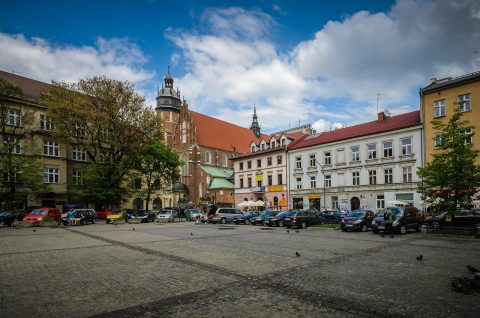
Kazimierz District
Kraków's hippest neighborhood, transformed from the historic Jewish quarter into a creative hub buzzing with energy. Beyond synagogues and museums, Kazimierz offers vintage shops, street art, independent galleries, and the city's best nightlife. Ulica Szeroka (Broad Street) features outdoor cafés and klezmer music. Side streets hide trendy bars in former Jewish tenements, atmospheric courtyards, and artisan workshops. The district perfectly balances historical reverence with contemporary cool. Weekend flea markets, food trucks, and live music create festival atmosphere. Essential for experiencing modern Kraków's creative spirit while honoring Jewish heritage.
Podgórze District
The former site of the wartime ghetto, now undergoing artistic renaissance. This working-class neighborhood south of the Vistula River combines somber history (Schindler's Factory, Ghetto Heroes Square) with emerging creative culture. The Cricoteka theater museum, MOCAK contemporary art museum, and trendy Zabłocie area attract young artists and galleries. Industrial buildings converted into cultural spaces create unique atmosphere. The elevated Krakus Mound offers panoramic city views. Podgórze reveals Kraków's transformation from tragic past to hopeful future. Less touristy than Old Town, authentically local yet culturally dynamic.
Nowa Huta District
A socialist realist planned city built in the 1950s as a model communist workers' town. This fascinating district showcases Stalin-era architecture with wide boulevards, monumental buildings, and grand central square (now Ronald Reagan Square). Originally designed to transform peasants into industrial workers at the massive Lenin Steelworks, Nowa Huta represents communist urban planning ideals. Today, it's a living museum of Cold War history with museums, vintage cafés in retro interiors, and street art. Guided tours explore the architecture, social history, and stories of resistance. The district offers unique perspective on Poland's recent past.
Tips for Neighborhoods & Districts
- Explore Kazimierz in the evening bars and restaurants come alive after dark with unique atmosphere
- Take a guided tour of Nowa Huta to fully understand the social and political context of this unique district
- Father Bernatek Footbridge connects Kazimierz and Podgórze perfect for walking between districts with Wawel views
- Zabłocie in Podgórze is emerging as Kraków's creative quarter galleries, studios, and hipster cafés in former factories
- Each district has distinct character; dedicate full afternoon or evening to properly experience each area