Kraków's spiritual landscape features magnificent churches representing Gothic, Renaissance, and Baroque architectural styles. These sacred spaces contain priceless art, historic relics, and remain active centers of worship.
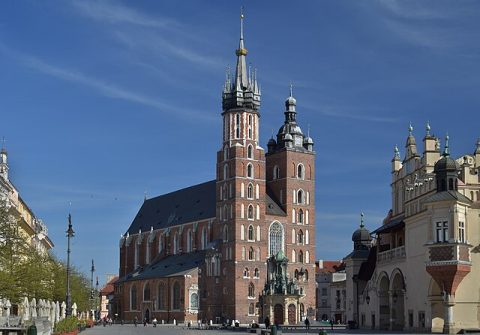
St. Mary's Basilica
The crown jewel of the Main Market Square, this Gothic masterpiece features asymmetrical towers that have become Kraków's symbol. Inside, witness Veit Stoss's magnificent wooden altarpiece (1477-1489), the largest Gothic altar in the world at 13 meters high. The interior dazzles with polychrome decorations by Jan Matejko and stunning stained-glass windows. Every hour, a trumpeter plays the Hejnał mariacki from the taller tower, a tradition commemorating a medieval watchman. The abruptly-ending melody reminds visitors of the Mongol invasion legend. Tickets required for sightseeing; free for prayer.
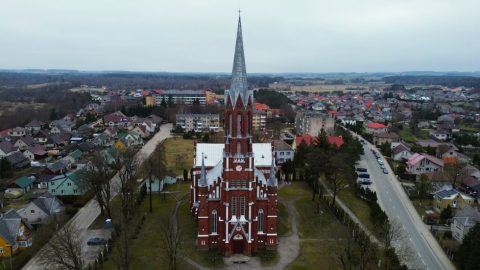
St. Francis of Assisi Church
A stunning example of Art Nouveau ecclesiastical art featuring extraordinary stained-glass windows by Stanisław Wyspiański, Poland's renowned painter and playwright. Created between 1895-1902, these modernist windows depict biblical scenes and the creation of the world in vibrant, revolutionary style. The Gothic church dates from the 13th century but was transformed by Wyspiański's vision. The interiors blend medieval architecture with Młoda Polska (Young Poland) artistic movement decorations. The play of colored light through Wyspiański's windows creates an ethereal atmosphere, particularly during afternoon hours.
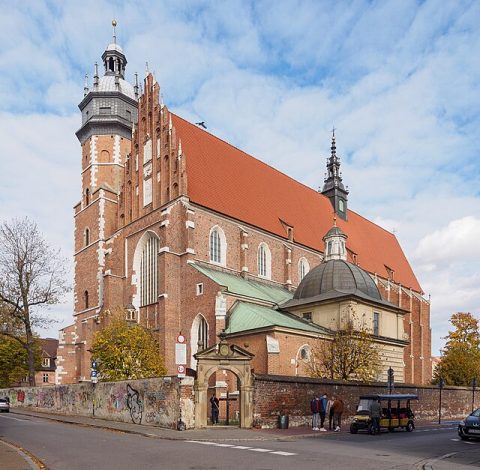
Corpus Christi Basilica
A magnificent Gothic church in the Kazimierz district, built in 1340-1405 to commemorate a miracle. The imposing exterior features a distinctive tall tower visible across Kazimierz. Inside, admire the elaborate Baroque altars, stunning choir stalls (among Poland's finest), and peaceful cloisters. The church houses important relics and serves as a parish church for Kazimierz residents. The interior's pristine white walls contrast beautifully with golden Baroque decorations. The connected monastery features a tranquil courtyard garden perfect for quiet reflection.
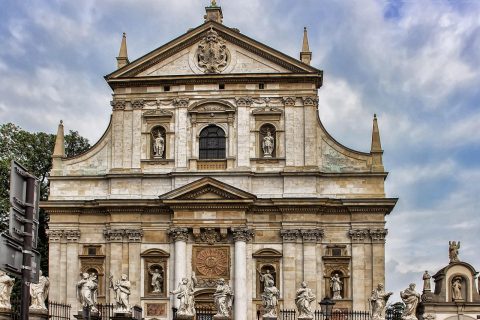
Church of St. Peter and Paul
Kraków's first Baroque church, built by Jesuits between 1597-1619 and modeled after Rome's Il Gesù. The striking white façade features sculptures of the twelve apostles and represents early Baroque splendor. The light-filled interior showcases Baroque stucco work, illusionistic ceiling frescoes, and the pendulum demonstrating Earth's rotation. The church's excellent acoustics make it a popular venue for classical concerts. The adjacent Jesuit residence forms part of a magnificent Baroque complex symbolizing Counter-Reformation architecture in Poland.
Tips for Religious Sites
- Dress modestly when visiting churches covered shoulders and knees required
- Visit St. Mary's Basilica during the noon opening of the altarpiece (weekdays at 11:50 AM) for the full experience
- Many churches offer free entry but appreciate donations; tourist sightseeing may require paid tickets
- Attend a classical concert in one of the churches for an unforgettable acoustic experience
- Respect prayer times and services; photography may be restricted during Mass