Kraków's museums house world-class collections spanning from medieval religious art to contemporary masterpieces. The city's cultural institutions preserve both national treasures and poignant reminders of 20th-century history.
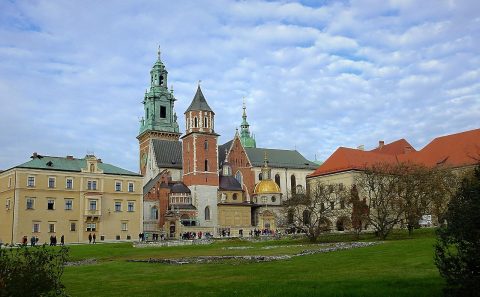
Schindler's Factory Museum
A deeply moving multimedia experience housed in Oskar Schindler's former enamelware factory. This innovative museum chronicles Kraków's experience during Nazi occupation (1939-1945) through immersive reconstructions of wartime streets, apartments, and the ghetto. Interactive exhibits include authentic photographs, documents, and personal testimonies. The museum powerfully tells the story of Schindler's efforts to save over 1,200 Jews, while also presenting the broader context of wartime Kraków. Plan adequate time as the exhibits are emotionally intense and information-rich.
National Museum in Kraków
Poland's premier art institution featuring an extensive collection of Polish painting, sculpture, and decorative arts from medieval times to contemporary. The main building showcases the Gallery of 20th-Century Polish Art and the renowned Czartoryski Collection, including Leonardo da Vinci's Lady with an Ermine, one of only four female portraits by the Renaissance master. Additional wings display military artifacts, period interiors, and applied arts. The museum complex includes several branches throughout the city.
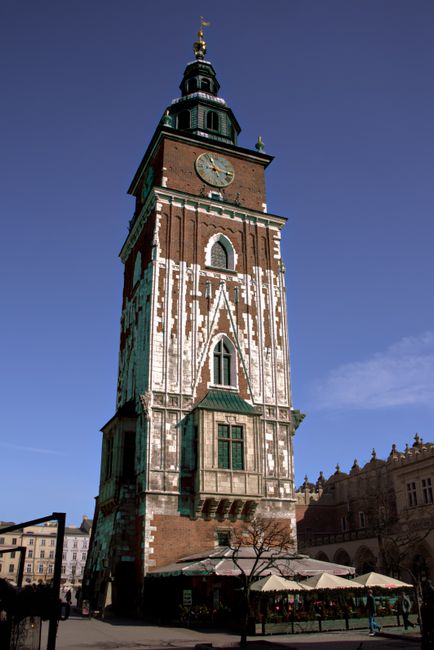
Rynek Underground Museum
An extraordinary archaeological journey beneath the Main Market Square revealing medieval Kraków's foundations. This state-of-the-art museum displays over 6,000 square feet of excavated medieval streets, market stalls, and workshops preserved beneath the square. Multimedia installations bring the medieval marketplace to life, while authentic artifacts coins, jewelry, tools tell stories of daily life in medieval Europe. Holographic projections and interactive displays make history tangible. The underground route takes visitors through several centuries of the city's development.
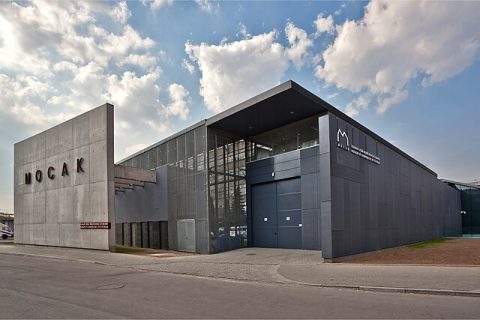
MOCAK (Museum of Contemporary Art)
A cutting-edge contemporary art space housed in a converted industrial building adjacent to Schindler's Factory. MOCAK presents rotating exhibitions of Polish and international contemporary art across multiple media painting, sculpture, video, installation, and performance. The museum's collection focuses on post-1989 art, exploring themes of transformation, memory, and identity. The striking modern architecture contrasts beautifully with preserved industrial elements. An on-site café and bookshop make this a perfect cultural afternoon destination.
Tips for Museums & Galleries
- Book Schindler's Factory tickets weeks in advance this is Kraków's most popular museum with limited daily capacity
- Purchase a Kraków Card for free or discounted museum entry across multiple institutions
- Many museums offer free entry on specific days (often Sundays or Tuesdays) check individual websites
- Rynek Underground requires advance online booking; same-day tickets rarely available
- Opening days vary by museum: for example, Schindler’s Factory is open Mondays 10:00–15:00, while Rynek Underground is open most Mondays.