Beyond its medieval core, Tallinn preserves layers of history from ancient settlements to Soviet-era monuments. These sites document the city's evolution through Danish conquest, Hanseatic trade, Swedish and Russian empires, and finally, hard-won independence, each layer adding complexity to Estonia's national story.
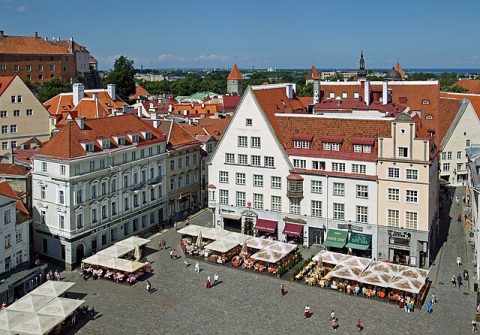
Town Hall Square (Raekoja plats)
The beating heart of Old Town since medieval times, this cobblestone square has hosted markets, festivals, and public gatherings for over 800 years. Dominated by the Gothic Town Hall (built 1404), featuring the spire topped by Old Thomas weathervane, the square is surrounded by colorful merchant houses, outdoor cafes, and historic guild buildings. In summer, it buzzes with cafe terraces and street performers; in winter, it transforms into a magical Christmas market ranked among Europe's best.
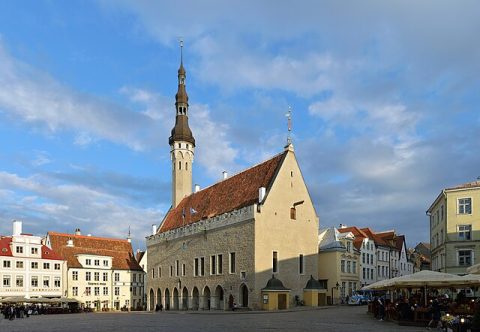
Tallinn Town Hall
Northern Europe's only surviving Gothic town hall, built 1402-1404. The building served as the seat of Tallinn's government for centuries and showcases remarkable medieval architecture with vaulted cellars, the Citizens' Hall, and Council Hall. The weathervane 'Old Thomas' (Vana Toomas) has crowned the 64-meter tower since 1530, becoming a symbol of Tallinn. Summer visitors can tour the interior and climb the tower for views across the square and Old Town rooftops.
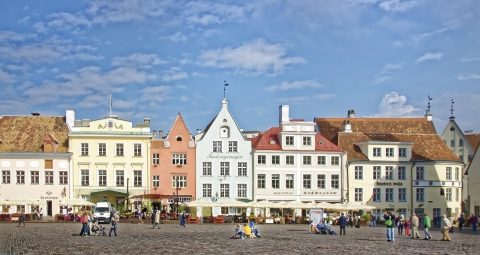
Great Guild Hall
Built in 1410, this imposing Gothic building was the center of Tallinn's merchant power. The Great Guild united wealthy merchants who controlled trade in medieval Tallinn. The hall's Renaissance portal, Gothic interior, and ceremonial spaces reflect the guild's prestige. Today it houses the Estonian History Museum, but the building itself is a museum piece notice the cannonball embedded in the facade from the Livonian War. The hall's architecture demonstrates the wealth and influence of Hanseatic Tallinn.
Three Sisters
Three medieval merchant houses (15th century) representing perfect examples of Hanseatic residential architecture. Named for three adjacent buildings at Pikk Street 71, these restored structures once belonged to wealthy traders who lived above their warehouses. Now housing a luxury hotel, the facades preserve Gothic stepped gables, original limestone details, and medieval proportions. The buildings exemplify how Tallinn's merchant elite lived and worked during the city's Hanseatic trading peak.
Brotherhood of Blackheads House
The ornate Renaissance facade with elaborate door (1597) marks the headquarters of the Brotherhood of Blackheads, an association of unmarried merchants. The building at Pikk 26 showcases detailed stone carvings, the Blackheads' coat of arms, and colorful decorative elements. While the interior is not regularly open, the exterior is one of Old Town's most photographed sites. The brotherhood played a crucial role in Tallinn's defense and social life during medieval and early modern periods.
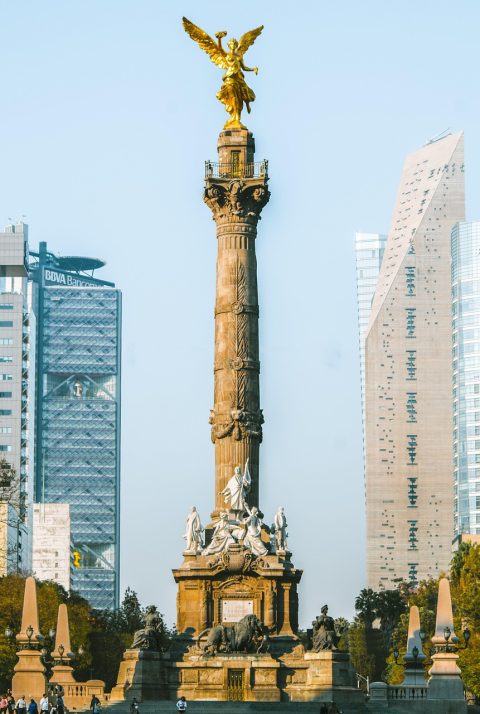
Estonian War of Independence Victory Column
This striking glass cross monument in Freedom Square commemorates Estonia's 1918-1920 War of Independence. Standing 23.5 meters tall, the monument features 850 glass pieces representing sacrifice and freedom. Unveiled in 2009, it replaced a Soviet-era monument and symbolizes Estonia's renewed independence. Freedom Square itself is Tallinn's largest square, hosting concerts and public events. The surrounding area includes the historic Kaarli Church and marks the transition from Old Town to modern Tallinn.
Tips for Ancient & Historical Sites
- Hidden Courtyards: Many medieval buildings hide beautiful courtyards; look for open doorways along Pikk and Vene streets
- Walking Tours: Join a free walking tour to understand the historical context and discover hidden details
- Medieval Market: Tallinn Old Town Days took place June 5–7 in 2026. The separate Tallinn Medieval Days festival took place July 10–12.
- Architecture Details: Look up! Medieval buildings feature fascinating details carved stones, guild symbols, and weathervanes
- Evening Atmosphere: Old Town squares take on magical quality at dusk when gas-style lamps illuminate cobblestones