Tallinn's public spaces feature art ranging from medieval sculptures to contemporary installations. The city embraces public art as a way to commemorate history, beautify urban spaces, and spark dialogue. Recent years have seen growing street art scenes, particularly in Kalamaja and Telliskivi, adding vibrant contemporary expression.
Kiek in de Kök and Bastion Tunnels
One of Tallinn's most powerful artillery towers, Kiek in de Kök (meaning 'Peek into the Kitchen' in Low German) rises 38 meters with 4-meter-thick walls. Built in the 15th century, the tower now houses a museum about Tallinn's fortifications with exhibitions on medieval warfare, weapons, and defense systems. The bastion tunnels beneath offer fascinating underground tours through 17th-century passages built by Swedish engineers. These atmospheric tunnels were used as air raid shelters during WWII. Combined ticket includes both tower museum and tunnel tours, providing comprehensive fortification history.
Telliskivi Street Art
The Telliskivi Creative City complex features constantly evolving street art and murals by local and international artists. Large-scale colorful murals cover building facades, creating an open-air gallery that reflects Tallinn's contemporary creative scene. The art ranges from abstract designs to social commentary and whimsical characters. Unlike traditional public art, these works change regularly as new artists add their visions. The area perfectly captures Estonia's innovative spirit and willingness to reimagine Soviet industrial spaces as vibrant cultural hubs. Photography encouraged the murals provide fantastic backdrops.
Russalka Memorial
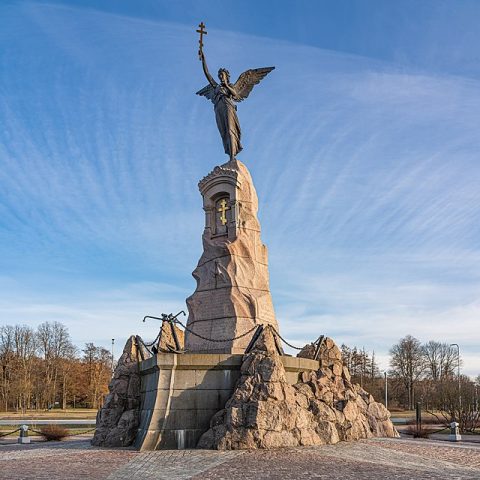
An elegant bronze monument on the Pirita coastal promenade commemorating the 1893 sinking of the Russian warship Rusalka. Sculptor Amandus Adamson created the figure of an angel holding an Orthodox cross toward the sea, standing on a rough granite plinth that suggests rocks and waves. The memorial has become a beloved Tallinn landmark and popular photo spot. The seaside location provides beautiful views across Tallinn Bay toward Old Town. The monument represents imperial-era craftsmanship and serves as a peaceful meditation spot along the coastal path.
Broken Line Monument
A contemporary Holocaust memorial at the site of Tallinn's former Great Synagogue, destroyed in 1944. The minimalist design features broken black metal lines emerging from the ground, symbolizing interrupted lives and community. Created by architect Rainer Sternfeld, the monument stands on Karu Street where the synagogue once stood. Simple yet powerful, the memorial invites reflection on Estonia's Jewish community, decimated during the Holocaust. Information boards provide historical context. The understated design demonstrates how contemporary public art can memorialize tragedy without spectacle.
Tips for Fountains & Public Art
- Street Art Tours: Join specialized walking tours focusing on Tallinn's street art scene for artist information and hidden pieces
- Photography: Best light for photographing outdoor art and monuments is during golden hour early morning or evening
- Evolving Artworks: Street art in Telliskivi changes regularly; what you see today may be different in future visits
- Respect Memorials: Monuments like Broken Line and Russalka are memorials; maintain respectful behavior when visiting