Tallinn's streets and squares are living museums where cobblestones echo with centuries of footsteps. From the bustling Town Hall Square to quiet medieval lanes, each thoroughfare tells its own story. The UNESCO-protected Old Town's layout has remained largely unchanged since the 13th century.
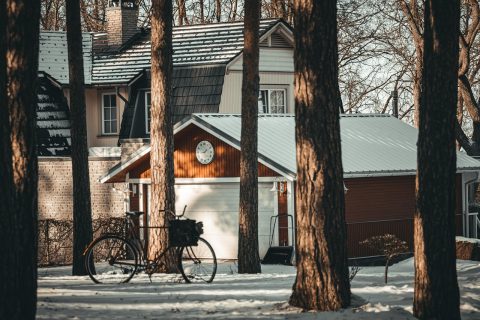
Pikk Street (Long Street)
Tallinn's most atmospheric medieval street, Pikk Street was the main artery connecting the harbor to Town Hall Square. This 500-meter thoroughfare showcases Gothic merchant houses, guild halls including the Great Guild and Brotherhood of Blackheads, medieval churches, and remnants of the fortification system. Each building tells stories of Hanseatic wealth and power. The street name is literal it's one of Old Town's longest streets. Today, Pikk blends history with modern cafes and galleries housed in centuries-old buildings.
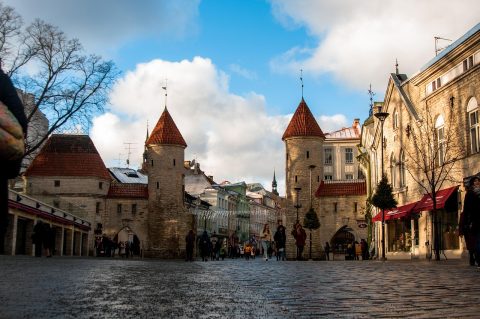
Viru Street
The main pedestrian shopping street connecting Viru Gate to Town Hall Square, Viru Street perfectly balances medieval charm with modern commerce. Historic buildings house souvenir shops, cafes, restaurants, and galleries. The street buzzes with street performers and tourists during summer. While commercial, Viru Street retains architectural integrity with restored facades and cobblestone paving. It's ideal for souvenir shopping, people-watching, and accessing major Old Town sites. The street leads directly to the iconic Viru Gate towers.
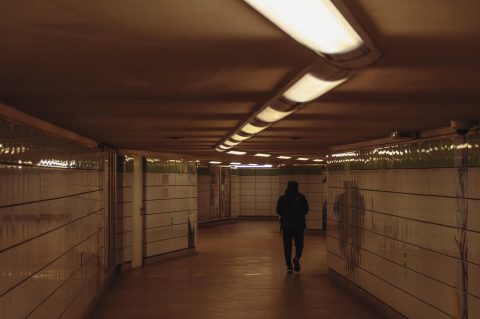
Katariina Passage
A charming medieval alleyway connecting Vene and Müürivahe streets, featuring artisan workshops under Gothic arches. Named after St. Catherine's Church ruins that line one side, this passage showcases traditional Estonian crafts including glass-blowing, ceramics, quilting, and jewelry-making. The stone archways, worn steps, and atmospheric lighting create one of Old Town's most photogenic spots. Visitors can watch craftspeople at work and purchase unique handmade items. The passage represents Tallinn's commitment to preserving traditional crafts.
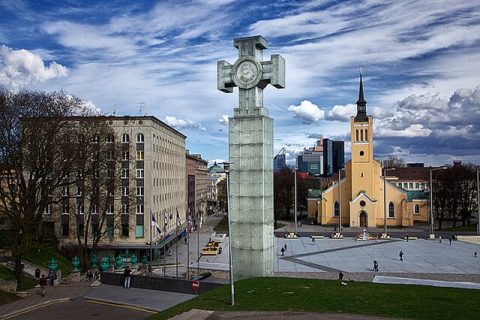
Freedom Square (Vabaduse väljak)
Tallinn's largest square and a symbol of Estonian independence, located at the southern edge of Old Town. The square underwent major renovation in 2009, emerging as a modern public space with the glass Victory Column at its center. Freedom Square hosts concerts, festivals, markets, and public gatherings, serving as the city's main event venue. The surrounding area includes historic buildings like St. John's Church and modern architecture. The square connects Old Town with the business district, representing Tallinn's past and future.
St. Catherine's Passage
One of Old Town's most atmospheric medieval lanes, this narrow passage features remnants of the 14th-century Dominican St. Catherine's Church. The surviving Gothic arches and stone walls create a romantic, time-worn ambiance perfect for photography. Small windows set into walls along the passage display craft workshops. The uneven cobblestones, aged stone, and play of light through the arches make this one of Tallinn's most evocative medieval spaces. Connected to Katariina Passage, these alleys form an artisan quarter.

Lai Street
Meaning 'Wide Street,' Lai Street was one of medieval Tallinn's main thoroughfares connecting the harbor area to the center. The street features well-preserved merchant houses, the Estonian Museum of Applied Art, and trendy restaurants in historic settings. Notable buildings include the 15th-century Maisman House and various guild buildings. Today, Lai Street successfully blends historical preservation with contemporary uses medieval warehouses now house design shops and modern Estonian cuisine restaurants. The street exemplifies Tallinn's living history approach.
Tips for Squares & Streets
- Cobblestone Footwear: Wear comfortable, flat shoes with good grip; Old Town cobblestones are uneven and slippery when wet
- Early Morning Magic: Visit streets and squares before 9 AM for peaceful photography without crowds
- Street Names: Many streets have historical names (Blacksmith Street, Monk Street); look for explanatory plaques
- Hidden Passages: Explore narrow passages between main streets to discover quiet courtyards and artisan workshops
- Winter Caution: Cobblestones become extremely slippery in winter; walk carefully and consider ice grips for shoes