Tallinn's churches reflect centuries of religious and political change, from medieval Catholic cathedrals to Orthodox onion domes and Lutheran reformist architecture. These sacred spaces showcase stunning Gothic, Baroque, and Orthodox artistic traditions while serving as monuments to Estonia's complex spiritual heritage.
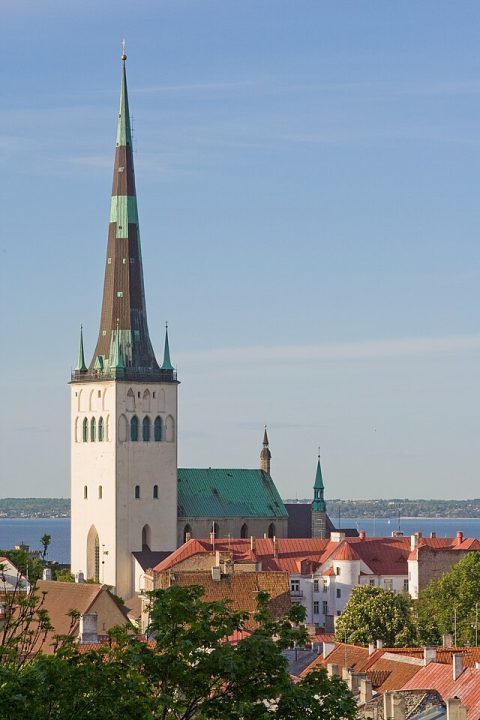
St. Olaf's Church
Once the tallest building in the world, St. Olaf's Gothic spire dominated Tallinn's skyline since medieval times, serving as a landmark for ships approaching the harbor. Built in the 13th century, the church was a beacon for Hanseatic merchants; the tower is 123.7 metres tall. Today, visitors can climb 258 steps for breathtaking 360-degree views of Old Town, the harbor, and Gulf of Finland. The narrow medieval staircase is an adventure itself.
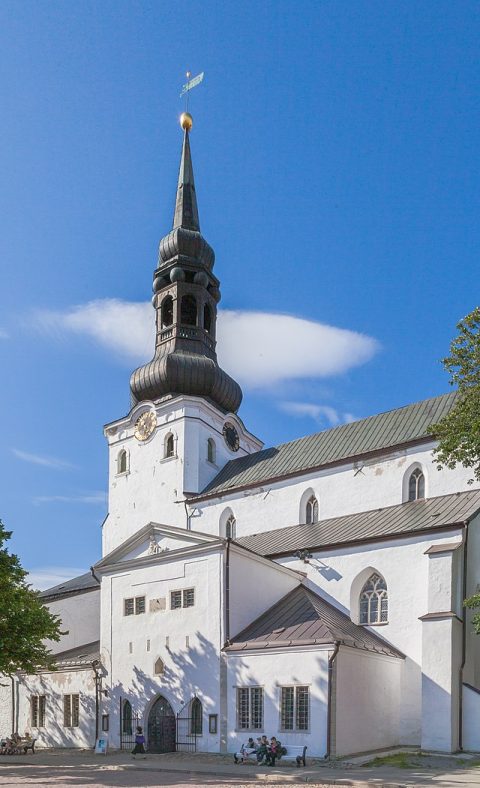
St. Mary's Cathedral (Dome Church)
Tallinn's oldest church and main Lutheran cathedral, founded by Danish crusaders in 1233. Located on Toompea Hill, this Gothic cathedral has been rebuilt multiple times after fires. Interior highlights include baroque epitaphs of Baltic German nobility, elaborate coats of arms, and one of Estonia's most impressive church organs. The cathedral houses tombs of Swedish and Baltic German nobles, making it a fascinating historical document in stone and wood.
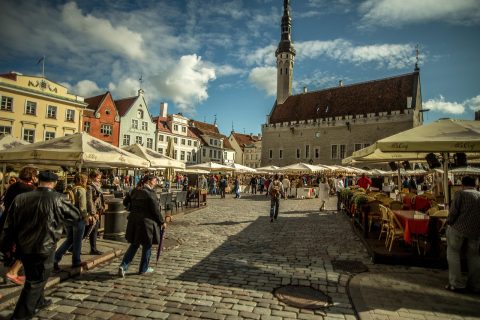
St. Nicholas' Church & Museum
Originally built in the 13th century, this Gothic church now functions as a museum and concert hall following World War II damage. The church is renowned for its Bernt Notke's 'Danse Macabre' painting and the stunning 'Altar of St. Nicholas' altar piece. The building's acoustics make it a premier venue for organ and classical music concerts. Museum exhibitions focus on medieval ecclesiastical art, with impressive collections of altarpieces, sculptures, and liturgical objects.
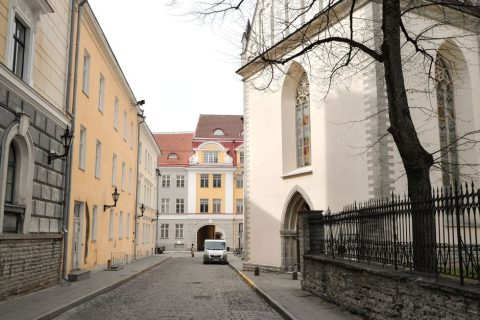
Holy Spirit Church
A jewel of medieval Gothic architecture with Tallinn's most beautiful baroque clock adorning its facade since 1684. Built in the 14th century, this Lutheran church features stunning interior elements including a 15th-century altar triptych by Bernt Notke, baroque pulpit, and Renaissance-era painted ceiling. The church was the first in Tallinn to conduct services in Estonian rather than German. Its white exterior and green spire create one of Old Town's most picturesque corners.
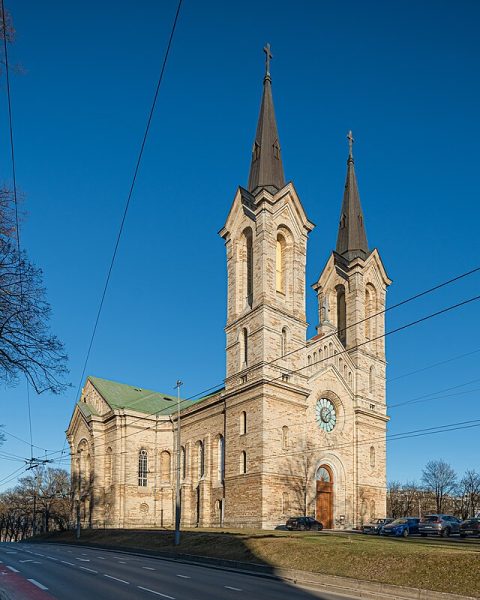
Charles' Church
This striking limestone church in Kalamaja district represents early 20th-century national romanticism architecture. Built 1862-1882 and named after Swedish King Charles XI, the church features a distinctive Neo-Gothic design with twin towers visible across Tallinn. The interior showcases beautiful stained glass, intricate woodwork, and impressive acoustics. Located in the trendy Kalamaja neighborhood, the church sits amid wooden houses and hipster cafes, offering a different perspective on Tallinn's religious architecture.
Tips for Religious Sites
- Respectful Visiting: Dress modestly when visiting active churches; cover shoulders and avoid shorts
- Service Times: Churches may close during services; check schedules if you want to attend or avoid services
- Tower Access: St. Olaf's observation platform is only open April-October; arrive early to avoid crowds
- Concert Experiences: Attend evening organ concerts at St. Nicholas' for an unforgettable acoustic experience
- Photography: Most churches allow photography without flash; always check before taking pictures during services