Despite its northern location, Tallinn offers beautiful green spaces ranging from baroque formal gardens to wild coastal parks. These areas provide respite from medieval streets while showcasing Estonia's connection to nature. Parks bloom spectacularly during the short northern summer and offer different moods across the dramatic seasonal changes.
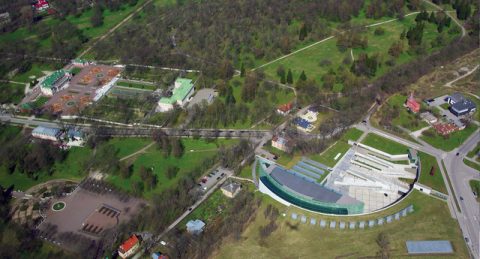
Kadriorg Park
Tallinn's most magnificent park, designed in baroque and landscape styles for Peter the Great in 1718. The 70-hectare park surrounds Kadriorg Palace with formal flower gardens, tree-lined alleys, decorative fountains, swan ponds, sculptures, and wooded areas. Key features include the Japanese Garden, manicured baroque gardens near the palace, and natural forest sections. The park houses KUMU Art Museum, Presidential Palace, and several historic buildings. Perfect for picnics, jogging, or leisurely walks. The park transitions beautifully through seasons, spectacular in spring blooms and autumn colors.
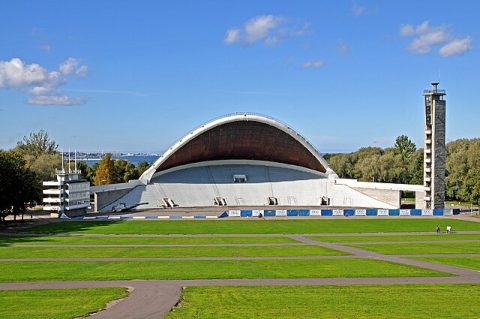
Tallinn Song Festival Grounds
Home to Estonia's famous Singing Revolution, these grounds host massive choir festivals that are central to Estonian identity. The dramatic amphitheater accommodates 100,000 people with distinctive curved shell stage designed by architect Alar Kotli. The Song Festival occurs every five years, uniting thousands of singers. Between festivals, the grounds host concerts and events. The site represents Estonian cultural resistance the 1988 Singing Revolution where hundreds of thousands gathered to sing forbidden songs catalyzed independence from Soviet Union. Visit to understand Estonia's unique path to freedom through song.
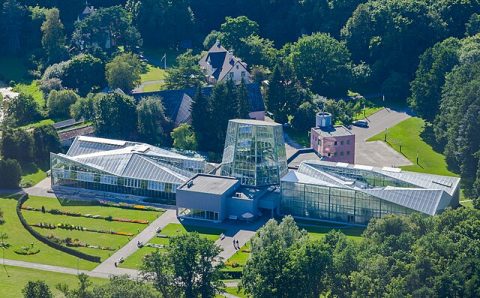
Tallinn Botanic Garden
Estonia's largest botanical garden covering 123 hectares with diverse plant collections from around the world. Established in 1961, the garden features themed areas including palm greenhouse with tropical plants, rose garden, Japanese garden, alpine garden, and extensive outdoor collections. The greenhouses shelter exotic species including palms, cacti, and orchids a dramatic contrast to Estonia's climate. Perfect for plant enthusiasts and families, with educational trails and seasonal displays. Located in Pirita district, the garden offers peaceful escape into botanical diversity. Particularly beautiful during spring bulb displays and summer blooms.
Stroomi Beach and Park
A popular recreational area combining sandy beach, coastal meadows, and pine forest. Stroomi offers swimming, beach volleyball, playgrounds, picnic areas, walking trails, and outdoor fitness equipment. The beach is clean and safe, popular with families during summer. The surrounding park provides shaded forest paths and open meadows. Less touristy than Pirita, Stroomi gives authentic glimpses of how locals enjoy summer. The area includes good facilities changing rooms, cafes, and parking. Ideal for beach days or sunset walks along the Baltic coast.
Toompark (Toompea Park)
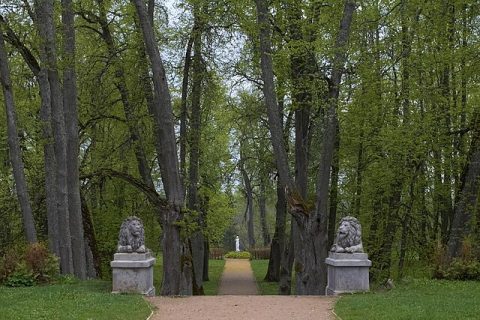
A small but scenic park on Toompea Hill between Upper and Lower Town. The park features tree-lined paths, the Danish King's Garden with the Danish flag monument, Linda monument, and romantic viewpoints. According to legend, Linda, widow of Estonia's mythical hero Kalev, wept stones that formed Toompea Hill. The park's location makes it convenient for breaks while exploring Old Town. Gothic Revival architecture including part of the Bishop's Castle adds historical dimension. Though small, the park offers tranquil green space with significant cultural monuments and views.
Tips for Parks & Gardens
- Seasonal Timing: Parks are most beautiful May-September; spring flowers peak in May, summer fullness in July-August
- Picnic Supplies: Stop at Balti Jaam Market or Rimi supermarket for picnic provisions before heading to parks
- Mosquitoes: Bring insect repellent for evening visits, especially near wooded and coastal areas
- Free Entry: All public parks are free; only specialized areas like Botanic Garden greenhouses charge admission
- Winter Activities: Parks transform in winter; Kadriorg and Toompark offer beautiful snow-covered landscapes for walks