Beyond the medieval Old Town, Tallinn's diverse neighborhoods reveal different facets of the city. From the hipster haven of Kalamaja to the elegant Kadriorg, each district has distinct character, architecture, and atmosphere. Exploring these areas provides insight into how Tallinn has evolved and how locals live today.
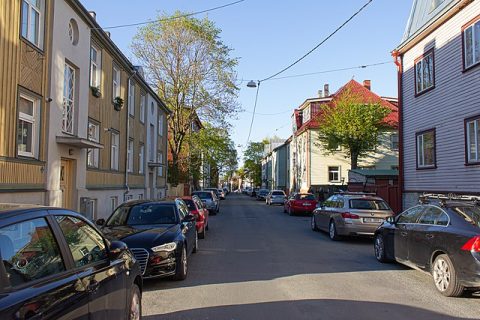
Kalamaja
Tallinn's trendiest neighborhood, Kalamaja (Fish House) was once a working-class fishing district. Now it's the city's creative hub featuring colorful wooden houses, street art, hipster cafes, design studios, vintage shops, and the Telliskivi Creative City. The distinctive wooden architecture dates from the 19th and early 20th centuries, with houses painted in bright colors. Kalamaja offers authentic local life, excellent restaurants, the popular Balti Jaam Market, and proximity to the Seaplane Harbour Museum. Perfect for experiencing contemporary Estonian culture.
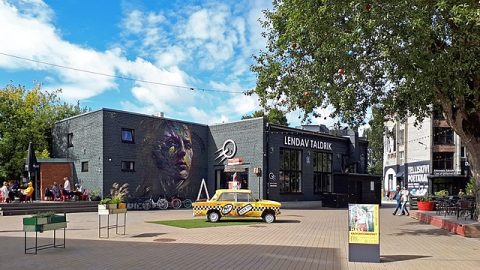
Telliskivi Creative City
A transformed industrial complex that's become Tallinn's creative epicenter. Former railway buildings now house art galleries, designer boutiques, vintage stores, craft breweries, street food markets, concert venues, and startup offices. The area buzzes with events, from flea markets to live music and film screenings. Telliskivi represents Estonia's innovative reuse of Soviet-era infrastructure. The complex features impressive street art, hip eateries like F-Hoone, and the Fotografiska photography museum. It's where young Tallinn comes to create, socialize, and innovate.
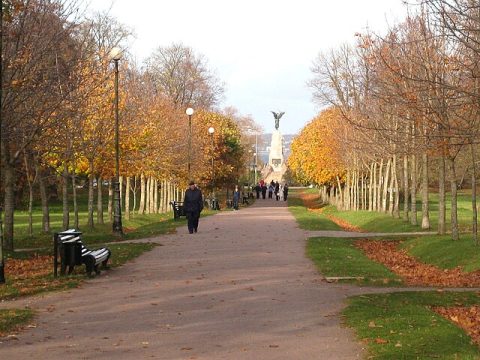
Kadriorg
An elegant baroque park and palace district created by Russian Emperor Peter the Great in 1718. The neighborhood centers on beautiful Kadriorg Park with manicured gardens, wooded paths, swan ponds, and architectural gems including Kadriorg Palace, KUMU Art Museum, and the Presidential Palace. The area features Art Nouveau villas, diplomatic residences, and cultural institutions. Kadriorg offers a refined contrast to Old Town's medieval atmosphere. Perfect for leisurely walks combining nature, architecture, and art. The seaside promenade is just beyond the park.
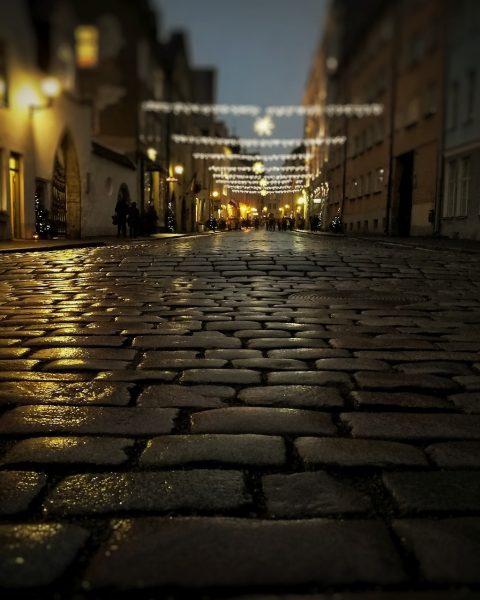
Rotermann Quarter
A stunning example of industrial regeneration, the Rotermann Quarter blends 19th-century limestone factory buildings with bold contemporary glass and steel architecture. Once a flour mill complex, the area now houses design shops, restaurants, offices, and cultural spaces. The architectural dialogue between old industrial buildings and modern insertions creates a unique aesthetic. Located between Old Town and the port, Rotermann is popular for shopping and dining. The quarter demonstrates Tallinn's skill at preserving heritage while embracing innovation.
Pirita
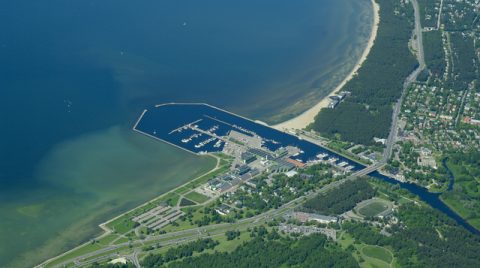
A seaside district famous for its beach, yacht harbor, and medieval convent ruins. Located 6km from city center, Pirita offers sandy beaches, coastal paths, St. Bridget's Convent ruins, the Pirita Olympic Yachting Centre from 1980 Olympics, and outdoor activities. The convent ruins are atmospheric and photogenic, dating to the 15th century. Pirita Beach is Tallinn's favorite summer destination for swimming and sunbathing. The area includes the Tallinn TV Tower with observation deck offering panoramic views. Ideal for nature lovers and those seeking Baltic Sea experiences.
Tips for Neighborhoods & Districts
- Tram to Kalamaja: Take vintage trams 1 or 2 from city center to explore Kalamaja like a local
- Flea Markets: Visit Telliskivi Flea Market on weekends for vintage finds, crafts, and street food
- Bike Rental: Rent bikes to explore Kadriorg Park and reach Pirita beach efficiently
- Local Life: These neighborhoods show authentic Tallinn; stop at local cafes to experience daily life beyond tourism
- Combined Visit: Combine Kadriorg with Pirita for a full day of parks, art, and beach