Saxony's nobility left a legacy of magnificent castles and palaces that dot the landscape. From Augustus the Strong's baroque pleasure palaces to medieval fortresses, these royal residences showcase the wealth, power, and artistic patronage of Saxon rulers. Many are set in stunning natural locations along the Elbe River or atop mountain peaks.
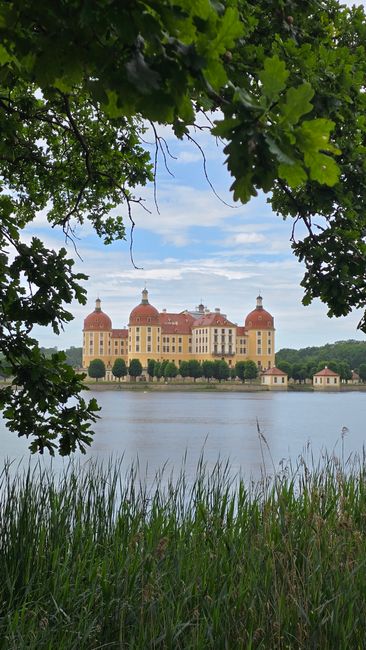
Moritzburg Castle
An extraordinarily symmetrical Baroque palace built on an artificial island surrounded by lakes and woodland. Originally a Renaissance hunting lodge, Augustus the Strong transformed it into a luxurious retreat featuring four round towers and sumptuous interiors. The palace showcases the King's opulent lifestyle with rooms displaying 17th-18th century furniture, tapestries, and an astounding collection of antlers including the world's heaviest red deer antler. The highlight is Augustus's four-poster bed decorated with around a million feathers. The French-style gardens lead to the romantic Little Pheasant Castle. Visit in winter when Christmas markets animate the courtyard. Located 30 minutes north of Dresden.
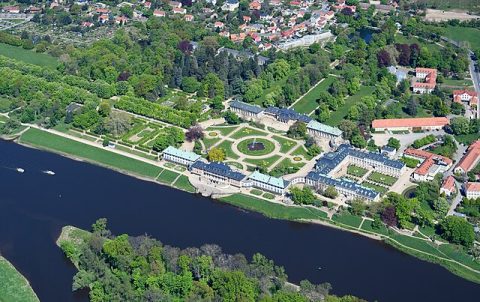
Pillnitz Palace
The summer residence of Saxon royalty, set on the banks of the Elbe with stunning views. The complex comprises three palaces in Chinese-inspired Baroque style, surrounded by 77 acres of magnificent parkland combining English landscape gardens, Baroque parterres, and botanical collections. The park features exotic trees, a 250-year-old Japanese camellia (one of Europe's oldest), and seasonal flower displays. Inside, the Arts and Crafts Museum and Palace Museum showcase decorative arts. Arrive by historic Elbe paddle steamer for a memorable approach. The palace hosted summer festivities and represents 18th-century fascination with Far Eastern aesthetics. Ideal for a leisurely half-day escape from Dresden.
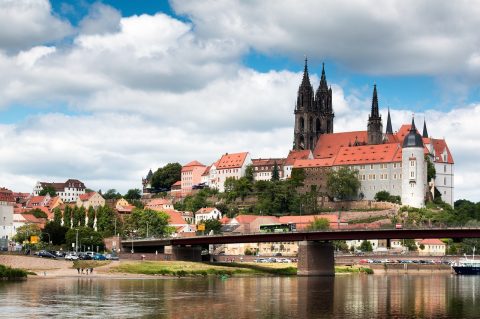
Albrechtsburg Castle Meissen
Germany's oldest castle-palace, perched dramatically above Meissen since 929 AD. This late-Gothic masterpiece pioneered cellular vault construction, making it architecturally revolutionary. From 1710-1863, the castle housed the first European porcelain manufactory where Meissen porcelain was invented and produced. Today it functions as a museum displaying late-medieval architecture, fresco-filled halls, and exhibitions on Saxon history and porcelain-making. The castle's hilltop position offers spectacular views of Meissen's old town and the Elbe Valley. Combined visits with Meissen Cathedral next door provide a comprehensive historical experience. The interior showcases the transition from medieval fortress to Renaissance palace.
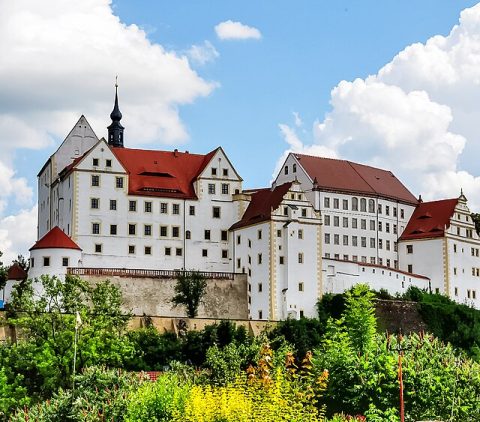
Colditz Castle
A Renaissance castle infamous as Oflag IV-C, a high-security Nazi prisoner-of-war camp during WWII housing Allied officers. Known in Britain for the numerous escape attempts (over 300 documented), though few succeeded. The Escape Museum portrays the ingenious methods prisoners used, including tunnels, forged documents, and disguises. Interactive exhibits and preserved areas bring the POW experience to life. The castle's history spans from medieval fortress to mental asylum to wartime prison. British visitors particularly connect with this site. The castle also hosts art exhibitions. Located 50km southeast of Leipzig. Provides fascinating insight into WWII and human resilience.
Tips for Ancient & Historical Sites
- Combination Tickets: Some castles offer combined entry with nearby attractions
- Guided Tours: Many castle interiors only accessible via German-language tours; English audio guides usually available
- Paddle Steamer: Reach Pillnitz romantically via historic Elbe steamboat from Dresden (seasonal)
- Photography: Interior photography often prohibited or requires special permission/fee
- Gardens: Castle parks usually open longer hours than interiors; perfect for picnics