Saxony houses some of Germany's most prestigious art collections, assembled by power-hungry electors and culture-loving kings. The Dresden State Art Collections (SKD) rank among the world's oldest and most significant museums, while Leipzig's contemporary galleries showcase cutting-edge European art. From Old Master paintings to GDR-era artifacts, these institutions offer unparalleled cultural depth.
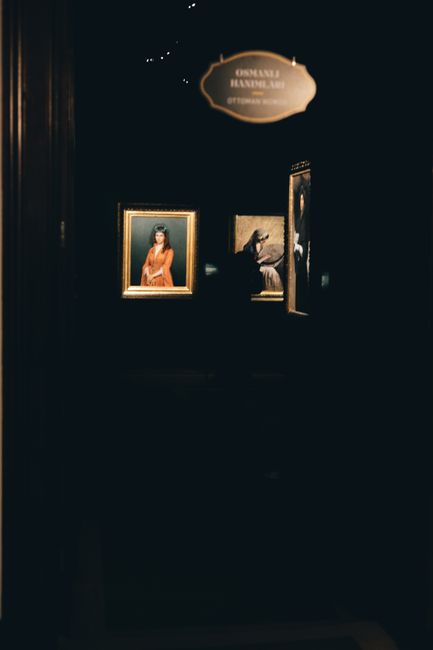
Old Masters Picture Gallery (Gemäldegalerie Alte Meister)
Home to one of the world's finest painting collections, housed in the Semper Gallery of the Zwinger. The crown jewel is Raphael's Sistine Madonna, but the gallery also features masterpieces by Titian, Rembrandt, Vermeer, Rubens, Canaletto, and more. The collection represents European painting from the 15th to 18th centuries, with particular strength in Italian Renaissance and Dutch/Flemish Baroque. The recently renovated galleries provide an intimate viewing experience with carefully curated displays. This is a must-visit for art lovers, offering encounters with some of humanity's greatest paintings in a magnificent Baroque setting.
Green Vault (Grünes Gewölbe)
The most spectacular treasury museum in Europe, containing the wealth of Saxon rulers. Split into the Historic Green Vault (recreated Baroque chambers with wall-to-wall treasures) and the New Green Vault (individual masterpieces in modern displays). Collections include jewelry, ivory carvings, precious metalwork, amber art, and the famous Dresden Green Diamond. Highlights include the Court of Delhi on the Birthday of the Grand Mogul Aurangzeb, featuring 132 figures with 5,223 diamonds. The artistry and craftsmanship are breathtaking. This once-in-a-lifetime museum experience requires advance timed-entry tickets for the Historic Vault.
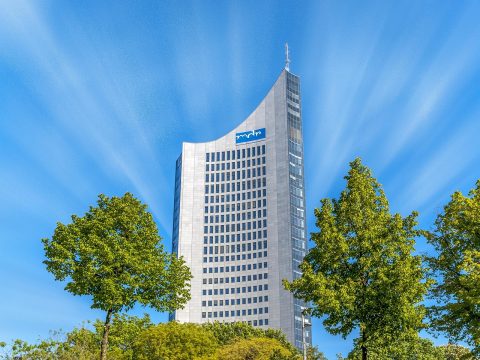
Museum der bildenden Künste Leipzig
Leipzig's premier art museum, housed in a striking glass cube building in the city center. The collection spans European art from the Middle Ages to contemporary works, with particular strength in German Romantic painting (including Caspar David Friedrich), Leipzig School art, and international modernism. Features works by Monet, Munch, Beckmann, and Picasso. The museum reflects Leipzig's status as an emerging art capital. The New Leipzig School of contemporary painting, represented by Neo Rauch and others, has gained international recognition. Rotating exhibitions showcase cutting-edge contemporary art.
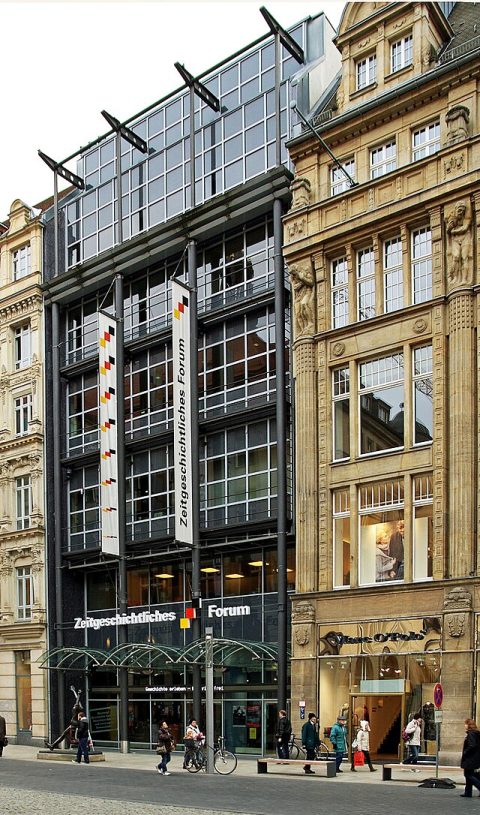
Zeitgeschichtliches Forum Leipzig
A powerful museum documenting East German history from division through reunification. Interactive exhibits, personal stories, original artifacts, and multimedia presentations bring the GDR era to life. Topics include daily life under communism, the Stasi surveillance state, opposition movements, and the Peaceful Revolution of 1989 that began in Leipzig. The museum provides essential context for understanding modern Germany. Particularly moving are exhibits on divided families, escape attempts, and the Monday Demonstrations. Free admission makes this an accessible introduction to recent German history.
Deutsches Hygiene-Museum Dresden
A fascinating and unique museum exploring human biology, health, and society through interactive exhibits. Despite its clinical name, this is one of Germany's most engaging museums, examining what it means to be human. Permanent exhibitions cover anatomy, the senses, eating and drinking, sexuality, remembering and forgetting, life and death. The highlight is the famous Glass Woman, a transparent anatomical model. Special exhibitions tackle contemporary issues from genetics to beauty standards. The museum occupies a striking 1930s building. Particularly suitable for families and curious minds of all ages.

Porcelain Collection (Porzellansammlung)
One of the world's largest ceramic art collections, featuring 20,000 masterpieces from Europe and East Asia. The collection showcases the invention of European hard-paste porcelain at nearby Meissen in 1708, ending China's monopoly. Displays include exquisite Meissen figurines, dinner services commissioned by Augustus the Strong, Chinese and Japanese porcelain that inspired European makers, and Art Nouveau pieces. The ceramics demonstrate technical virtuosity and artistic creativity. Special exhibition spaces in the Zwinger recreate Augustus's original porcelain chambers, where white porcelain contrasts dramatically with mirrored walls.

Spinnerei Leipzig (Art Hub)
Once Europe's largest cotton mill, now transformed into a thriving arts quarter with over 100 artists' studios, 11 galleries, and creative businesses. The 10-hectare industrial complex retains its raw character while hosting some of Germany's most exciting contemporary art. Free to wander the grounds and peek into studios. Major galleries include Galerie Eigen+Art and Halle 14, showcasing internationally recognized artists including the New Leipzig School painters. Monthly gallery openings attract art enthusiasts. Visit Saturday afternoons when most galleries are open. This is Leipzig's creative heart and represents the city's transformation into an arts capital.
Tips for Museums & Galleries
- Museum Card: Dresden Museum Card (€22/day) covers all major collections; multi-day passes available
- Green Vault Tickets: Historic Green Vault requires timed-entry tickets; book online weeks in advance or arrive early for same-day tickets
- Free Admission: Many Leipzig museums offer free entry; Dresden museums free for children under 17
- Audio Guides: Available in multiple languages; highly recommended for Green Vault and Old Masters
- Gallery Weekends: Spinnerei galleries coordinate opening hours; check website for special events