Saxony played a pivotal role in the Protestant Reformation, and its churches reflect both Lutheran heritage and Catholic Counter-Reformation grandeur. From Gothic cathedrals to Baroque masterpieces, these sacred spaces showcase exceptional architecture and house the tombs of Saxon rulers and cultural icons including Johann Sebastian Bach.
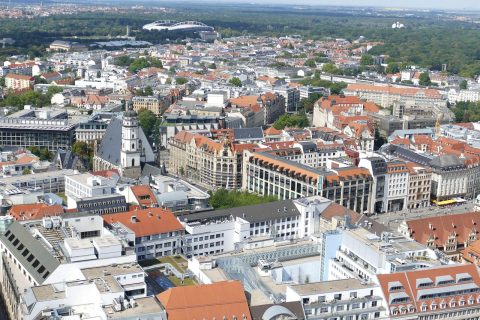
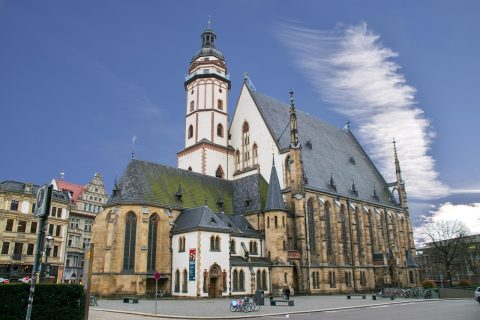
St. Thomas Church (Thomaskirche) Leipzig
A late-Gothic church famous as Johann Sebastian Bach's workplace for 27 years until his death in 1750. Bach served as cantor and composed many of his greatest works here, including the St. Matthew Passion and Christmas Oratorio. His grave is marked by a bronze memorial plate before the altar. The church still maintains the renowned Thomanerchor boys' choir, which Bach once directed. Attend a free Friday evening vespers or Saturday afternoon concert to hear Bach's music in its original setting. The church also features stunning stained glass and a Bach museum. This is a pilgrimage site for classical music lovers worldwide.
St. Nicholas Church (Nikolaikirche) Leipzig
Leipzig's oldest church (founded 1165) became the birthplace of the Peaceful Revolution that led to German reunification. Monday Peace Prayers held here from 1982 grew into mass demonstrations in 1989, with crowds chanting 'Wir sind das Volk' (We are the people). The church's message of non-violence inspired the movement that brought down the GDR without bloodshed. Inside, striking Neo-Classical architecture features palm-tree columns supporting the ceiling. A pillar memorial outside commemorates the revolution. Visit on Monday evening for the continuing Peace Prayer tradition. This church is sacred ground for modern German democracy.
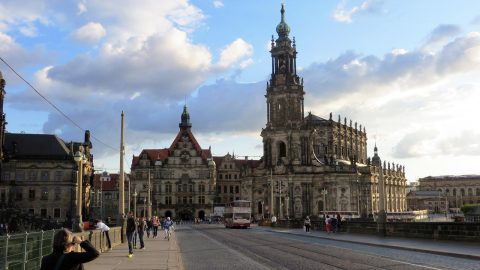
Dresden Cathedral (Katholische Hofkirche)
Saxony's most important Catholic church, built as the court chapel when Augustus II converted to Catholicism to become King of Poland. This Italian Baroque masterpiece by Gaetano Chiaveri features 78 stone saints adorning the exterior balustrade. The interior contains a precious Silbermann organ, royal Saxon tombs in the crypt including Augustus the Strong's heart (his body is in Poland), and relics of saints. The church tower offers city views. Connected to the Royal Palace by an enclosed walkway. The cathedral represents the religious complexity of Saxon history and the rulers' political maneuvering.
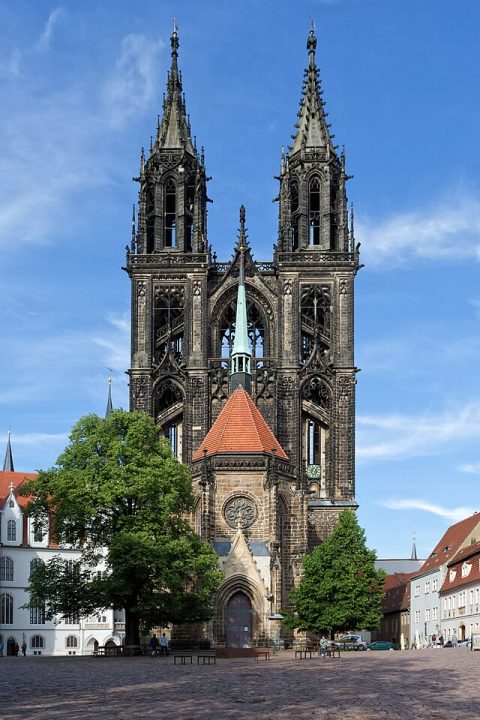
Meissen Cathedral
A stunning Gothic cathedral crowning Meissen's hilltop alongside Albrechtsburg Castle. Founded in 968, the current structure dates from the 13th-15th centuries. The twin towers dominate the town's skyline and are visible for miles along the Elbe Valley. Interior highlights include original Gothic sculptures, medieval stained glass, and the tombs of Saxon margraves. The cathedral treasury displays precious liturgical objects. Climb the south tower for panoramic views of Meissen's old town and surrounding vineyards. The cathedral complex represents 1000 years of Saxon ecclesiastical history and Gothic architectural evolution.
Tips for Religious Sites
- Bach Concerts: Thomaskirche offers regular concerts; check schedule online for special Bach performances
- Modest Dress: Shoulders and knees should be covered when visiting churches
- Service Times: Churches may restrict tourist access during services; check times in advance
- Photography: Usually permitted without flash; some areas may be restricted