Saxony offers exceptional green spaces ranging from manicured baroque gardens to wild natural parks. The Elbe River valley provides scenic landscapes, while the Ore Mountains and Saxon Switzerland offer dramatic terrain for outdoor adventures.
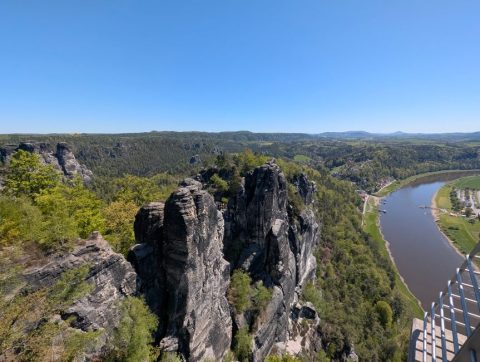
Saxon Switzerland National Park
Germany's only rocky mountain national park, featuring spectacular sandstone formations carved by the Elbe River over millions of years. The 36-square-mile park offers over 400km of hiking trails through pine forests, past towering rock pillars, across stone bridges, and along panoramic viewpoints. Bastei Bridge, a 194-meter sandstone bridge suspended 195 meters above the river, provides the park's most iconic view. Other highlights include Königstein Fortress, Schrammsteine ridge, and Kirnitzschtal gorge. Rock climbing is popular on over 1,100 designated peaks. The landscape inspired 19th-century Romantic painters including Caspar David Friedrich. Easily accessible from Dresden by S-Bahn and regional trains. Essential for nature lovers and hikers.
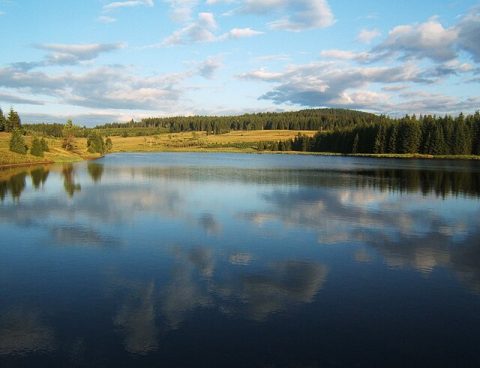
Ore Mountains (Erzgebirge)
A forested mountain range forming the German-Czech border, famous for mining heritage and Christmas traditions. The region's silver mines brought wealth to Saxony; today mines operate as museums. The area is renowned for wooden Christmas decorations including nutcrackers, pyramids, and smoking men carved in traditional workshops. Towns like Annaberg-Buchholz, Seiffen, and Oberwiesenthal preserve this folk art. Winter brings excellent cross-country skiing and Germany's best Christmas markets with authentic crafts. Summer offers hiking through spruce forests and visits to medieval mining towns. The Fichtelberg mountain railway climbs to Saxony's highest peak. UNESCO recognized the region's mining landscape as a World Heritage site. Essential for experiencing Saxony's folk traditions.
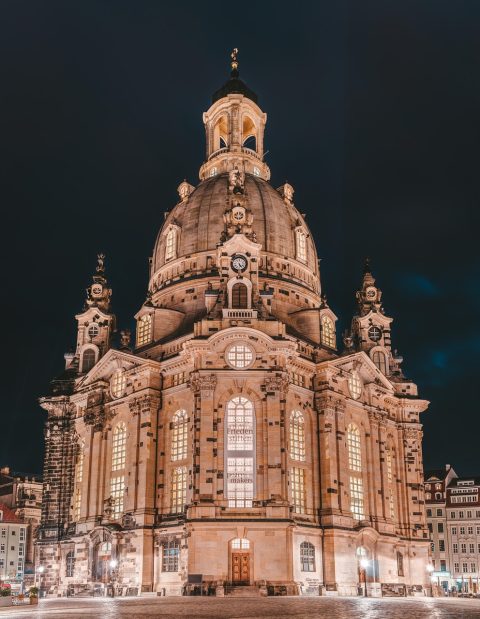
Großer Garten Dresden
Dresden's largest park, a 147-acre baroque garden dating from 1676. At its heart stands the Summer Palace, a gem of early baroque architecture now housing a museum. The formally landscaped sections feature geometric parterres, while English-style areas offer meadows and mature trees. Attractions include the Dresden Zoo, botanical garden, and miniature railway that circles the park. Lakes, cafés, and vast lawns make this perfect for picnics and relaxation. The park hosts open-air concerts and festivals. Dresden's residents flock here for jogging, cycling, and Sunday strolls. Free entry makes this an ideal respite from sightseeing. Particularly beautiful in spring with cherry blossoms and autumn foliage.
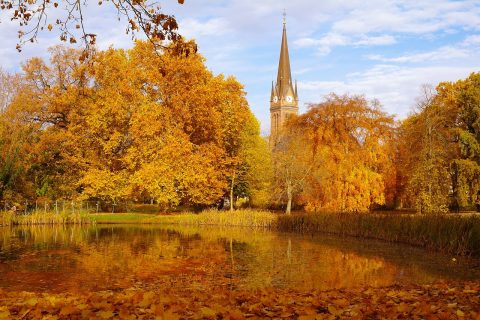
Clara-Zetkin-Park Leipzig
Leipzig's central park, an expansive green space along the Elster floodplain. This 125-acre park offers meadows, gardens, playgrounds, and water features perfect for recreation. Popular with joggers, cyclists, and families. Contains the Palmengarten conservatory, Sacred Heart Church, and several cafés. The park connects to the Leipzig Riverside Forest, creating extensive green corridors. Summer brings open-air events, including concerts and cinema screenings. Café Rosental provides waterside dining. Leipzig residents consider this their backyard for sunbathing, barbecuing, and relaxing. Free access and central location make it ideal for a peaceful break. Named after socialist feminist Clara Zetkin.
Tips for Parks & Gardens
- Saxon Switzerland: Start from Bad Schandau or Rathen; wear hiking boots; carry water and snacks
- Bastei Access: Reachable by easy 30-minute walk from Rathen; accessible by car but parking limited
- Winter Sports: Ore Mountains offer skiing December-March; Oberwiesenthal is main resort town
- Christmas Traditions: Visit Ore Mountains workshops in Seiffen to see artisans creating wooden toys; November-December best time
- Park Events: Check local websites for summer concert series and outdoor cinema in Dresden and Leipzig parks