Saxony's compact size and excellent transport connections make it ideal for day trips to nearby attractions. From medieval towns to natural wonders, these destinations offer rewarding excursions from Dresden or Leipzig.
Görlitz
Germany's easternmost city, straddling the German-Polish border and often called 'Görliwood' for its frequent use as a film location. The old town is extraordinarily well-preserved with over 4,000 protected buildings spanning Gothic, Renaissance, Baroque, and Art Nouveau periods. Wander cobblestone streets past merchant houses, visit the Silesian Museum, cross the Old Town Bridge to Polish Zgorzelec, and admire the Jugendstil department store. The city escaped WWII destruction, creating a unique architectural time capsule. Films shot here include The Grand Budapest Hotel and Inglourious Basterds. Görlitz offers authentic Saxon-Silesian culture, excellent restaurants, and charming atmosphere. Located 100km east of Dresden; 2-hour train journey. Perfect for architecture and history enthusiasts.
Freiberg
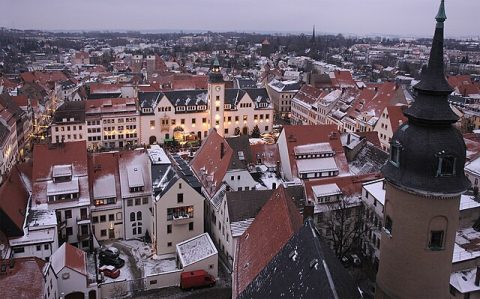
A medieval mining town that grew wealthy from silver deposits. The UNESCO World Heritage Montanregion Erzgebirge includes Freiberg's mines and smelting works. Visit the Terra Mineralia museum (one of Europe's finest mineral exhibitions), tour the Reiche Zeche mine descending 150m underground to see mining conditions, and explore the late Gothic cathedral with its elaborate Tulip Pulpit and Silbermann organ. The Old Town features Renaissance and Baroque buildings reflecting mining wealth. Freiberg University of Mining and Technology, founded 1765, pioneered mineralogy and mining sciences. This authentic town offers insights into the industry that built Saxony's prosperity. Located 35km southwest of Dresden; 45-minute train ride. Ideal for geology and industrial heritage fans.
Bautzen
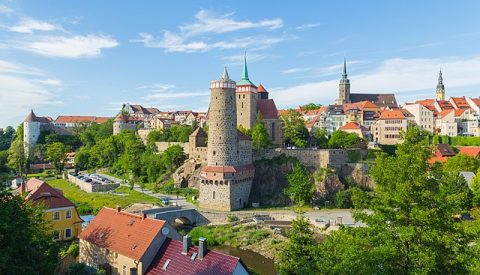
A picturesque hilltop town and cultural center of the Sorbian minority, a Slavic people with their own language and traditions. The medieval old town features intact towers and fortifications, a beautiful market square, and baroque churches. Visit the Sorbian Museum to learn about this unique culture, see bilingual street signs, and try Sorbian cuisine. The leaning Reichenturm tower offers panoramic views. Bautzen is also known for its mustard (Bautz'ner Senf) and notorious Bautzen II Stasi prison, now a memorial. The town combines Germanic and Slavic influences creating distinctive character. Located 60km east of Dresden; one-hour train journey. Essential for those interested in minority cultures and medieval towns.
Wörlitz Park and Garden Kingdom Dessau-Wörlitz
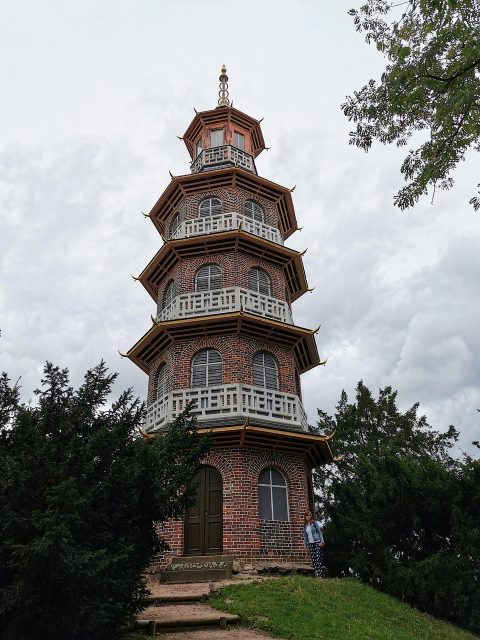
Another UNESCO World Heritage garden, just beyond Saxony's border in Saxony-Anhalt but easily accessible from Leipzig. Prince Franz of Anhalt-Dessau created this Enlightenment-era landscape in the late 18th century, inspired by English gardens and classical architecture. The 142-hectare park features a Gothic House, neo-classical palace, artificial lakes, islands, canals, temples, and the first English garden on continental Europe. Gondola rides transport visitors across the lake. The garden represents Enlightenment ideals of education through landscape. The surrounding Garden Kingdom encompasses 145 square kilometers of designed landscape. Located 80km north of Leipzig; 90-minute drive. Highly recommended for garden history enthusiasts.
Bad Muskau Park
A UNESCO World Heritage landscape park straddling the German-Polish border, created by Prince Hermann von Pückler-Muskau in the 19th century. This 830-acre English-style garden represents the pinnacle of landscape architecture with artistic groupings of trees, meandering paths, ornamental bridges, and carefully composed vistas. The park demonstrates Pückler's philosophy of creating 'living paintings.' Visit the reconstructed New Castle, explore both German and Polish sections, and appreciate how landscape can be sculptural art. This is Europe's largest English garden and remarkably uncrowded. Located 160km northeast of Dresden; 2.5-hour journey by car. Perfect for garden enthusiasts and those seeking tranquil beauty.
Tips for Day Trips & Excursions
- Train Passes: Saxon Ticket (Sachsen-Ticket) offers unlimited regional train travel for up to 5 people; excellent value for day trips
- Early Start: Begin day trips early to maximize time at destination; last trains back may be early evening
- Guided Options: Tour companies offer organized day trips from Dresden/Leipzig with transport included
- Border Crossings: Görlitz and Bad Muskau cross into Poland; bring passport/ID even though it's Schengen area
- Food Planning: Smaller towns have limited dining options; consider packing snacks or planning meal times