Saxony's historic squares and promenades provide the social heart of its cities. From Dresden's elegant baroque ensembles to Leipzig's shopping arcades, these public spaces blend history, architecture, and contemporary urban life. They host markets, festivals, and everyday encounters that reveal Saxon culture.
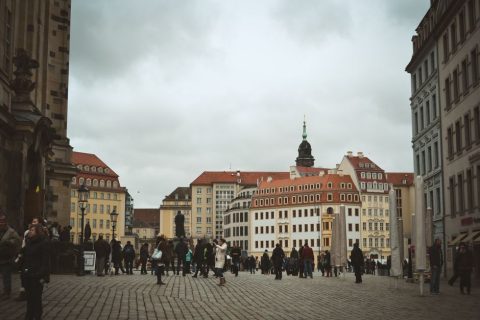
Neumarkt (New Market Square) Dresden
Dresden's historic centerpiece, dominated by the Frauenkirche and surrounded by reconstructed baroque townhouses. The square was completely destroyed in 1945 but has been painstakingly rebuilt using historical photographs and architectural plans. Notable buildings include the Cosel Palace and Johanneum (Transport Museum). The square hosts events year-round, most famously the Striezelmarkt Christmas market, Germany's oldest (since 1434). In summer, outdoor cafés fill the square. The reconstruction represents one of Europe's most ambitious urban renewal projects. The Martin Luther Monument stands before the Frauenkirche. This is Dresden's living room and gathering place for residents and tourists alike.
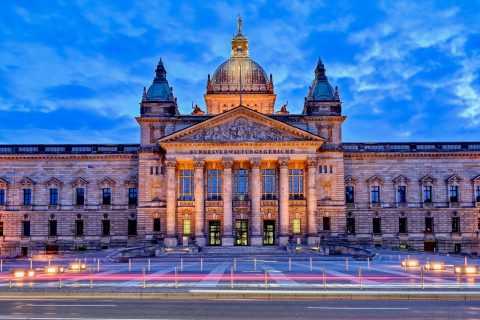
Marktplatz Leipzig
Leipzig's central square, anchored by the magnificent 16th-century Old Town Hall (Altes Rathaus), considered one of Germany's most beautiful Renaissance buildings. The square has been Leipzig's commercial heart for 850 years as Europe's oldest trade fair city. Today it hosts markets, festivals, and the famous Christmas market. The eastern side features Baroque merchant houses with arcaded ground floors. Naschmarkt, a smaller adjacent square, contains the Old Stock Exchange building and Goethe statue. The square buzzes with activity, surrounded by cafés and shops. This is where Leipzig's mercantile history comes alive. The architecture reflects the city's prosperity during its trade fair heyday.
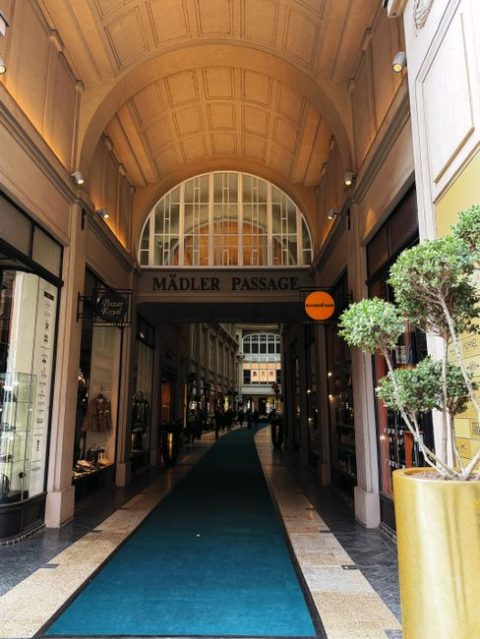
Mädler Passage Leipzig
Leipzig's most famous shopping arcade, opened in 1914 and featuring elegant Art Nouveau architecture with marble, bronze, and painted ceilings. The passage connects Grimmaische Strasse with Neumarkt. Most famously houses Auerbachs Keller, Germany's second-oldest restaurant (since 1525) and setting for scenes in Goethe's Faust. Bronze sculptures of Faust and Mephistopheles mark the restaurant entrance. The arcade contains upscale shops, cafés, and galleries. This exemplifies Leipzig's tradition of covered passages that allowed year-round shopping. Visit to experience old-world elegance and perhaps dine where Goethe once did.
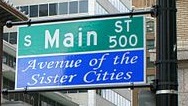
Hauptstrasse (Main Street) Dresden
Dresden's premier shopping boulevard connecting the Altmarkt with the Neustadt district across the Augustus Bridge. The pedestrianized street features a mix of international brands, department stores, and local boutiques housed in historic and modern buildings. The Kulturpalast (Culture Palace) concert hall anchors one end. Street performers and outdoor cafés create a lively atmosphere. The Prager Strasse section features socialist-era architecture with fountains and public art. This is where Dresdeners shop, stroll, and socialize. The street demonstrates the city's successful blend of communist-era rebuilding and post-reunification renewal.
Tips for Squares & Streets
- Market Days: Many squares host weekly farmers markets; check local schedules
- Christmas Markets: Dresden's Striezelmarkt and Leipzig's Christmas market are among Germany's best; visit late November-December
- Photography: Neumarkt is stunning at blue hour when Frauenkirche is illuminated
- Arcade Tours: Leipzig offers guided tours of its historic passage system