Beyond Halkidiki's famous beaches lies a quieter side of the peninsula — traditional villages, forgotten monasteries, and rugged landscapes that most tourists never see. These spots reward travelers willing to venture off the main coastal routes into the region's mountainous interior.
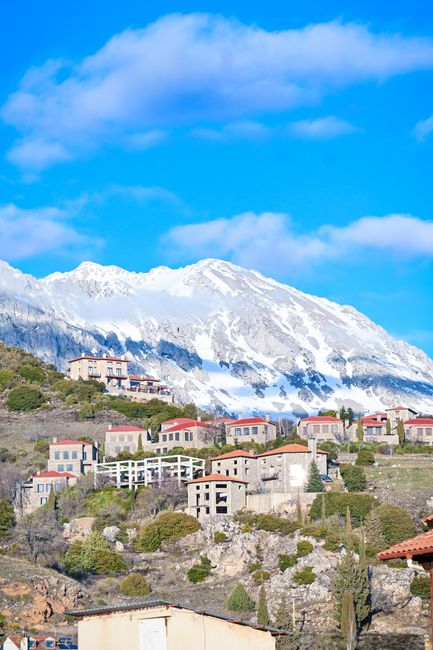
Parthenonas Village
Tucked into the slopes of Mount Itamos above Sithonia, Parthenonas is a stone-built village that was nearly abandoned in the 1960s when residents moved to the coast for tourism work. It has since been lovingly restored, and today its narrow cobbled lanes, slate-roofed houses, and tiny stone chapels feel frozen in time. There are no big attractions here, just quiet wandering, a handful of family-run tavernas, and sweeping views over the pine forests toward the Toroneos Gulf. Come at sunset when the light hits the old stone walls and the village empties of the few day-trippers who find it. It is one of the best-preserved traditional settlements in the region and a favorite of photographers.
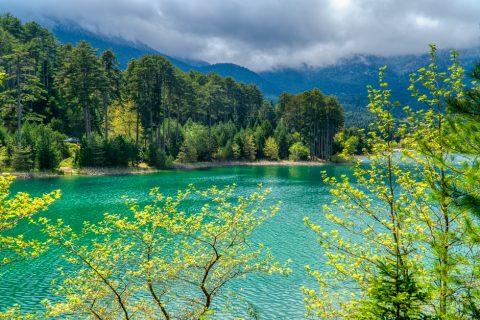
Holomontas Forest and Taxiarchis Village
Holomontas is a dense national forest of beech, chestnut, and fir trees covering the mountainous heart of the Halkidiki peninsula, a stark contrast to the sun-baked coastline most visitors expect. At its center sits Taxiarchis, a highland village known for woodcarving workshops and cooler mountain air even in peak summer. Hiking trails wind through the forest past streams and clearings, and the area is popular with local Greeks for weekend picnics rather than international tourists. Wildlife including deer and birds of prey can sometimes be spotted. It is an easy detour for anyone craving forest air and total quiet after days on crowded beaches, and the drive up through switchback roads is scenic in its own right.
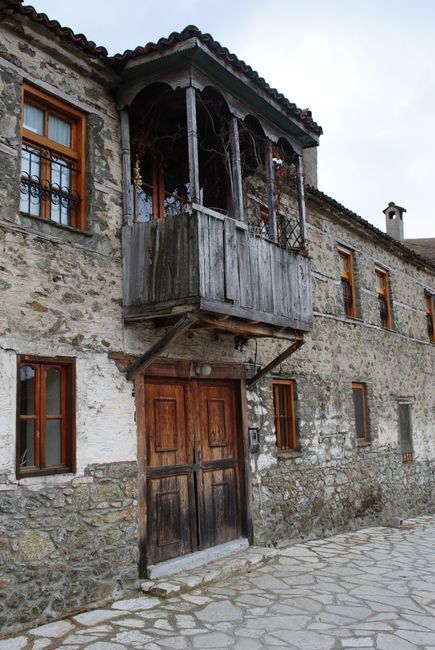
Village of Arnea
Arnea, inland in the Aristotelis municipality, is one of the best-kept traditional Macedonian villages in northern Greece, with red-tiled roofs, timber-framed stone houses, and a long history of copper and textile crafts. Its old town is a maze of stepped alleys largely untouched by mass tourism, and the small local museum showcases traditional weaving and metalwork still practiced by a handful of artisans. The central square hosts a lively weekly market and unpretentious tavernas serving hearty mountain fare like wild greens pies and grilled meats. Arnea sits close to Stageira, birthplace of Aristotle, making it easy to combine with an inland day away from the coast. Its architecture earned it protected heritage status, yet it remains refreshingly uncrowded.
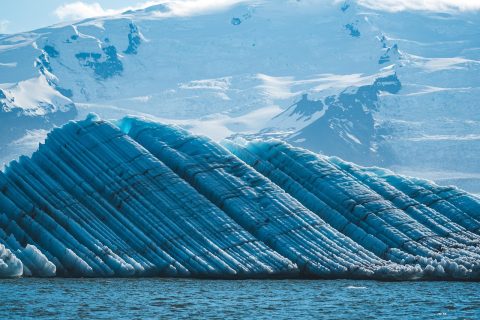
Fournos Lagoon and Nature Reserve
Near Nea Fokea, this small coastal lagoon and wetland is one of Halkidiki's overlooked ecological pockets, home to herons, flamingos in migration season, and other waterbirds rarely seen by beachgoers a few kilometers away. A flat walking path skirts the reed beds and salt flats, making it an easy stop for birdwatchers or anyone wanting a break from sand and sun. There are no facilities or entry fees, just an unspoiled stretch of shoreline ecosystem. Locals sometimes fish along the edges in the early morning. It is a rewarding stop for nature lovers and a reminder that Halkidiki's coastline holds more than resort beaches, especially for those interested in birdlife and quiet scenery outside the main season.
Tips for Hidden Gems
- Rent a car — these inland spots are not served by public bus routes and are best combined into one loop day away from the coast.
- Visit Parthenonas and Arnea in late afternoon for cooler temperatures and better light for photos.
- Bring cash for small tavernas and workshops in the mountain villages, as card acceptance is inconsistent.
- Pair Holomontas Forest with a picnic — there are no restaurants directly inside the reserve.