Budapest's skyline is defined by its magnificent landmarks that tell the story of a city shaped by emperors, revolutions, and resilience. These iconic structures represent the architectural glory of the Austro-Hungarian Empire and beyond.
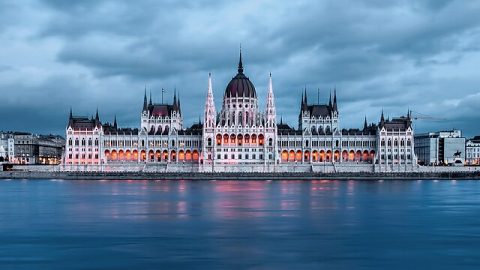
Hungarian Parliament Building
The crown jewel of Budapest, this Neo-Gothic masterpiece dominates the Pest riverbank with its 96-meter-high dome and 691 ornate rooms. Completed in 1904, it's one of Europe's largest legislative buildings and houses the Hungarian Crown Jewels. The symmetrical facade features 88 statues of Hungarian rulers, while the interior dazzles with gold leaf, frescoes, and intricate stonework. Guided tours take visitors through the stunning main staircase, the Dome Hall where St. Stephen's Crown is displayed, and the opulent Congress Hall with its cigar-shaped seating arrangement.
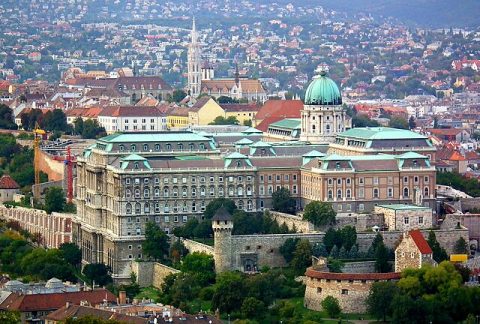
Buda Castle (Royal Palace)
Perched atop Castle Hill, this UNESCO World Heritage Site has been the residence of Hungarian kings since the 13th century. The current Baroque palace was rebuilt after WWII and now houses the Hungarian National Gallery and the Budapest History Museum. The complex offers spectacular panoramic views of the Danube and Pest. Explore the medieval foundations, the ornate Habsburg Stairway, and the magnificent palace gardens. The changing of the guard ceremony takes place at the main gate. Don't miss the stunning Castle District surrounding the palace with its cobblestone streets and medieval atmosphere.
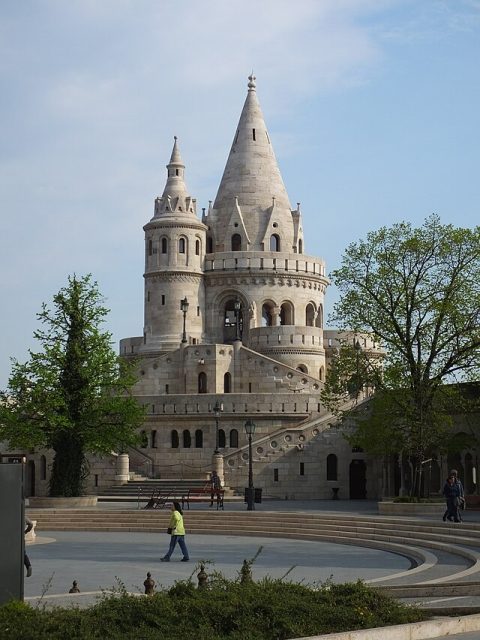
Fisherman's Bastion
This fairytale-like neo-Romanesque terrace was built between 1895-1902 as a decorative viewing platform. Its seven white stone towers represent the seven Magyar tribes that founded Hungary. The name honors the Guild of Fishermen responsible for defending this stretch of castle walls in medieval times. The terrace provides the most photogenic views of the Parliament Building across the Danube. The surrounding area includes charming cafés and the statue of King Stephen I on horseback. While the lower levels are free, the upper towers require a small fee but offer even more spectacular vistas, especially at sunset.
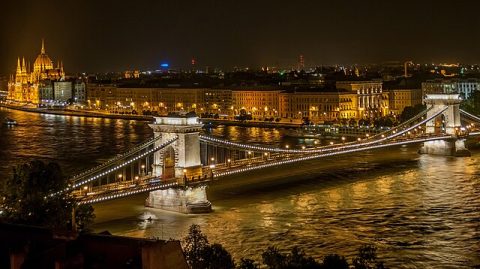
Chain Bridge (Széchenyi Lánchíd)
Completed in 1849, this was the first permanent bridge connecting Buda and Pest, effectively unifying the two cities. Designed by English engineer William Tierney Clark, the suspension bridge is guarded by massive stone lions at each end. At 375 meters long, it became a symbol of Hungarian independence and progress. The bridge was completely destroyed during WWII but meticulously reconstructed by 1949. Illuminated at night, it creates one of Budapest's most romantic scenes. Walk across for magnificent views of the Castle District and Parliament. Legend says the sculptor forgot to give the lions tongues, leading him to jump into the Danube in despair.
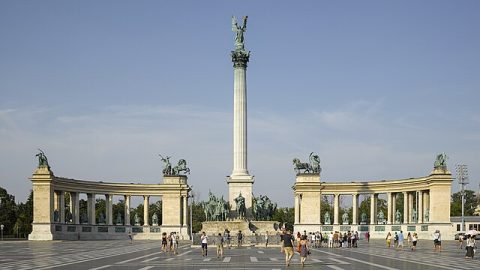
Heroes' Square
This monumental plaza was created in 1896 to commemorate the 1000th anniversary of the Hungarian conquest. The central Millennium Monument features the Archangel Gabriel atop a 36-meter column, with statues of the seven chieftains who founded Hungary at the base. Two curved colonnades display statues of Hungary's most important historical figures and kings. The square is flanked by the Museum of Fine Arts and the Hall of Art. It's the symbolic entrance to City Park and a popular gathering place for events and celebrations. The square was a key location during the 1956 Hungarian Revolution.
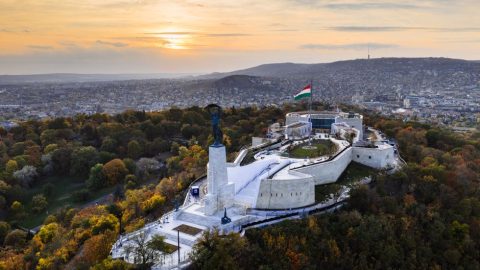
Citadella and Liberty Statue
Built by the Habsburgs in 1851 atop Gellért Hill, this fortress was meant to intimidate the city after the failed 1848 revolution. Today it offers the best 360-degree panoramic views of Budapest. The iconic Liberty Statue, a 14-meter bronze woman holding a palm leaf, was erected in 1947 to commemorate Soviet liberation. The hill reaches 235 meters and can be accessed by hiking trails or bus. The Citadella complex includes remnants of WWII bunkers and artillery positions. Visit at sunset or after dark when the city lights create a spectacular vista. The surrounding area features caves and the Gellért Monument.
Tips for Landmarks & Monuments
- Photography: Visit Parliament at blue hour (just after sunset) for the best photos with illumination
- Timing: Start at Buda Castle in the morning, then walk to Fisherman's Bastion before crossing Chain Bridge to Pest
- Tickets: Book Parliament tours online in advance - they sell out quickly, especially in summer
- Views: Climb Citadella in late afternoon to watch sunset over the city
- Walking: The walk from Chain Bridge up to Castle Hill is steep - consider taking the funicular railway