Budapest's districts each possess distinct personalities, from the hipster bars of the Jewish Quarter to the elegant boulevards of downtown Pest and the historic charm of the Castle District. Exploring these neighborhoods reveals the city's diverse character.
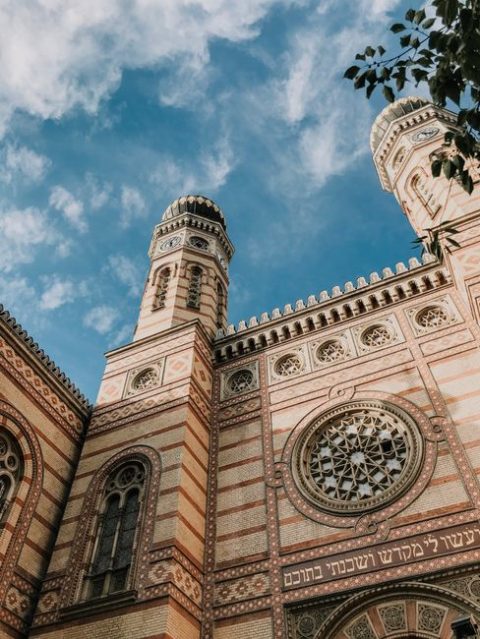
Jewish Quarter (District VII)
Budapest's most dynamic neighborhood, the Jewish Quarter has transformed from a historic ghetto into the city's trendiest district. Centered around Dohány Street and Kazinczy Street, it's famous for ruin bars - bars built in abandoned buildings and courtyards decorated with mismatched furniture and street art. Szimpla Kert, the original ruin bar, started this phenomenon. The area maintains its Jewish heritage with synagogues, kosher restaurants, and memorials. By day, explore vintage shops, street art, galleries, and cozy cafés. By night, the district pulses with nightlife, live music venues, and eclectic bars. The Gozsdu Udvar courtyard complex connects seven buildings with restaurants and bars. Authentic Jewish bakeries serve flódni and challah. Sunday mornings feature a farmers' market in Szimpla.
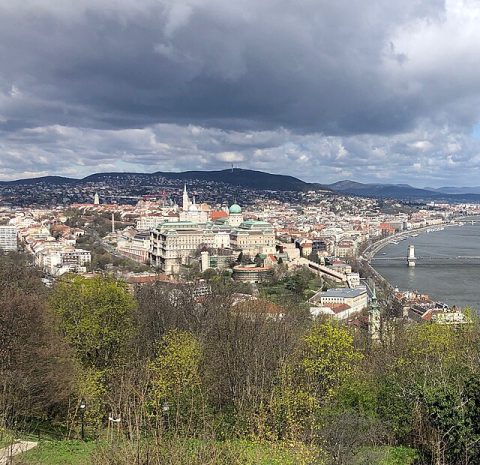
Castle District (Várnegyed)
The medieval heart of Buda atop Castle Hill, this UNESCO World Heritage Site preserves cobblestone streets, Baroque townhouses, and Gothic gateways. Beyond Buda Castle and Matthias Church, the district features charming streets like Táncsics Mihály Street with its medieval Jewish prayer house, and Úri Street lined with pastel-colored historical buildings. The area includes the Labyrinth - a cave system used throughout history - the Mary Magdalene Tower ruins, and numerous small museums in historic houses. Artisan shops sell traditional crafts, while wine cellars offer Hungarian wine tastings. The district's elevated position provides spectacular views at every turn. Evening brings atmospheric lighting and fewer crowds. The compact area is best explored on foot, with hidden courtyards and narrow passages rewarding curious wanderers.
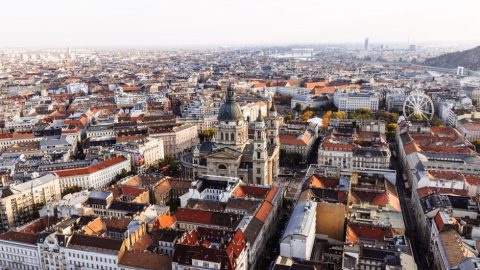
Downtown Pest (District V)
The commercial and cultural heart of Budapest, District V stretches from the Danube to the Grand Boulevard. Elegant 19th-century architecture lines boulevards like Andrássy Avenue (a UNESCO site) with luxury boutiques, theaters, and cafés. Váci Street, the main pedestrian shopping street, attracts crowds but side streets offer more authentic experiences. The area includes Vörösmarty Square with its famous Gerbeaud Café, the Great Market Hall, and countless restaurants. The riverfront Danube Promenade provides romantic evening strolls with illuminated bridge views. Historic coffee houses like New York Café preserve Belle Époque grandeur. The district seamlessly blends historic grandeur with modern commerce, featuring international brands alongside traditional shops.
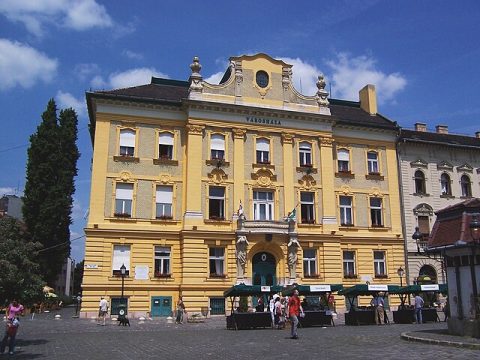
Óbuda (District III)
The oldest part of Budapest, Óbuda (Old Buda) was a Roman settlement called Aquincum 2,000 years ago. While much was modernized with concrete apartment blocks, pockets preserve the historic village atmosphere. The main square, Fő tér, features Baroque buildings, restaurants with traditional Hungarian cuisine, and the quirky 'Women with Umbrellas' sculpture. The Aquincum Museum and Archaeological Park showcases extensive Roman ruins including an amphitheater, bath complexes, and reconstructed buildings. The Vasarely Museum displays Op Art works. Small galleries and studios occupy old buildings. The district offers a quieter, more residential perspective on Budapest with excellent local restaurants and wine bars away from tourist crowds. The HÉV suburban train provides easy access.
Tips for Neighborhoods & Districts
- Ruin Bars: Start around 9pm; Szimpla Kert opens earlier and is family-friendly until evening
- Castle District: Take the funicular railway from Chain Bridge or bus #16 to avoid the steep climb
- Váci Street: Tourist-oriented with inflated prices; explore parallel streets for better value
- Walking Tours: Free walking tours of the Jewish Quarter provide excellent historical context
- Evening: Castle District is magical after dark with fewer crowds and atmospheric lighting