Budapest's sacred architecture reflects centuries of religious devotion and architectural evolution. From Gothic cathedrals to Orthodox synagogues, these spiritual landmarks showcase the city's diverse religious heritage and artistic mastery.
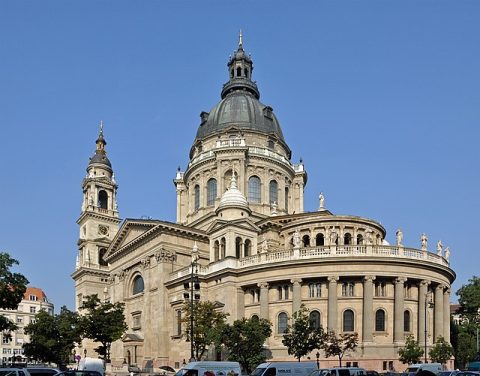
St. Stephen's Basilica
Budapest's largest Catholic church and co-tallest building (96 meters, matching the Parliament), this Neo-Renaissance masterpiece took 54 years to complete (1851-1905). Named after Stephen I, Hungary's first king, the basilica can accommodate 8,500 worshippers. The interior dazzles with marble columns, gold leaf, mosaics, and stunning frescoes by Károly Lotz. The main treasure is the mummified right hand of St. Stephen (the Holy Right), displayed in a jeweled reliquary. Climb 364 steps (or take the elevator partway) to the panoramic dome observation deck for spectacular 360-degree city views. Organ concerts are held in the basilica (check the schedule). The square in front hosts seasonal markets and events.
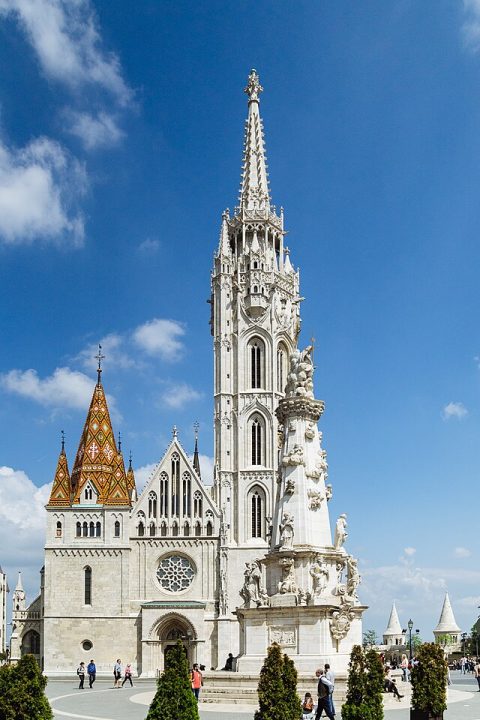
Matthias Church
This Neo-Gothic gem on Castle Hill is Budapest's most iconic church with its distinctive diamond-patterned roof tiles. Traditionally founded in 1015, it has witnessed numerous coronations, royal weddings, and historic events. The current structure dates mainly from the 19th-century restoration by architect Frigyes Schulek. The interior features extraordinary Zsolnay ceramic decorations, frescoes by Károly Lotz, and beautiful stained glass windows. King Matthias Corvinus married here twice in the 15th century, giving the church its name. During Ottoman occupation, it served as a mosque. The attached Holy Trinity Chapel contains medieval stone carvings. The church museum displays religious artifacts and the coronation replica of the Hungarian crown.
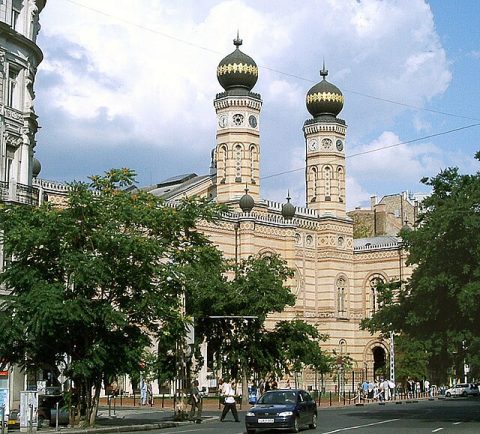
Great Synagogue (Dohány Street Synagogue)
The largest synagogue in Europe and second-largest in the world, this Moorish Revival masterpiece was completed in 1859. The twin onion domes and ornate facade reflect Byzantine, Romantic, and Moorish architectural elements. The interior seats 3,000 worshippers beneath a stunning painted ceiling and features an organ once played by Franz Liszt. The complex includes the Jewish Museum documenting Hungarian Jewish history, the Heroes' Temple memorial, and the moving Raoul Wallenberg Holocaust Memorial Park with the Tree of Life sculpture. This metal weeping willow bears the names of 400,000 Hungarian Holocaust victims. Theodor Herzl, founder of modern Zionism, was born on this site. Guided tours highly recommended.
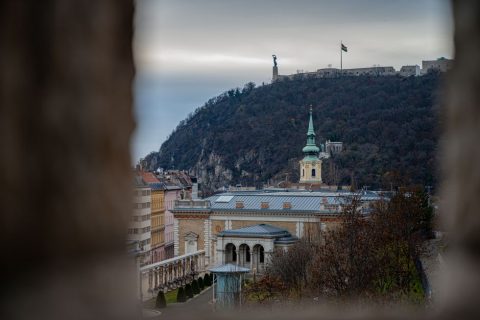
Cave Church (Gellért Hill Chapel)
This unique chapel carved into natural caves on the side of Gellért Hill was established by Pauline monks in 1926. The stark, atmospheric interior features simple stone carvings, religious relics, and a replica of the Black Madonna of Częstochowa. The monks were expelled when communists sealed the cave in 1951, imprisoning the superior in the process. It remained closed for 40 years, reopening in the early 1990s after the fall of communism. The monastery complex includes cloisters and cells built into the rock face. Masses are held daily, and the site has become an important pilgrimage destination. The location offers excellent views across the Danube, positioned directly above the Gellért Thermal Bath.
Tips for Religious Sites
- Dress Code: Modest attire required for all religious sites - shoulders and knees covered
- Great Synagogue: Security screening required; bring passport or ID for entry
- Concert Schedule: Check St. Stephen's Basilica website for organ concerts
- Combined Tickets: Save money with combo tickets for Matthias Church and Fisherman's Bastion upper level
- Photography: Flash photography generally not permitted inside churches during services