Budapest's museums house extraordinary collections spanning from ancient Roman artifacts to contemporary art. The city's cultural institutions preserve Hungarian heritage while showcasing international masterpieces in stunning architectural settings.

House of Terror Museum
This powerful museum occupies the former headquarters of the Nazi Arrow Cross Party and later the communist secret police (ÁVH). The building's facade features a striking metal canopy that casts the word 'TERROR' in shadow. Inside, three floors document the horrors of both fascist and communist regimes in Hungary through multimedia exhibits, personal testimonies, and reconstructed torture chambers in the basement. The exhibition covers the 1944 German occupation, the 1956 revolution, and life behind the Iron Curtain. The visceral displays include a Soviet tank, propaganda posters, and the Hall of Tears memorial. Emotionally intense but essential for understanding 20th-century Hungarian history.
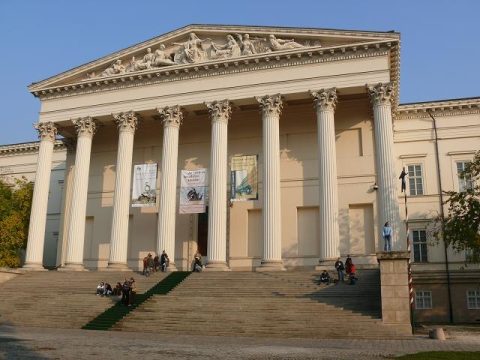
Hungarian National Museum
Founded in 1802, this is Hungary's oldest public museum and the birthplace of the 1848 Revolution when Sándor Petőfi recited his National Song on its steps. The neoclassical building houses over one million artifacts chronicling Hungarian history from prehistoric times to the fall of communism. Highlights include The museum holds the coronation mantle commissioned in 1031; its exhibition room is subject to renovation closures, so check the museum’s current visitor information, medieval weapons, Ottoman-era artifacts, and the reconstructed throne room. The permanent exhibition 'Hungarian History from the Foundation of the State to 1990' provides comprehensive context for understanding modern Hungary. The building itself is architecturally significant with its grand columned entrance and beautiful interior dome.
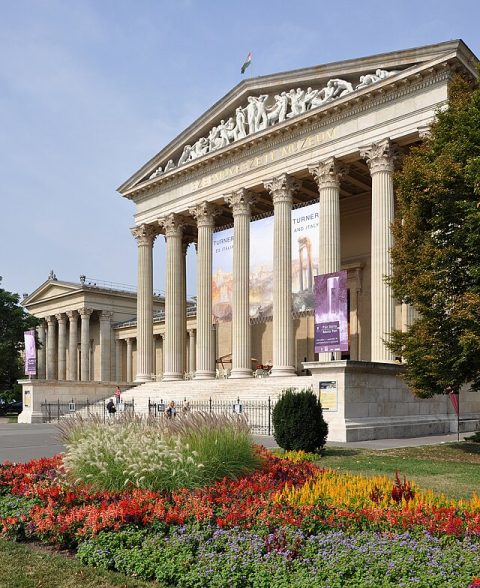
Museum of Fine Arts
Located on Heroes' Square, this museum houses Hungary's most important collection of international art with over 100,000 works. The collection spans ancient Egyptian artifacts to 20th-century masterpieces. Highlights include one of the world's finest collections of Spanish Old Masters with works by El Greco, Velázquez, and Goya. The Italian Renaissance gallery features works by Raphael and Titian. There are also significant French Impressionist works, German and Dutch Old Masters, and a vast graphic arts collection. The building has been renovated in stages, so check which galleries are open. Special exhibitions regularly feature international touring shows.
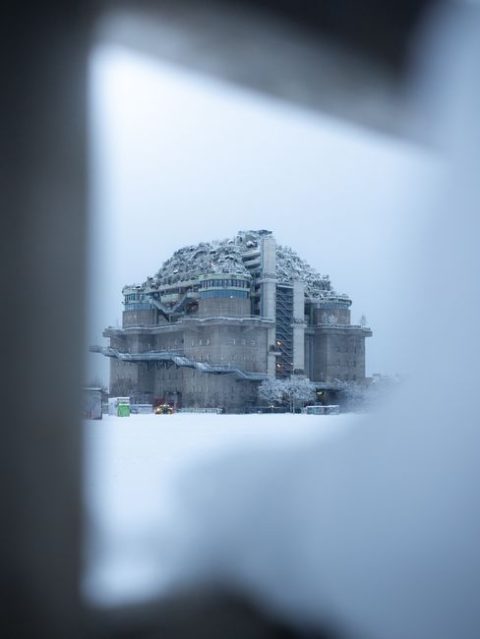
Hospital in the Rock Nuclear Bunker Museum
This fascinating underground museum beneath Castle Hill reveals a secret hospital and nuclear bunker from WWII and the Cold War. Originally a natural cave system, it was converted into an emergency hospital during the 1944 Siege of Budapest, treating thousands of wounded soldiers and civilians. During the 1956 Revolution, it again served as a medical facility. In the Cold War era, it was upgraded as a nuclear bunker capable of protecting 300 people. The guided tour takes visitors through authentic operating rooms with vintage equipment, decontamination chambers, and Cold War-era facilities. Wax figures and audio effects create an immersive, sometimes eerie experience. Advance booking required.
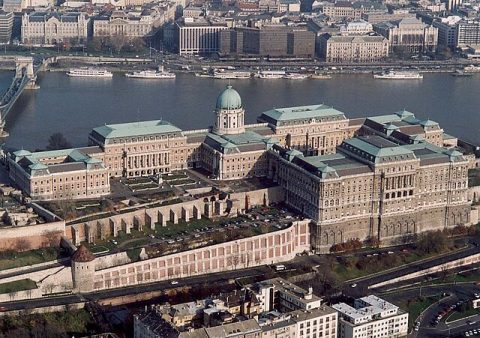
Hungarian National Gallery
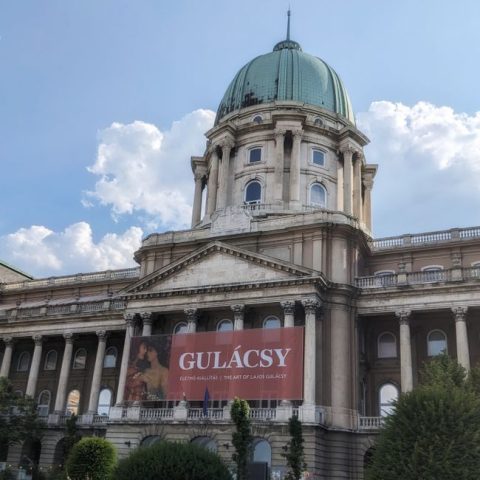
Occupying most of Buda Castle, this is the largest public collection of Hungarian art from medieval times to contemporary works. The museum showcases the development of Hungarian fine arts across four buildings within the palace complex. Medieval and Renaissance stone carvings and altarpieces occupy the Gothic halls. The 19th-century collection features Romantic and Realist paintings documenting Hungarian history. The crown jewel is the extensive collection of Hungarian Impressionist and Art Nouveau works. Don't miss the stunning Baroque-era frescoes and the 20th-century avant-garde section. The building itself offers spectacular views from its terraces and courtyards.
Ludwig Museum (Museum of Contemporary Art)
Hungary's premier contemporary art museum located in the Palace of Arts in the modern Millennium City Center. Named after German collectors Peter and Irene Ludwig, the museum houses one of Central Europe's most important collections of international and Hungarian contemporary art from 1960 onwards. The collection includes Pop Art, Photorealism, Hyperrealism, and works by Andy Warhol, Roy Lichtenstein, and Pablo Picasso. The Hungarian collection features avant-garde and conceptual works that flourished despite communist censorship. Rotating exhibitions showcase emerging artists and international trends. The museum also hosts film screenings, lectures, and performances in its modern, purpose-built space.
Tips for Museums & Galleries
- Museum Pass: Consider the Budapest Card for free entry to many museums and public transport
- Free Days: Some museums offer free admission on national holidays - check individual websites
- Crowds: Visit House of Terror early in the day or late afternoon to avoid tour groups
- Audio Guides: Most major museums offer English audio guides - highly recommended for context
- Underground Museum: Hospital in the Rock requires advance booking and is not suitable for claustrophobic visitors