Budapest's grand squares and elegant boulevards reflect Austro-Hungarian imperial planning and modern urban vitality. From shopping promenades to historic gathering places, these public spaces pulse with daily life.
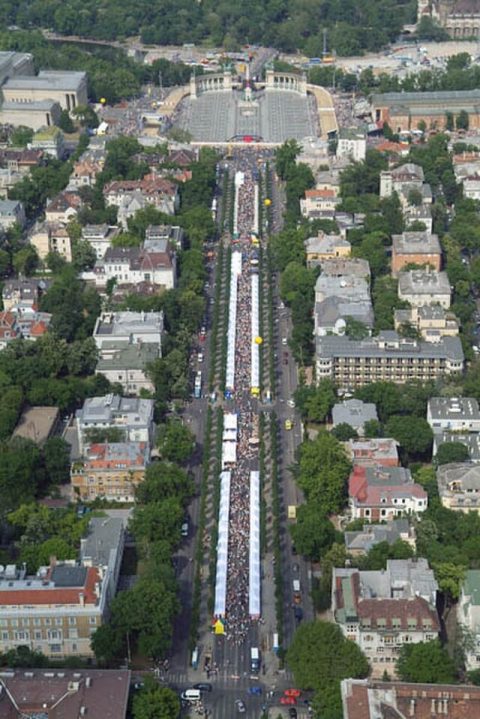
Andrássy Avenue
This magnificent UNESCO World Heritage boulevard stretches 2.3km from the city center to City Park, lined with Neo-Renaissance mansions, luxury boutiques, and cultural institutions. Completed in 1885, it was modeled on Paris's Champs-Élysées. The avenue features the Hungarian State Opera House, the House of Terror Museum, several theaters, and elegant cafés. Beautiful plane trees provide shade over wide sidewalks. Below runs Europe's second-oldest metro line (M1), also UNESCO-listed, with original 19th-century stations. The architecture progresses from commercial buildings near downtown to palatial residences approaching Heroes' Square. Window shopping reveals high-end fashion, antiques, and art galleries. The Coffee houses along the route offer perfect rest stops. Walking the entire length takes about 30 minutes.
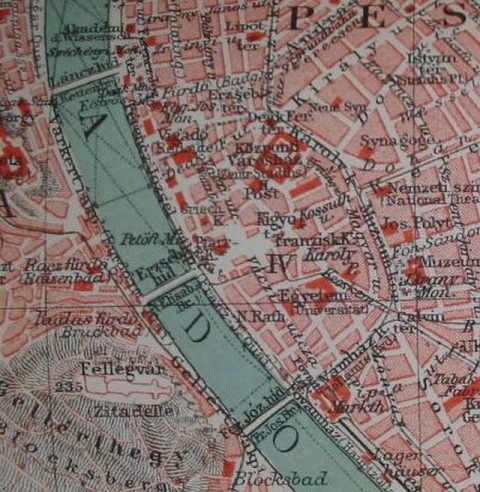
Danube Promenade (Dunakorzó)
This romantic riverside walkway along the Pest side of the Danube offers stunning views of Buda Castle, Chain Bridge, and the illuminated bridges. Stretching from Chain Bridge to Elizabeth Bridge, the promenade features benches, street lamps, and the poignant Shoes on the Danube Bank memorial - 60 pairs of iron shoes honoring Jews shot here during WWII. The walkway is perfect for sunset strolls when the castle and bridges are illuminated. River cruise boats depart from nearby piers. Historic buildings line the opposite side, housing hotels and restaurants with terraces. Street musicians and artists add atmosphere. The promenade connects to Vörösmarty Square and provides access to various bridges. Evening visits offer magical city views reflected in the water.
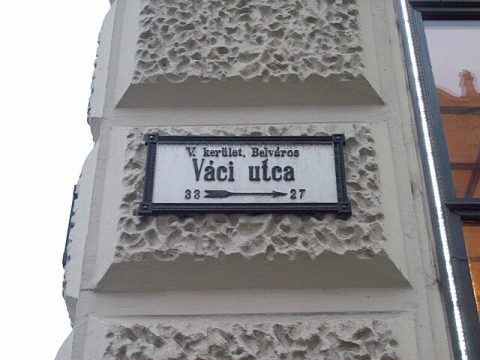
Váci Street (Váci utca)
Budapest's most famous pedestrian shopping street runs parallel to the Danube through downtown Pest. The northern section near Vörösmarty Square features international brands, souvenir shops, restaurants, and ice cream parlors in beautiful 19th-century buildings. While touristy, it's a must-see for first-time visitors. The southern portion beyond Ferenciek tere becomes more local with traditional shops and fewer crowds. Street performers entertain throughout the day. The architecture includes Art Nouveau and eclectic styles with ornate facades. Side streets branch off to local markets and authentic eateries. The area transforms in December with the Christmas market. While convenient, prices tend to be higher than elsewhere; explore parallel streets for better value and authentic local atmosphere.
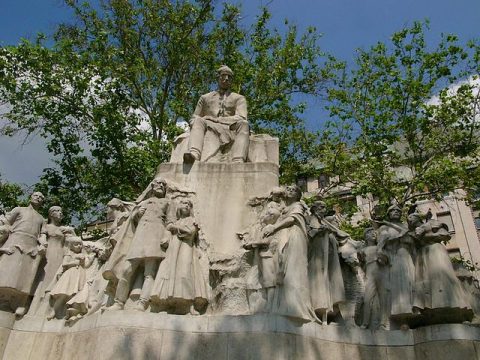
Vörösmarty Square
This elegant pedestrian square in the heart of Pest is named after the 19th-century poet Mihály Vörösmarty, whose statue stands at the center. The square is dominated by the magnificent Gerbeaud Café, Budapest's most famous coffeehouse since 1858, serving legendary cakes and pastries. Beautiful 19th-century buildings surround the plaza, which serves as the northern terminus of Váci Street. The square hosts Budapest's premier Christmas Market from mid-November through January, featuring handicrafts, mulled wine, and traditional foods. In summer, outdoor café terraces fill with visitors. The Danube Promenade is just steps away. High-end hotels and luxury shops occupy the surrounding area. A popular meeting point and starting place for city exploration.
Tips for Squares & Streets
- Photos: Danube Promenade is best photographed from Buda side at sunset for iconic Parliament views
- Metro: Take the historic M1 yellow metro under Andrássy Avenue - it's an attraction itself
- Christmas Market: Vörösmarty Square market runs mid-November to early January - bring cash
- Shopping: Váci Street is convenient but overpriced; better shopping on Király Street or Fashion Street
- Memorial: The Shoes on the Danube Bank is deeply moving - allow quiet reflection time