Beneath Barcelona's modern surface lie 2,000 years of history from Roman foundations to medieval walls. Archaeological sites and historic buildings reveal the city's evolution from Barcino, a small Roman colony, to a major Mediterranean power.
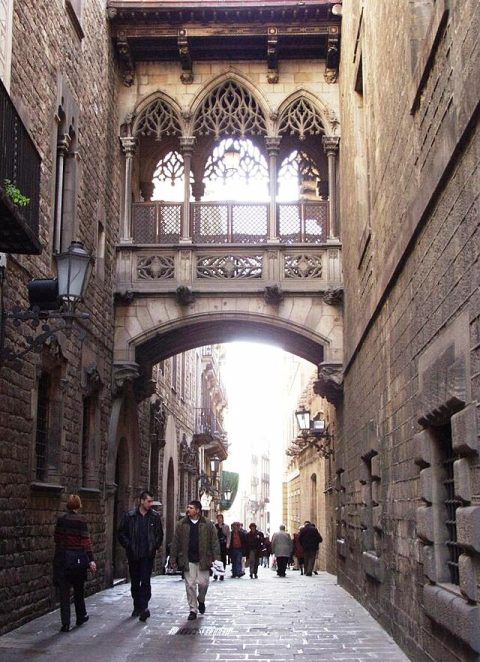
Gothic Quarter (Barri Gòtic)
The atmospheric heart of Barcelona, where narrow medieval streets wind between Gothic palaces, hidden squares, and remnants of Roman walls. Once the Roman city of Barcino, layers of history overlap here Roman columns incorporated into medieval buildings, Gothic arches spanning alleys, and Renaissance façades. Highlights include the Plaça del Rei with its medieval royal palace, the Roman temple columns on Carrer del Paradís, and the ancient city walls. Getting lost is part of the charm; discover tucked-away boutiques, traditional taverns, and quiet courtyards. The quarter pulses with street performers, cafés, and galleries. Free walking tours illuminate hidden details and fascinating stories.
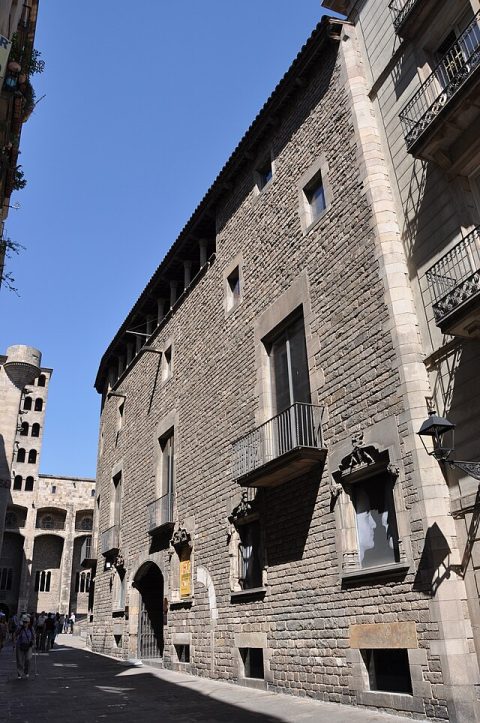
MUHBA (Barcelona History Museum)
Located in the Gothic Quarter, this museum offers an extraordinary underground journey through 2,000 years of Barcelona's history. Descend beneath Plaça del Rei to explore remarkably preserved Roman ruins including streets, houses, a laundry, wine-making facilities, and early Christian basilica remains. Walk on elevated platforms over authentic archaeological excavations showing daily life in ancient Barcino. Above ground, explore the medieval royal palace with its impressive Saló del Tinell hall where Columbus reported to the Catholic Monarchs. The museum's multiple sites across the city create a comprehensive historical narrative. Essential for understanding Barcelona's evolution from Roman outpost to modern metropolis.
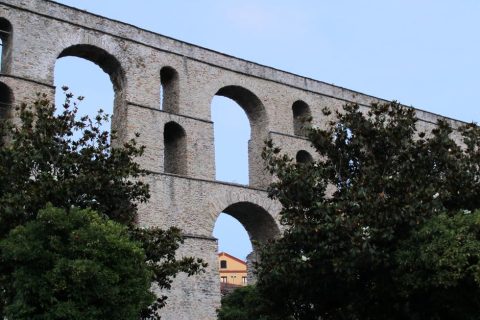
Roman Walls & Aqueduct
Substantial sections of Barcelona's 3rd-century Roman defensive walls survive, particularly around the cathedral and Plaça Nova. These imposing stone fortifications once protected the colony of Barcino, measuring about 1.3 km in circumference with dozens of towers. The walls reached 9 meters high and 3.5 meters thick. The best-preserved section runs along Avinguda de la Catedral where you can see original stonework and defensive towers. Near Plaça Nova, two circular Roman towers flank the entrance to the old city. Original Roman aqueduct arches survive on Carrer de Duran i Bas in the city centre, you can see remains on the outskirts, showing how Romans engineered water supply systems. Free to view and photograph anytime.
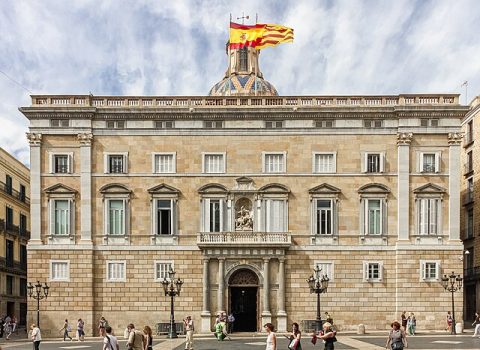
Palau de la Generalitat
The seat of Catalonia's government since the 15th century, this Gothic palace represents Catalan political identity and institutional continuity. The elegant façade combines Gothic and Renaissance elements, while the interior features the stunning Pati dels Tarongers (Orange Tree Courtyard), the Gothic Chapel of Sant Jordi with golden vaulting, and the ceremonial Saló de Sant Jordi decorated with murals. The building embodies centuries of Catalan self-governance and cultural pride. Limited guided tours available on specific days (book well in advance), or visit on Sant Jordi's Day (April 23) when it opens to the public with special activities and performances.
Tips for Ancient & Historical Sites
- Wear comfortable walking shoes for exploring cobblestone streets and ruins
- Free walking tours of the Gothic Quarter provide excellent historical context
- Visit Roman sites early morning for atmospheric lighting and fewer crowds
- Combine MUHBA ticket with other historic sites for comprehensive understanding
- Look up many buildings hide medieval details in upper floors