Barcelona's museum scene spans from Picasso's formative years to contemporary art and Catalan history. World-class collections occupy stunning buildings, from medieval palaces to modern architectural statements, offering profound insights into art, culture, and the city's evolution.
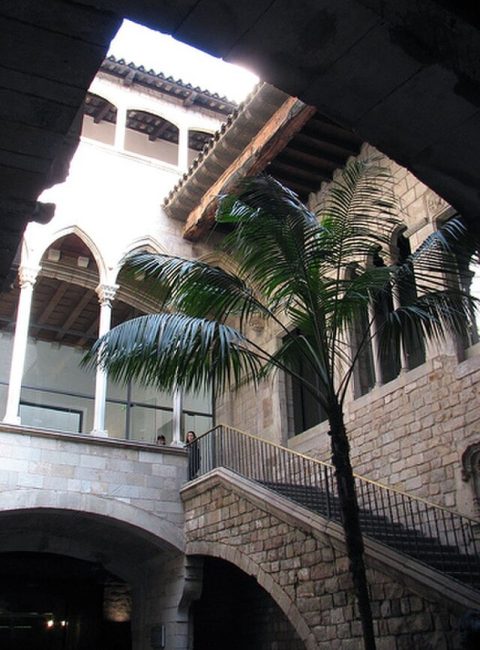
Museu Picasso
Housed in five medieval palaces in El Born, this museum contains one of the world's most extensive Picasso collections, focusing on his formative years in Barcelona. Over 4,200 works trace his artistic evolution from childhood drawings to Blue Period masterpieces and his revolutionary Las Meninas series. The intimate setting reveals Picasso's deep connection to Barcelona, where he spent crucial developmental years. Temporary exhibitions explore specific periods or themes. The medieval courtyards and Gothic architecture create a beautiful setting for viewing groundbreaking 20th-century art. Reserve tickets to avoid long queues, especially on free-entry days.
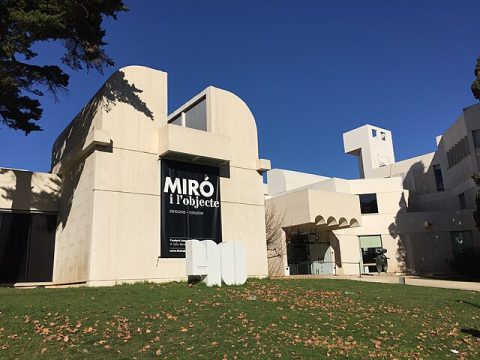
Fundació Joan Miró
Perched on Montjuïc hill, this stunning modernist building designed by Josep Lluís Sert houses the world's largest collection of works by Joan Miró. The sun-flooded galleries showcase paintings, sculptures, textiles, and ceramics spanning Miró's entire career, from early Catalan landscapes to his iconic surrealist language of symbols. The outdoor sculpture garden and rooftop terrace offer spectacular city and sea views. Temporary exhibitions feature contemporary artists in dialogue with Miró's legacy. The building's Mediterranean architecture with white walls and natural light creates perfect conditions for experiencing Miró's colorful universe.
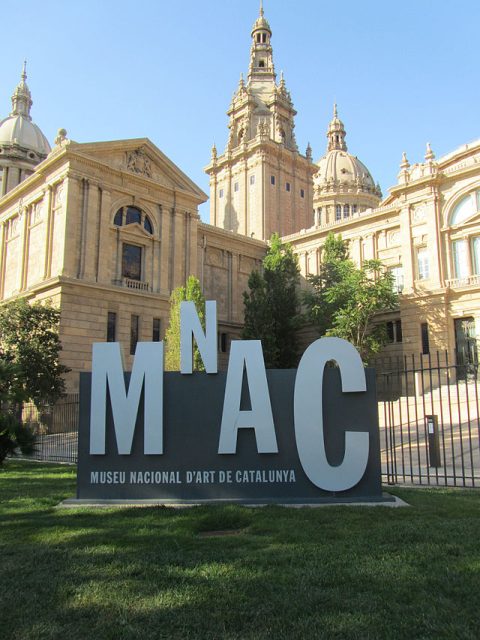
MNAC (National Art Museum of Catalonia)
Located in the majestic National Palace atop Montjuïc, MNAC houses an unparalleled collection of Catalan art spanning 1,000 years. The Romanesque collection, featuring spectacular frescoes rescued from Pyrenean churches, is considered one of the world's finest. Gothic altarpieces, Renaissance and Baroque masterpieces, and exceptional Modernist works by Gaudí, Casas, and Rusiñol trace Catalan artistic development. The building itself, with its grand ceremonial halls and rooftop viewpoint overlooking the Magic Fountain, enhances the experience. Plan several hours to explore this comprehensive survey of Catalan visual culture.
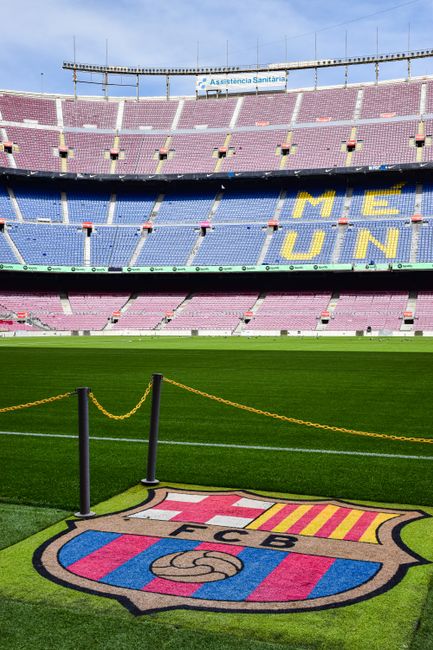
FC Barcelona Museum
Located at the iconic Camp Nou stadium, this museum celebrates one of the world's most successful football clubs. Interactive displays showcase legendary players from Cruyff to Messi, historic trophies including multiple Champions League cups, and multimedia experiences bringing famous matches to life. The trophy room glitters with silverware from decades of dominance. Tours include access to the pitch, press room, and player tunnel, offering insider views of football culture. For fans, it's a pilgrimage; for others, it provides fascinating insights into sport's cultural significance in Barcelona. Choose the specific ticket: the Spotify Camp Nou Experience includes the museum and panoramic stadium views; pitch and press-room access require the separate Match Day Tour.
MACBA (Barcelona Museum of Contemporary Art)
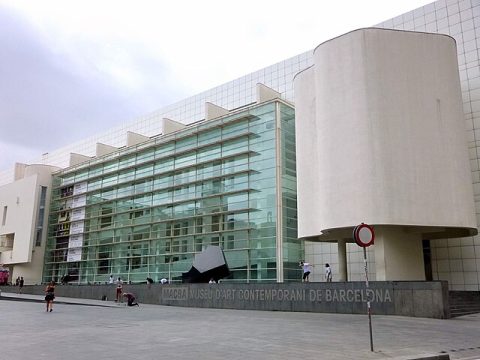
Richard Meier's brilliant white modernist building houses an important collection of contemporary art from the mid-20th century onward. The bright, open galleries showcase Catalan, Spanish, and international artists working in various media, with strong representations of conceptual art, photography, and video installations. The museum's commitment to experimental work makes each visit fresh and thought-provoking. The Plaça dels Àngels outside has become a famous skateboarding hotspot, adding vibrant street culture to the high-art experience. Located in the trendy Raval neighborhood, it's perfect for combining with exploring alternative Barcelona.
CosmoCaixa
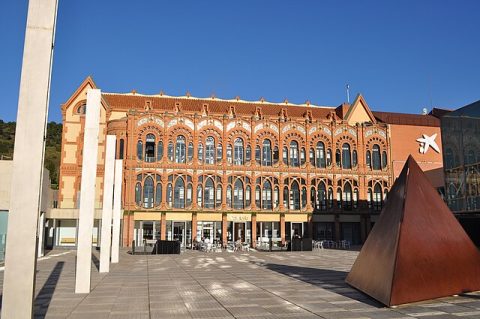
This outstanding science museum makes learning interactive and engaging for all ages. Highlights include a recreated slice of Amazonian rainforest complete with living plants, animals, and daily rainstorms; fascinating physics experiments; and a geological wall displaying Earth's layered history. The planetarium offers immersive cosmic journeys while temporary exhibitions explore cutting-edge scientific topics. Particularly excellent for families, hands-on activities help children understand complex concepts through play. The modernist building adds architectural interest. Located in the residential Sarrià-Sant Gervasi district, it offers an educational escape from tourist crowds.
Tips for Museums & Galleries
- Many museums offer free entry on first Sundays or specific evenings-check individual websites
- The Articket BCN pass covers six major museums with significant savings
- Museums are generally quieter on weekday mornings
- Most museums close on Mondays, so plan accordingly
- Audio guides and guided tours provide valuable context for understanding collections