Each Barcelona neighborhood possesses distinct character, from the medieval Gothic Quarter to bohemian Gràcia and the beach-lined Barceloneta. Exploring different barris reveals the city's diversity, local life, and authentic atmosphere beyond tourist hotspots.
El Born
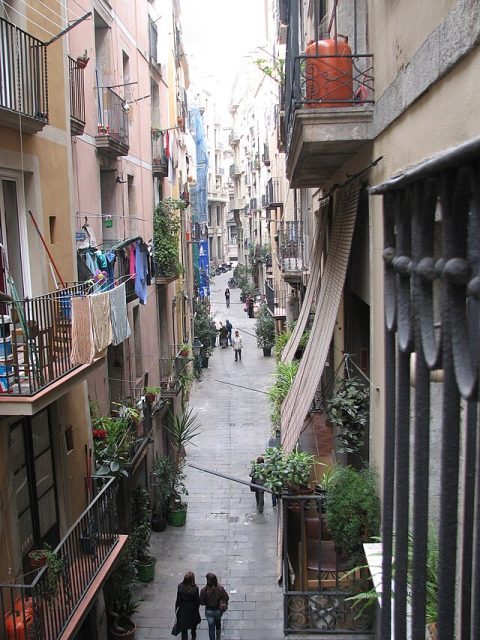
Once the medieval commercial center, El Born is now Barcelona's trendiest neighborhood, balancing historical charm with contemporary cool. Narrow medieval streets house boutique fashion, artisan workshops, wine bars, and innovative restaurants. The Passeig del Born promenade buzzes with outdoor dining and nightlife. Key sites include Santa Maria del Mar basilica and the Born Cultural Centre with excavated ruins showing 18th-century life. Former warehouses converted into galleries and shops demonstrate creative urban renewal. The neighborhood epitomizes Barcelona's ability to honor history while embracing modernity. Perfect for shopping, dining, and evening socializing in an authentic yet cosmopolitan Barcelona setting.
Gràcia
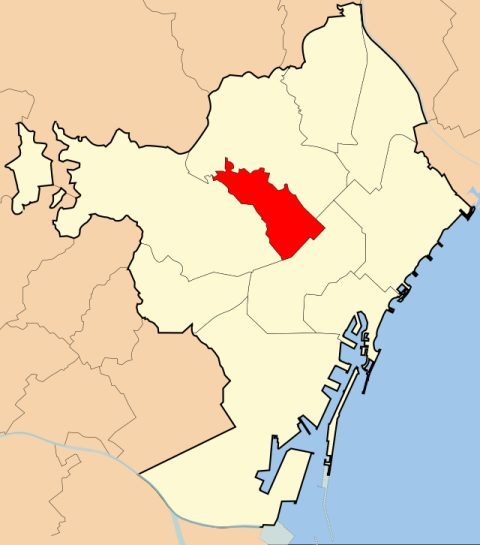
This former independent village maintains distinct identity and bohemian spirit. Tree-lined streets, charming squares, and low-rise buildings create an intimate, village-like atmosphere. Plaça del Sol, Plaça de la Virreina, and other squares function as neighborhood living rooms where locals gather. Independent boutiques, vintage shops, and family-run restaurants outnumber chains. The neighborhood hosts the famous Festa Major de Gràcia in August when residents decorate entire streets in elaborate themes. Gràcia attracts artists, intellectuals, and alternative culture. Park Güell sits at its northern edge. Visit to experience Barcelona as locals live it relaxed, creative, and community-oriented without tourist crowds.
Barceloneta
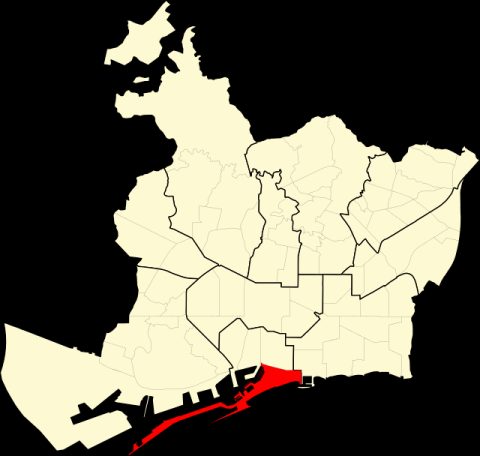
Barcelona's historic fishing neighborhood has evolved into the city's beach and seafood headquarters. The triangular district features grid-pattern streets lined with narrow houses where fishing families once lived. While modernized, it retains maritime character with seafood restaurants, beach bars, and waterfront atmosphere. The long sandy beach provides sunbathing, swimming, and watersports. The bustling market sells fresh catch daily. Barceloneta represents Barcelona's transformation from industrial port to Mediterranean leisure destination. Evenings bring lively beach bar scene, especially around Port Olímpic. Perfect for combining urban culture with beach relaxation. Walk the waterfront promenade to Port Vell.
Eixample
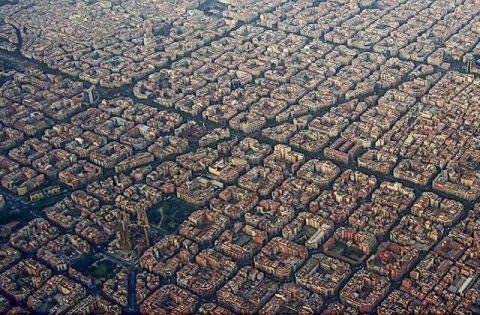
The 19th-century extension transformed Barcelona with its revolutionary grid plan of octagonal blocks and chamfered corners. Designed by Ildefons Cerdà, the district showcases modernist architecture concentrated along Passeig de Gràcia. Wide avenues, elegant apartment buildings, and sophisticated shopping define the area. The Quadrat d'Or (Golden Square) contains the highest density of modernist masterpieces. Eixample epitomizes bourgeois Barcelona's ambition and wealth. The neighborhood divides into Eixample Esquerra (left) and Dreta (right), each with distinct character. The Gaixample subsection is Barcelona's LGBT hub. Excellent for architecture appreciation, upscale dining, and understanding Barcelona's urban planning innovation.
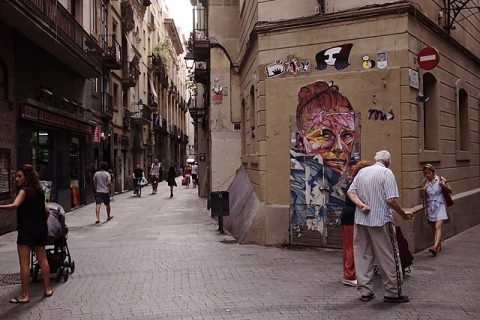
El Raval
Once notorious, El Raval has transformed into Barcelona's multicultural creative hub. The neighborhood west of La Rambla mixes Middle Eastern shops, vintage stores, contemporary art venues (MACBA and CCCB), and cutting-edge dining. The diverse population from North Africa, South Asia, and beyond creates vibrant street life and authentic ethnic cuisine. Former brothels and rough bars have given way to trendy cocktail lounges and galleries, though grittier edges remain. La Rambla del Raval provides a local alternative to touristy La Rambla. The neighborhood embodies Barcelona's diversity and urban regeneration. Edgy yet safe, it offers authentic experiences away from postcard Barcelona.
Tips for Neighborhoods & Districts
- Each neighborhood rewards aimless wandering get deliberately lost to discover hidden gems
- Visit neighborhoods at different times: mornings for markets, evenings for dining and nightlife
- El Born and Gràcia offer the most authentic local experiences with fewer tourists
- Ask locals for restaurant recommendations neighborhood spots often outshine tourist-oriented venues
- Attend neighborhood festivals like Festa Major de Gràcia for genuine cultural immersion