Barcelona's parks provide green escapes from urban intensity, ranging from the modernist fantasy of Park Güell to Mediterranean gardens and Montjuïc's hillside expanse. These spaces offer recreation, art, spectacular views, and peaceful respite.
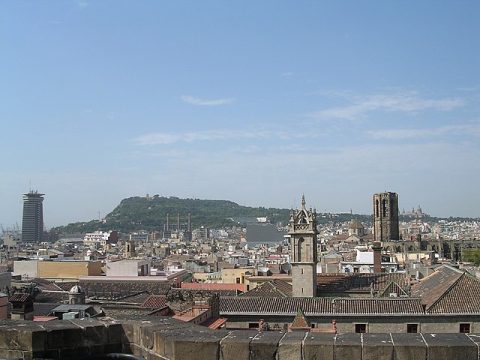
Montjuïc
This large hill overlooking the port combines parks, museums, Olympic facilities, and historic fortifications. The 1992 Olympics transformed Montjuïc, leaving world-class sports venues and infrastructure. Key attractions include the Magic Fountain with evening light shows, MNAC museum in the National Palace, Joan Miró Foundation, Olympic Stadium, Botanic Garden, and hilltop Montjuïc Castle with panoramic views. Cable cars provide scenic ascents. Extensive gardens include Mediterranean plants, cacti collections, and sculpture displays. The mountain offers hiking trails, cultural venues, and escape from city heat. Multiple access points via funicular, cable car, or walking paths. Plan a full day to explore thoroughly, or visit specific sites as part of broader itineraries.
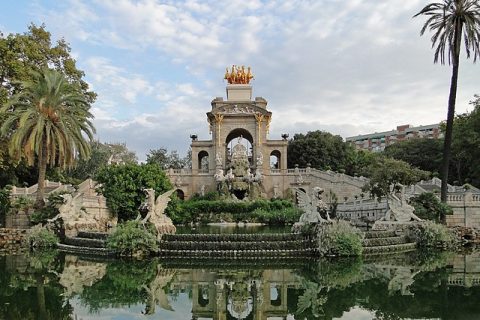
Parc de la Ciutadella
Barcelona's most central large park occupies the site of a demolished military citadel, symbolizing the city's liberation from oppression. The 19th-century park features romantic landscapes, a monumental cascade fountain (partly designed by young Gaudí), a boating lake, and wide promenades. The Catalan Parliament occupies the former arsenal building. The park houses Barcelona Zoo, the Three Dragons Castle (Modernist building), and several museums. Palm trees, sculptures, and shaded paths create Mediterranean atmosphere. Popular with families, joggers, and picnickers, it provides essential green space in the dense old city. The Arc de Triomf forms the ceremonial entrance. Perfect for relaxation between sightseeing.
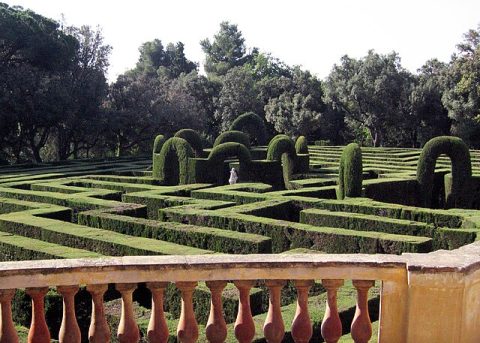
Parc del Laberint d'Horta
Barcelona's oldest surviving garden features a neoclassical design with romantic elements. The centerpiece is an 18th-century hedge maze The hedge maze is closed for restoration, with reopening expected in March 2027; the remaining park can still be visited. Terraced gardens include Italian-style parterres, waterfalls, pavilions, and sculptures inspired by classical mythology. The romantic garden section contrasts with the formal neoclassical design, creating diverse landscapes. Located in the Horta neighborhood away from tourist areas, it offers tranquil escape. The relatively small size makes it manageable while the mature trees and established plantings create timeless atmosphere. Limited daily visitors preserve peaceful ambiance. Perfect for garden enthusiasts and families with children who enjoy the maze challenge.
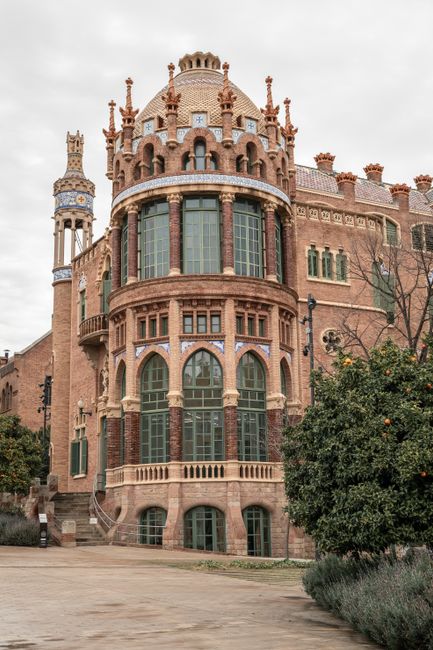
Jardins de Mossèn Costa i Llobera
These spectacular cactus and succulent gardens on Montjuïc's seaward slopes contain one of Europe's finest collections of desert plants. Over 800 species from the Americas, Africa, and elsewhere thrive in Barcelona's Mediterranean climate. Mature specimens include impressive towering cacti and unusual succulents in landscape settings with Mediterranean Sea views. The steep hillside location provides dramatic perspectives and excellent photography opportunities. The specialized collection appeals to botanists and casual visitors alike. Free entry and relatively few visitors make it an underrated gem. Visit during flowering season (spring-summer) or sunset for magical golden light. Combine with other Montjuïc attractions for comprehensive exploration.
Tips for Parks & Gardens
- Parks are free and always open, making them budget-friendly breaks from paid attractions
- Bring picnic supplies from markets for authentic local experience
- Early mornings offer peaceful atmosphere and good light for photography
- Montjuïc requires good walking shoes due to hills and distances
- Free outdoor events, concerts, and cinema screenings often occur in parks during summer