Barcelona's skyline is defined by the genius of Antoni Gaudí and centuries of architectural innovation. From the iconic Sagrada Família to modernist masterpieces, these landmarks represent the city's unique cultural identity and artistic heritage.
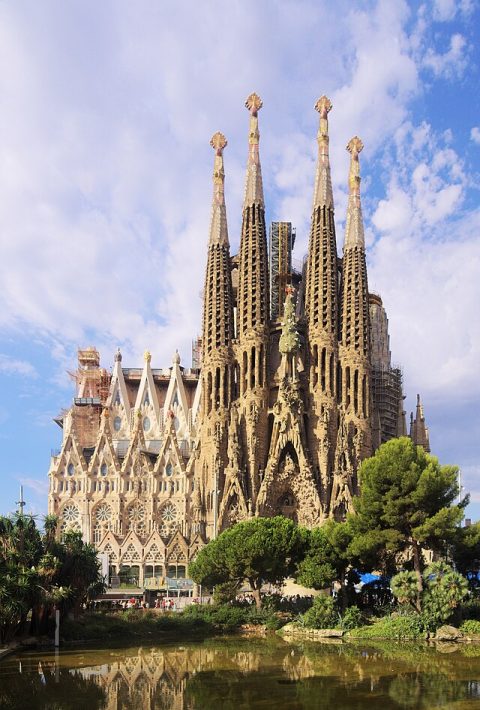
Sagrada Família
Gaudí's magnum opus and Barcelona's most iconic symbol, this breathtaking basilica has been under construction since 1882. The soaring towers reach toward heaven while the interior resembles a stone forest bathed in kaleidoscopic light from spectacular stained glass windows. The Nativity and Passion façades tell biblical stories through intricate sculptures. The tower of Jesus Christ is completed and blessed; other construction continues, with the rest of the building finishing later, and it's a living testament to architectural ambition. Book tickets online to skip massive queues, and consider the tower access for panoramic city views.
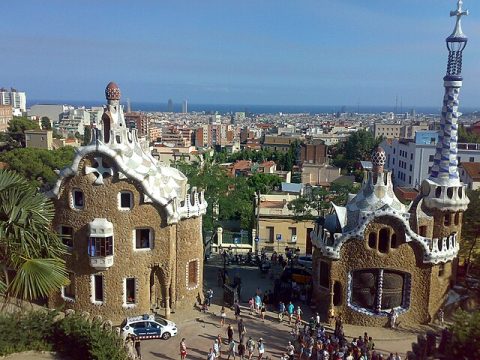
Park Güell
This whimsical public park showcases Gaudí's playful genius with colorful mosaic-covered structures, serpentine benches, and fantastical architecture. Originally conceived as a housing development, it became one of Barcelona's most beloved spaces. The iconic mosaic salamander (El Drac) guards the entrance stairway, while the Hypostyle Room features 86 Doric columns. Tourist access is regulated throughout the park and requires a ticket; eligible residents have free-access arrangements. Visit early morning for best photos and fewer crowds. The elevated location offers stunning panoramic views over Barcelona.
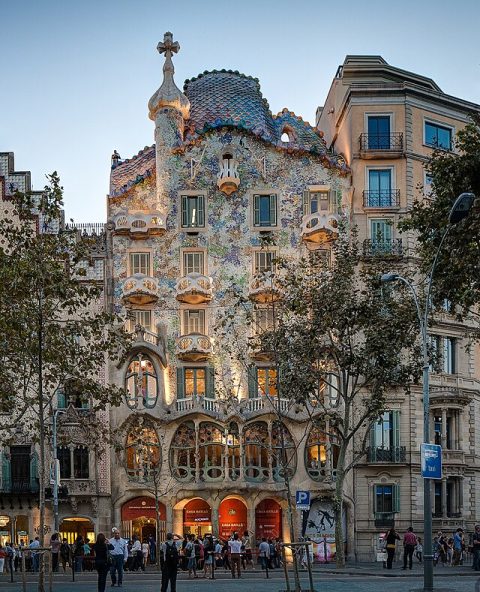
Casa Batlló
A masterpiece of biomorphic architecture, this remodeled building features undulating façades, skeletal balconies, and a dragon-scale roof representing Saint George's legend. Inside, flowing forms, marine-inspired details, and innovative light wells showcase Gaudí's nature-obsessed genius. The Nobel Floor displays the family's former residence with period furniture. Modern augmented reality tours bring Gaudí's vision to life, showing the building as he imagined it. Evening visits include a magical rooftop experience with music and projections. Every detail, from doorknobs to chimneys, demonstrates total design integration.
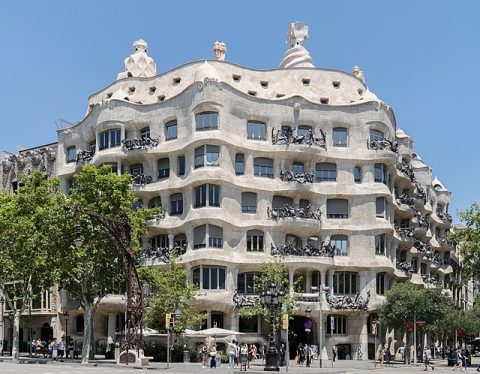
Casa Milà (La Pedrera)
Known as La Pedrera (The Stone Quarry), this revolutionary building features an undulating stone façade with wrought-iron balconies resembling seaweed. The roof terrace is a surreal landscape of warrior-like chimneys and ventilation towers offering 360-degree city views. Inside, explore a recreated early 20th-century apartment and the Espai Gaudí in the attic, explaining his architectural techniques. The building eliminated load-bearing walls, creating flexible interior spaces revolutionary for its time. Evening visits feature an enchanting audiovisual show. Gaudí's last civil architectural work remains deeply influential.
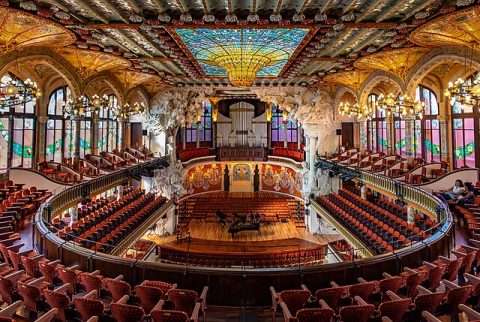
Palau de la Música Catalana
This UNESCO World Heritage concert hall represents the pinnacle of Catalan Modernisme. Designed by Lluís Domènech i Montaner, its interior explodes with color, mosaics, stained glass, and sculptural details. The spectacular skylight resembles an inverted bell of colorful glass. Sculptures represent musical traditions while ceramic flowers and architectural details create overwhelming beauty. Guided tours reveal hidden details, but attending a live concert offers the most magical experience. The building itself seems to sing with decorative exuberance, making it one of Europe's most beautiful performance venues.
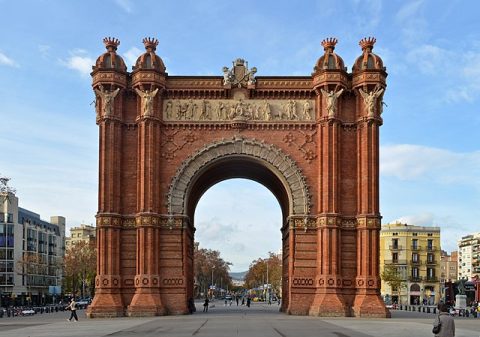
Arc de Triomf
Built as the main entrance for the 1888 Barcelona World Fair, this red-brick triumphal arch showcases intricate Moorish-inspired details and sculptural decorations. Unlike traditional stone arches, its warm brick construction gives it a distinctive character. Friezes depict Barcelona welcoming international visitors while decorative ceramic shields represent Spanish provinces. The surrounding promenade leads to Parc de la Ciutadella, making it a popular photo spot and meeting point. Free to admire and photograph, it represents Barcelona's emergence as a modern European city.
Tips for Landmarks & Monuments
- Book tickets online weeks in advance for Sagrada Família, Park Güell, and Casa Batlló to guarantee entry
- Combo tickets covering multiple Gaudí sites offer significant savings
- Visit early morning or late afternoon to avoid peak crowds and harsh midday light for photos
- Dress modestly for Sagrada Família (At Sagrada Família, trousers and skirts must reach at least mid-thigh; bare shoulders are prohibited in the Chapel of the Holy Sacrament.)
- Download audio guides or apps beforehand to enhance your understanding of architectural details